
The 7 Construction Milestones Every Project Should Document
And why missing even one can cost time, money, and trust.
In construction, progress happens fast — and then it gets covered up.
Concrete gets poured. Walls close in. Systems disappear behind drywall.
If it wasn’t documented, it might as well not exist.
That’s why the most organized builders, owners, and project managers don’t just take photos, they document specific milestones at the moments that matter most.
Here are the seven construction milestones every project should systematically document and why each one protects your schedule, your budget, and your reputation.
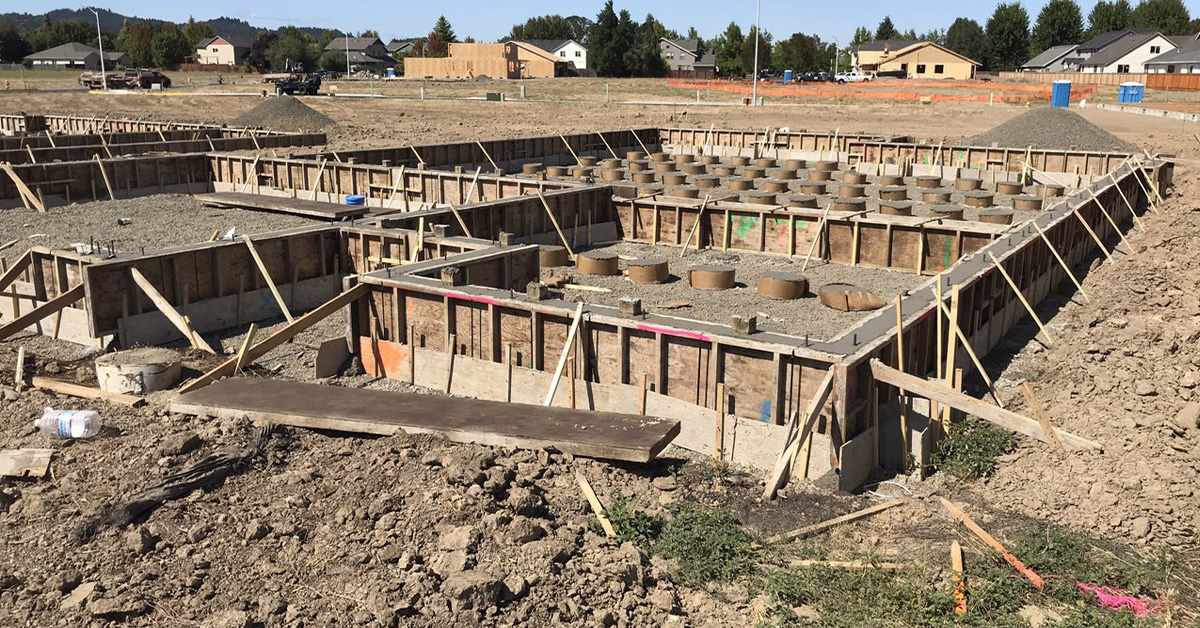
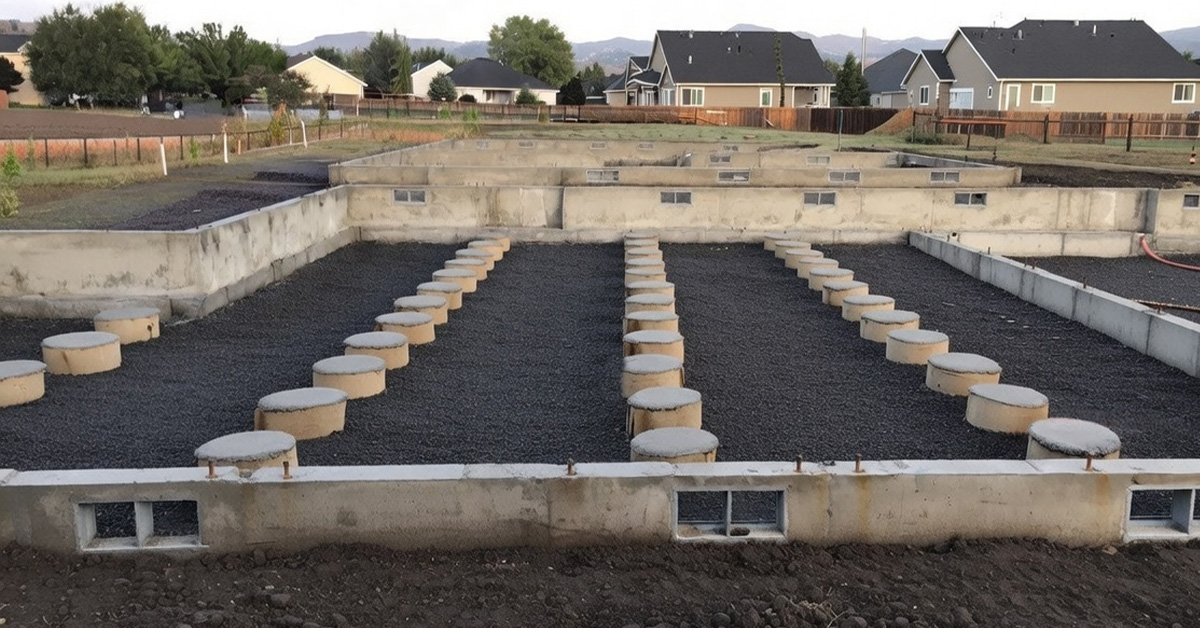
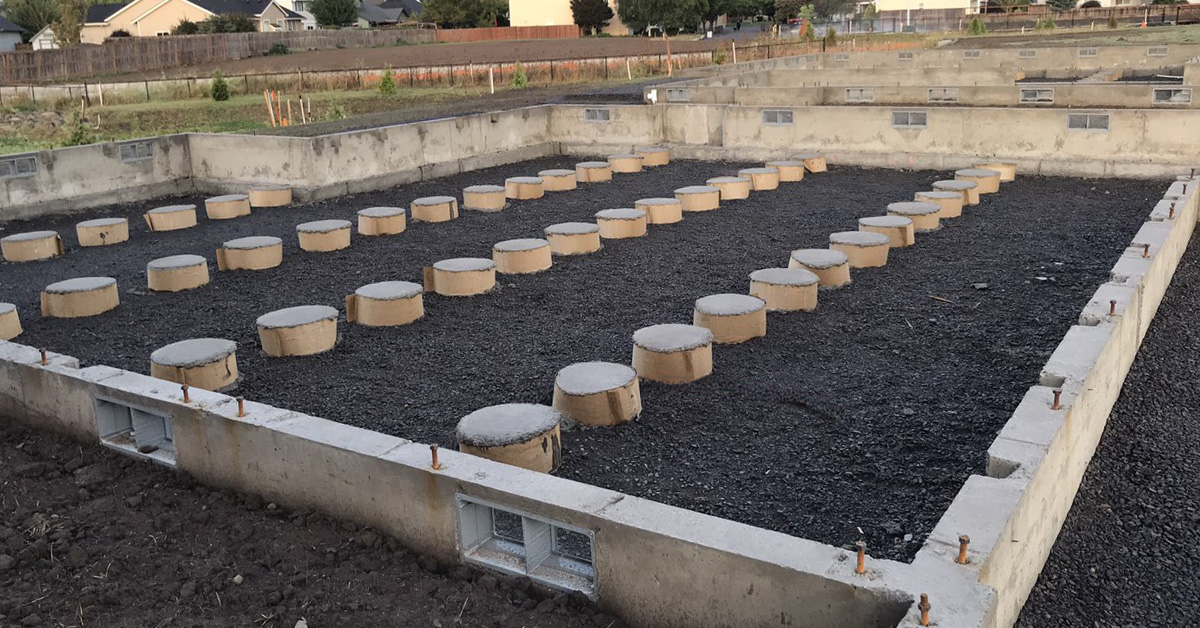
1. Foundation & Footings
Why it matters:
Everything sits on this. If there’s ever a structural question, this is where people go back.
What to capture:
- Footing layout and depth
- Rebar placement
- Anchor bolts and hold-downs
- Under-slab plumbing and conduits
Risk of skipping it:
You can’t verify what’s under the concrete once it’s poured.
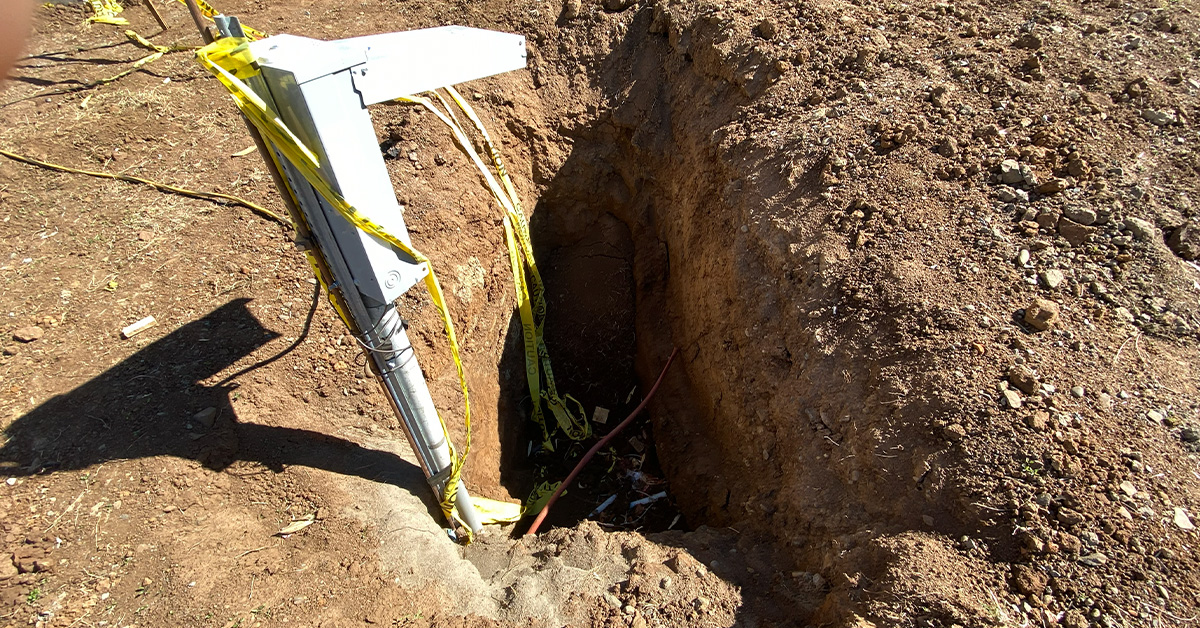
2. Underground Utilities
Why it matters:
Before backfill, this is your only visual record of:
- Pipe locations
- Routing
- Depth
- Separation between systems
This documentation is gold for future maintenance and avoiding utility strikes apart from an 811 call.
3. Framing
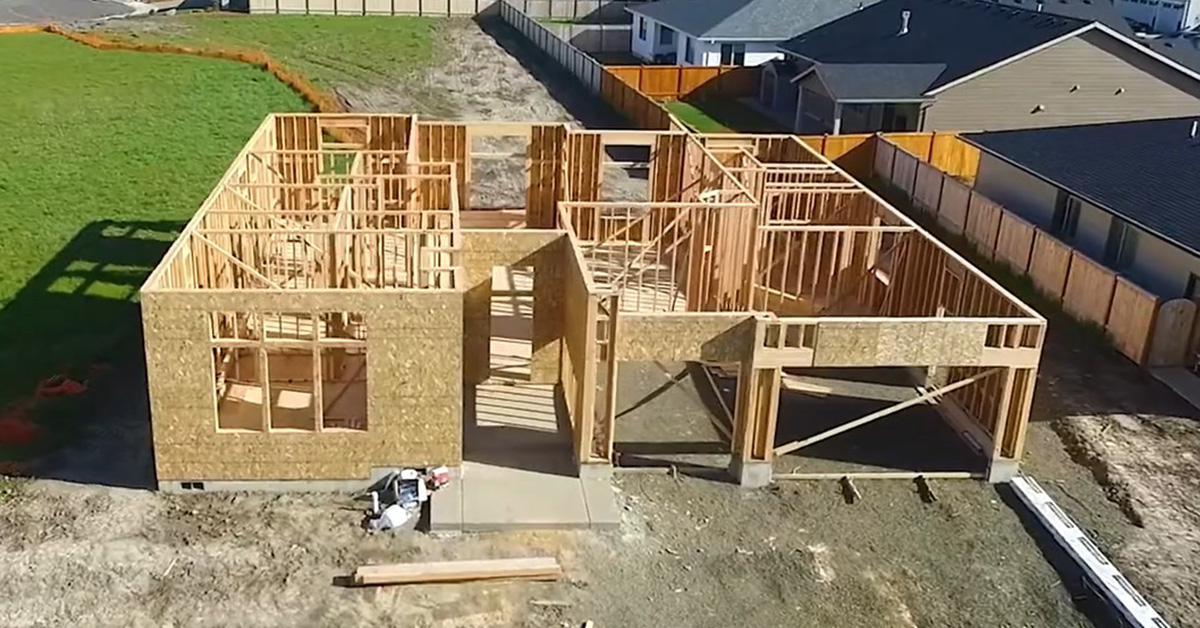
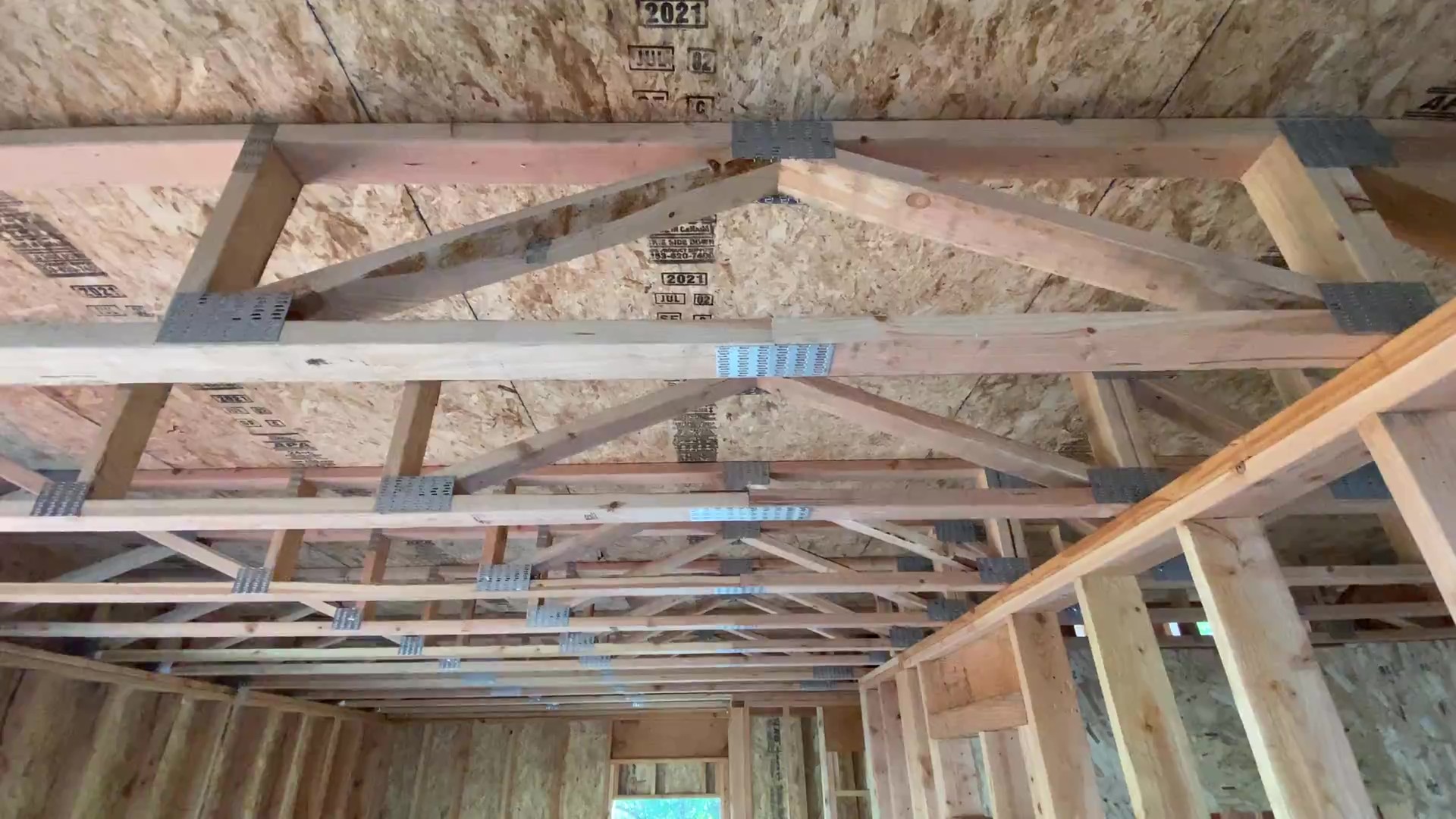
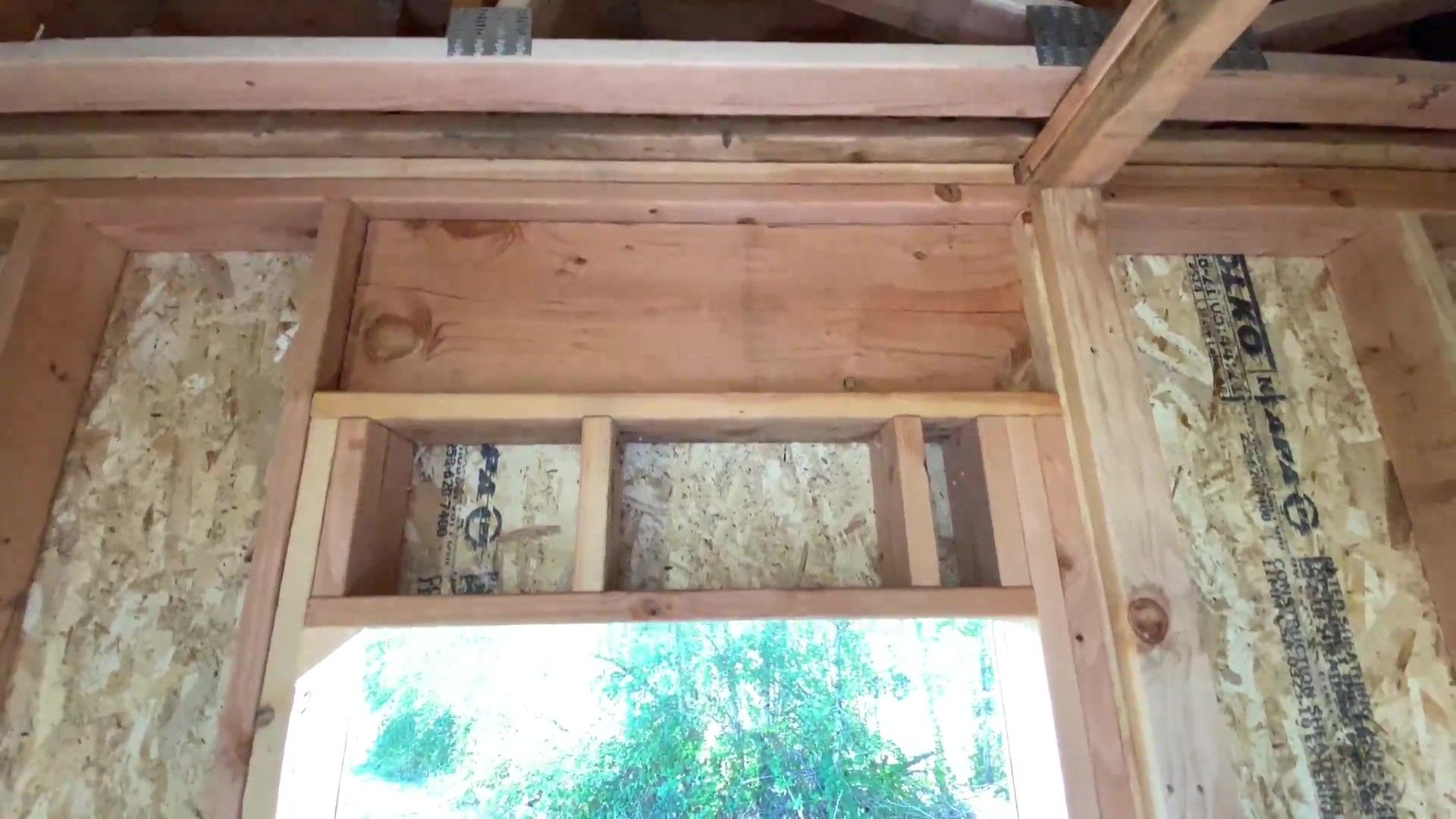
Why it matters:
Framing shows:
- Structural layout
- Rough openings
- Backing for future installs
- Shear and load paths
It becomes the roadmap for every trade that follows.
4. Rough MEP (Mechanical, Electrical, Plumbing)
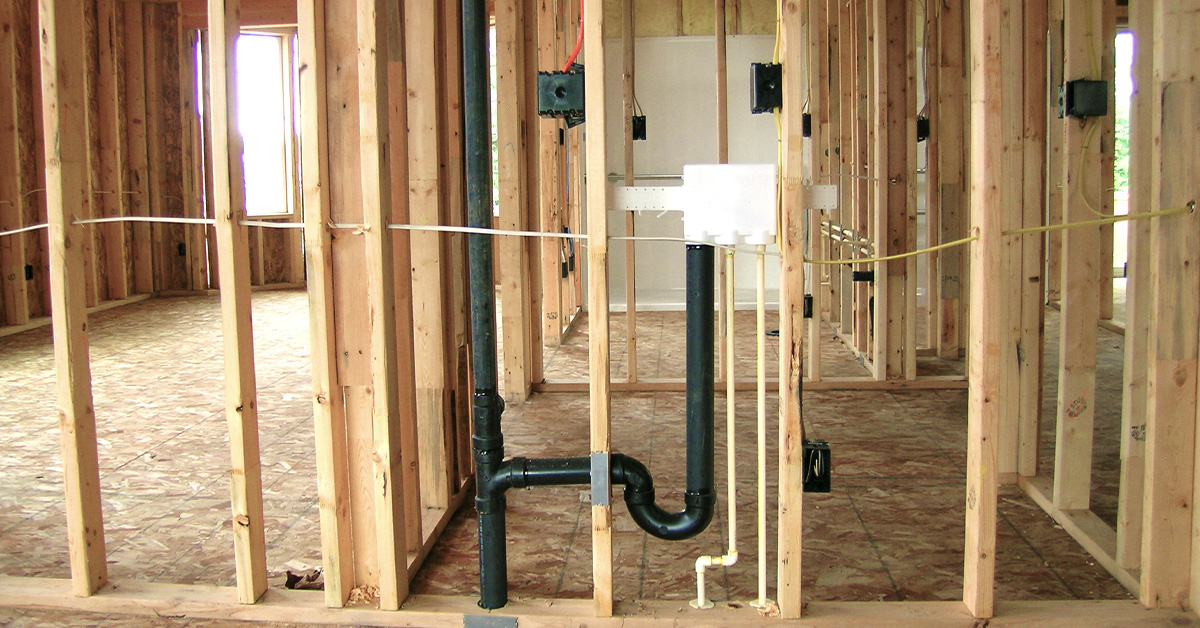
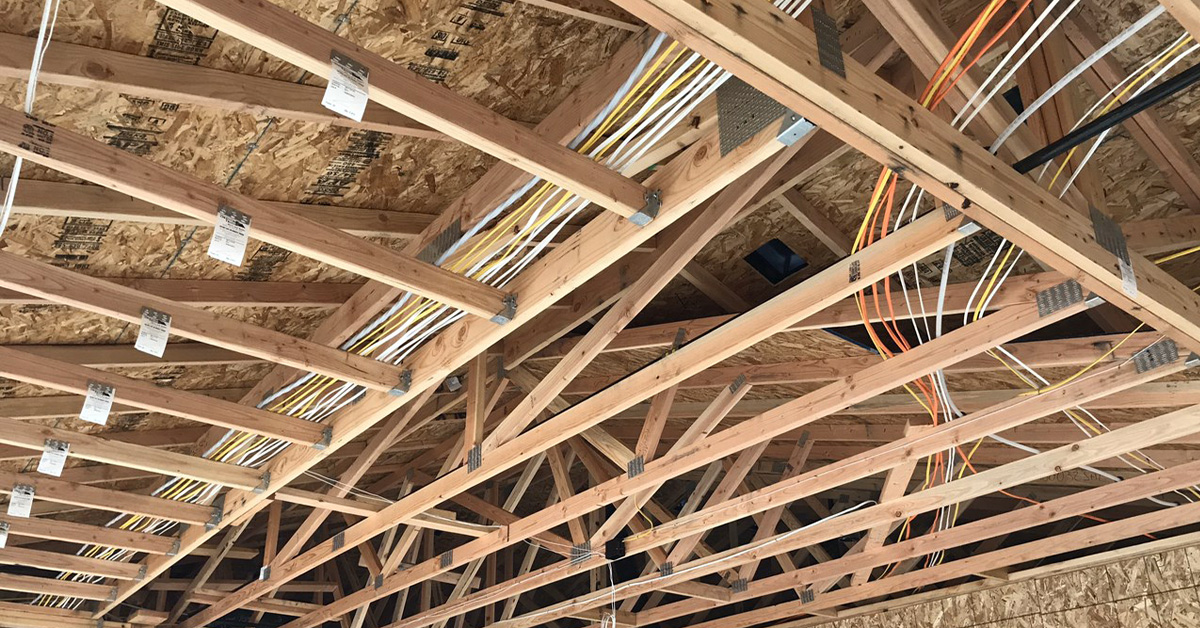
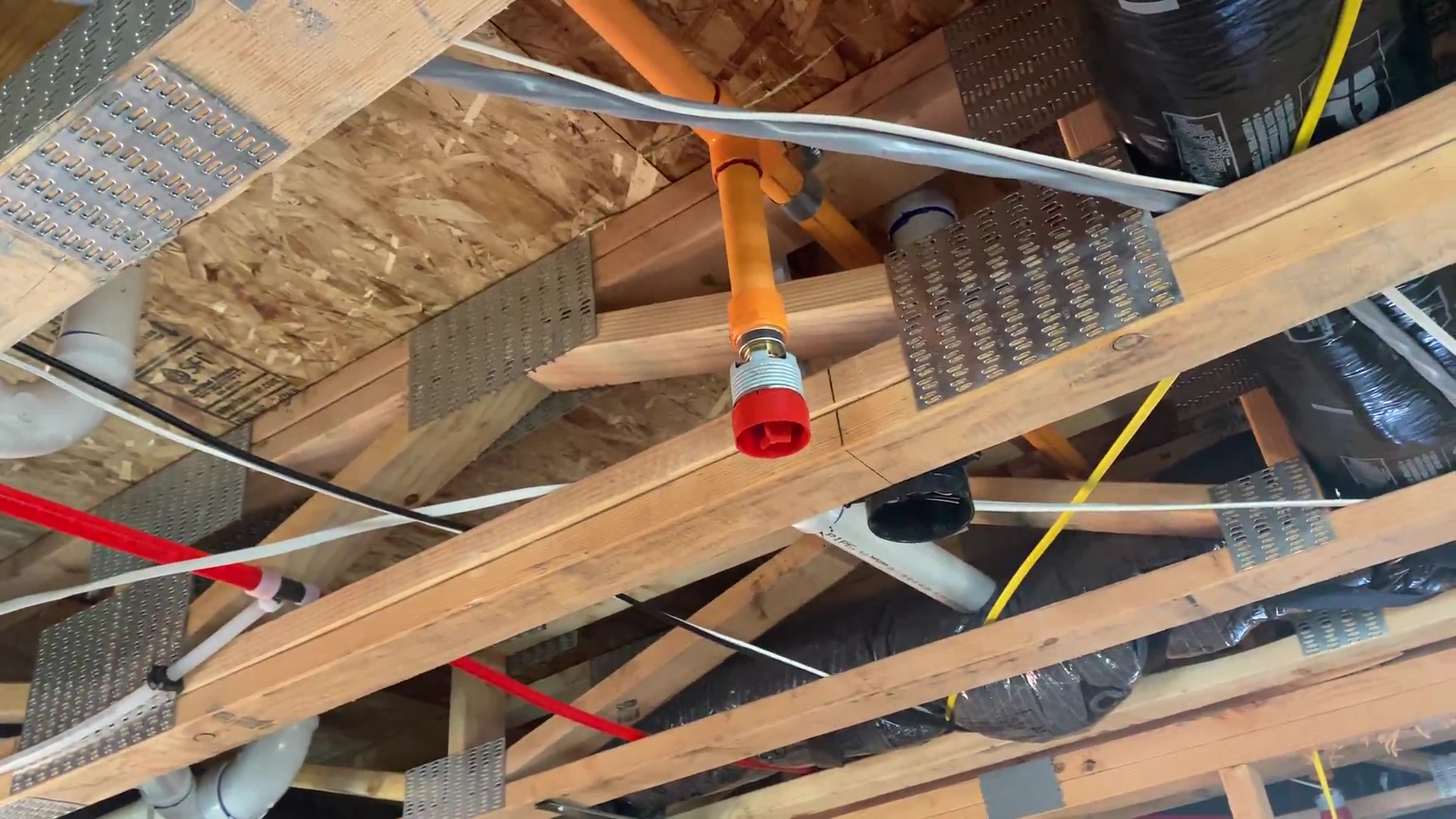
Why it matters:
This is the most requested documentation later.
Because once drywall goes up, you lose visibility into:
- Wire paths
- Pipe runs
- Duct routing
- Junction box locations
Future remodels depend on this.
5. Insulation & Air Sealing
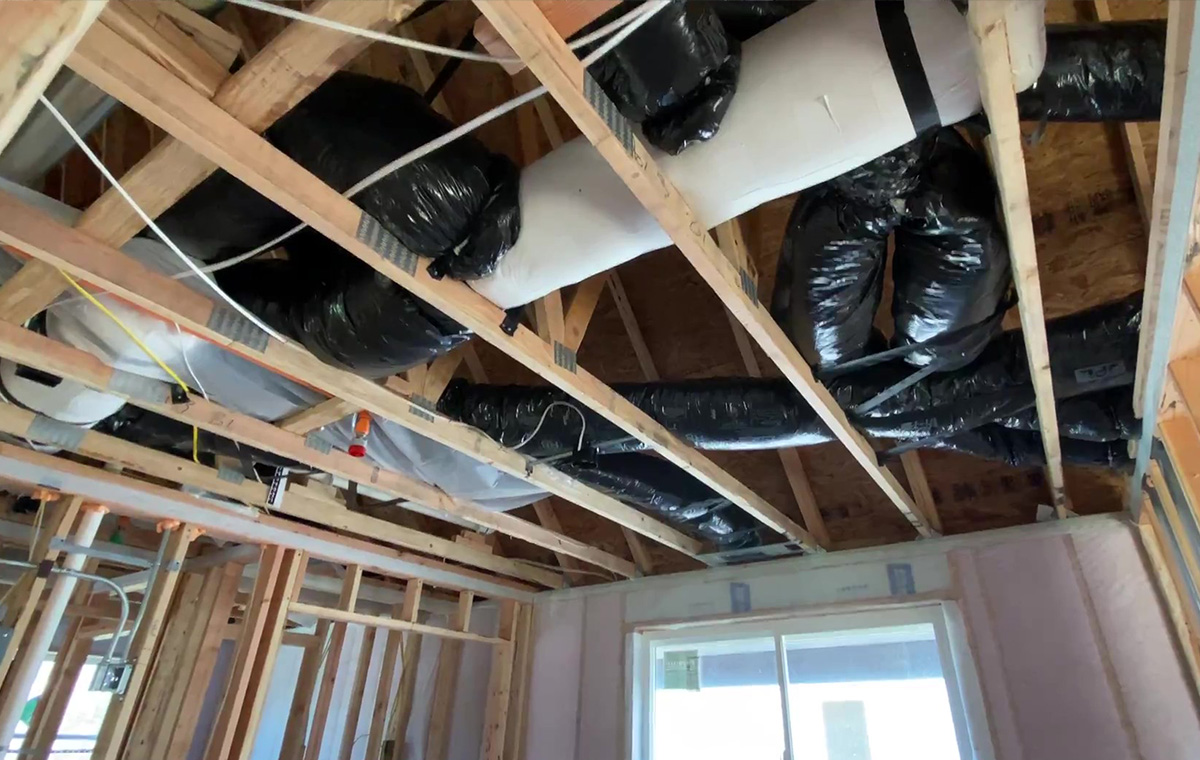
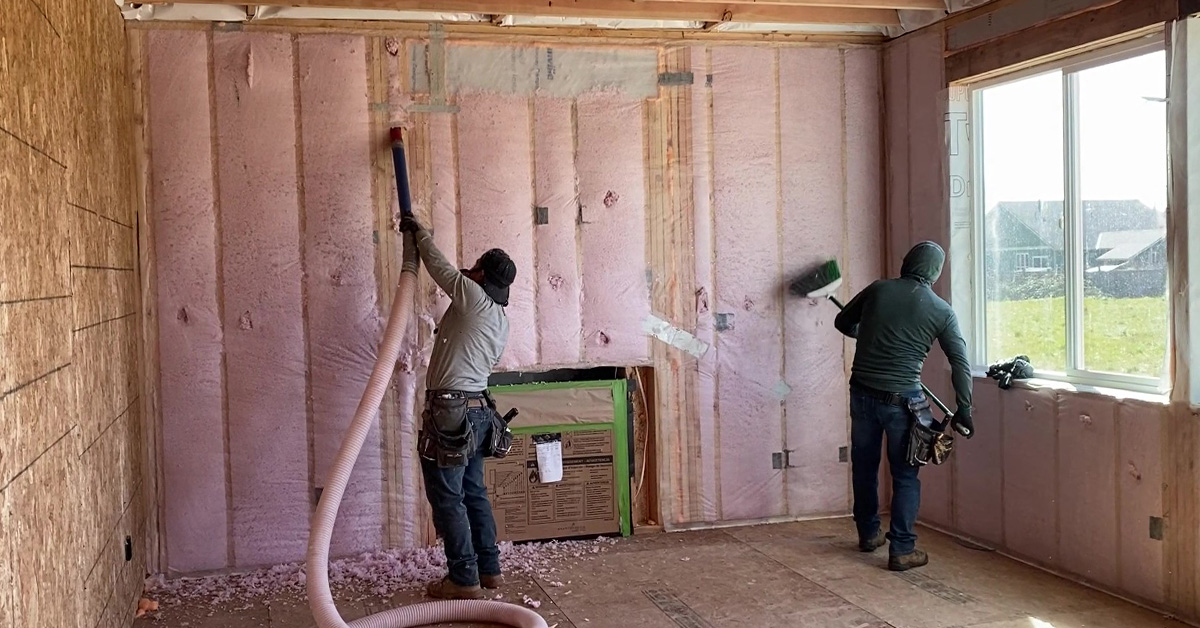
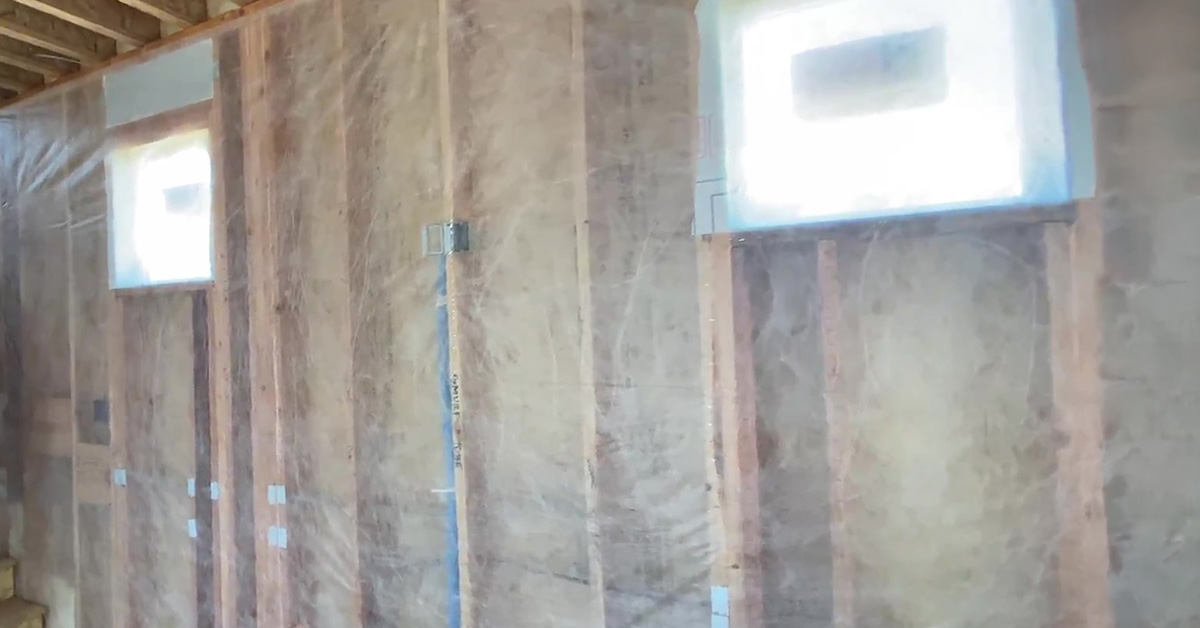
Why it matters:
Energy performance, comfort, and code compliance all live here.
You’re documenting:
- Full coverage
- Proper installation
- Draft and gap sealing
This protects builders from performance call-backs.
6. Drywall & Interior Close-In
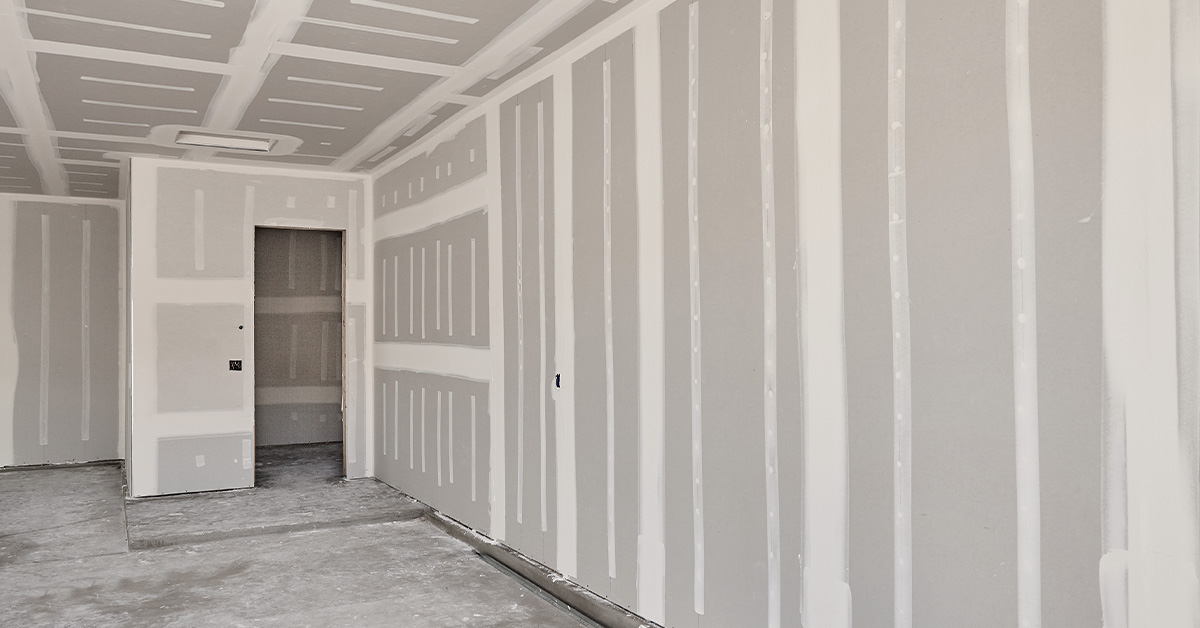
Why it matters:
This marks the transition from rough to finish.
It also locks in:
- What’s behind the walls
- Fire-rated assemblies
- Moisture protection in wet areas
7. Finishing Touches/Final walkthrough
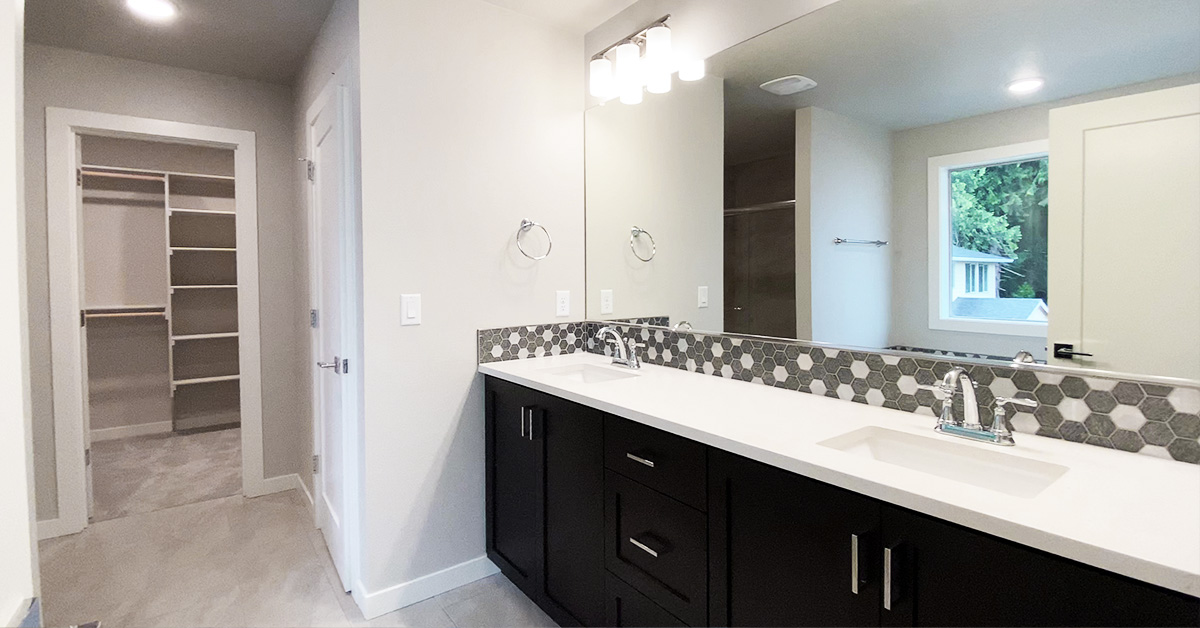
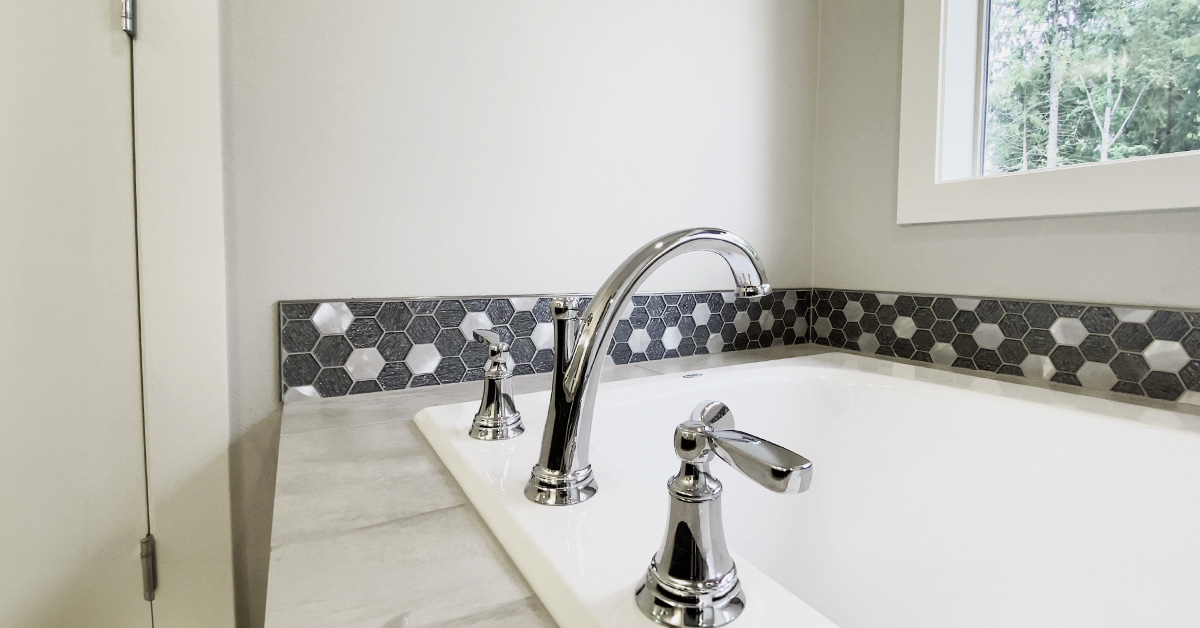
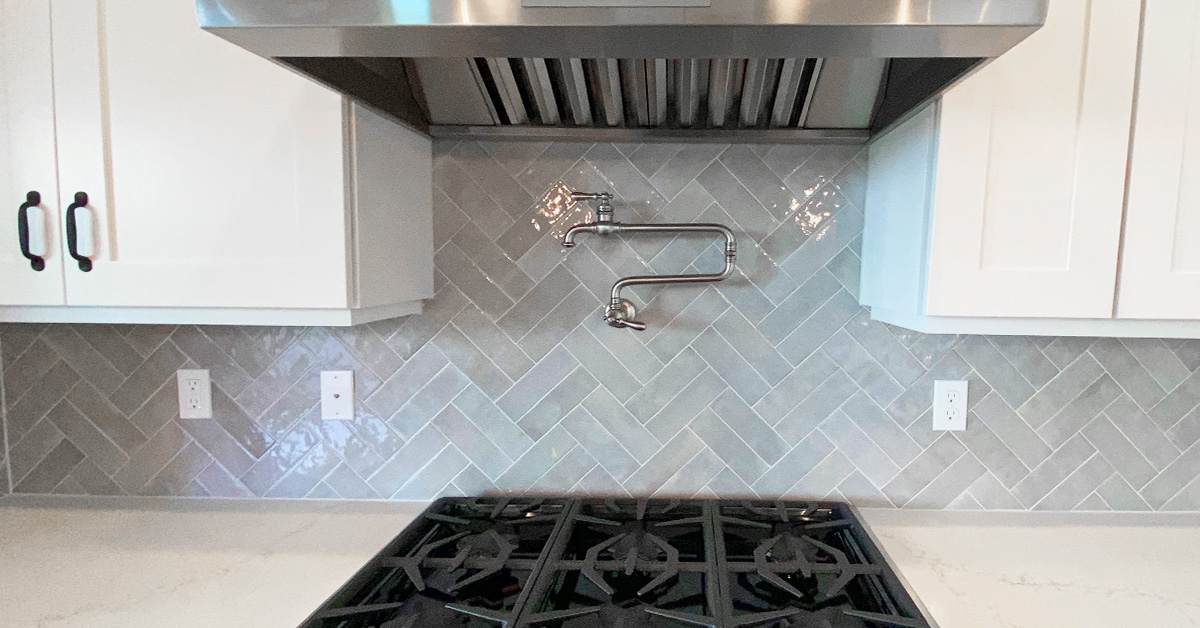
Why it matters:
This is your:
- As-built visual record
- Warranty protection
- Client handoff documentation
It’s also what owners and facilities teams rely on for years.
Why Milestone-Based Documentation Wins
Random jobsite photos are helpful.
Structured milestone documentation is powerful.
It gives you:
✅ A complete visual timeline
✅ Faster issue resolution
✅ Protection from liability
✅ Better client communication
✅ A permanent project record
Most importantly it creates clarity at every stage of the build.
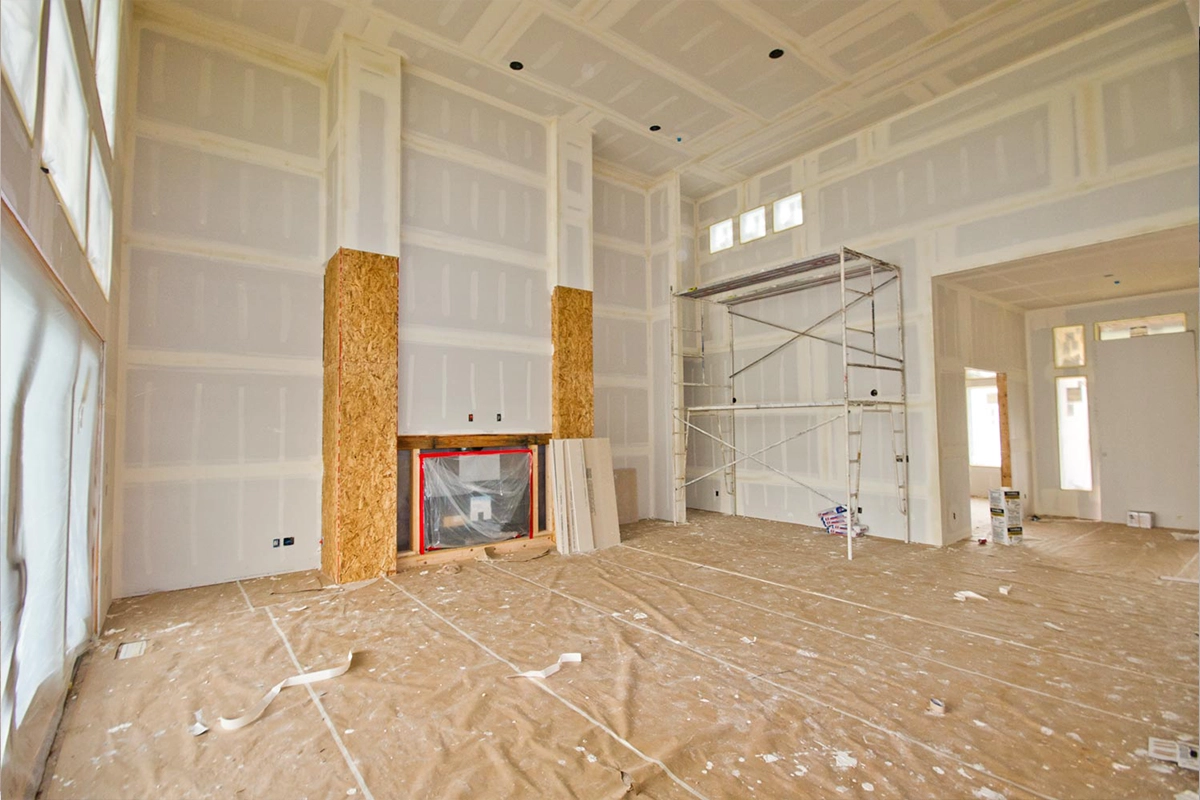
For a visual look at these stages, review our construction photo documentation examples from preconstruction through closeout.
How Leading Builders Use This
The most organized teams tie each milestone to:
- A site visit date
- Progress percentage
- Issue tracking
- Trade breakdown
- Downloadable reports
Not just for today but for the entire lifecycle of the build.
Final Thoughts
You only get one chance to document what gets covered up.
Miss the moment and it’s gone forever.
If your goal is to run tighter projects, reduce risk, and deliver a better client experience, start with these seven milestones and document them every time.
Need a Milestone Documentation System?
That’s exactly why we built ACTABUILD — to make every stage of the project:
- Visually organized
- Searchable
- Shareable
- Permanently documented
Because the best projects aren’t just built well. They’re documented well.