The 7 Construction Milestones Every Project Should Document

The 7 Construction Milestones Every Project Should Document

And why missing even one can cost time, money, and trust.

In construction, progress happens fast — and then it gets covered up.

Concrete gets poured. Walls close in. Systems disappear behind drywall.

If it wasn’t documented, it might as well not exist.

That’s why the most organized builders, owners, and project managers don’t just take photos — they document specific milestones at the moments that matter most.

Here are the seven construction milestones every project should systematically document and why each one protects your schedule, your budget, and your reputation.

cumented well.

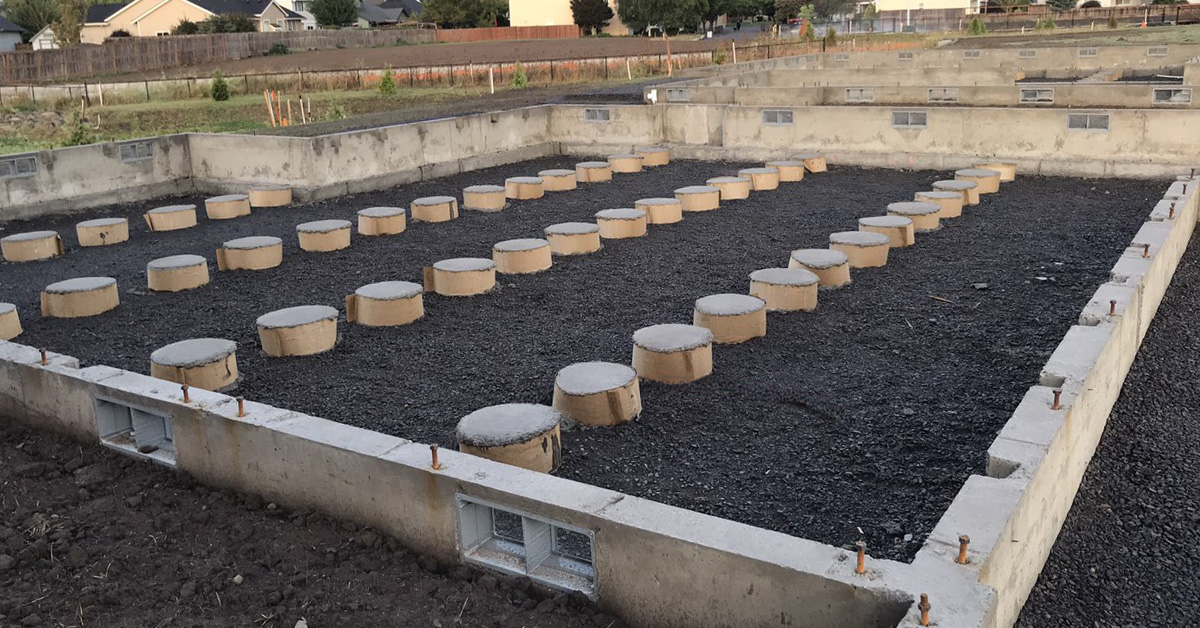
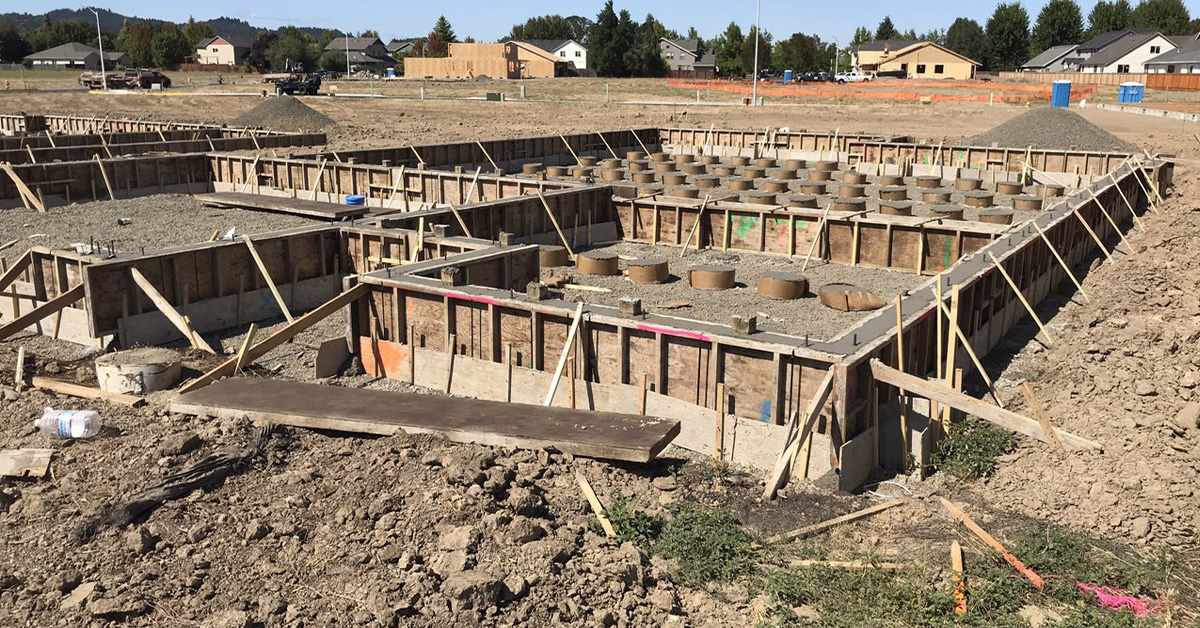
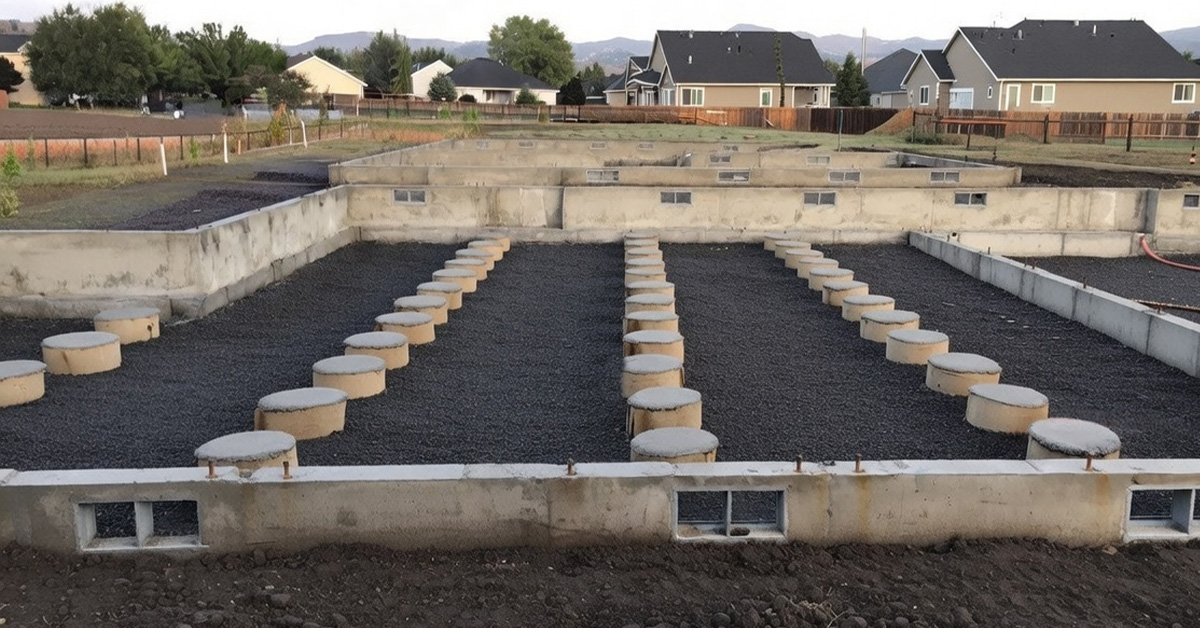
1. Foundation & Footings

Why it matters:
Everything sits on this. If there’s ever a structural question, this is where people go back.
 What to capture:

  • Footing layout and depth
  • Rebar placement
  • Anchor bolts and hold-downs
  • Under-slab plumbing and conduits

Risk of skipping it:
You can’t verify what’s under the concrete once it’s poured.
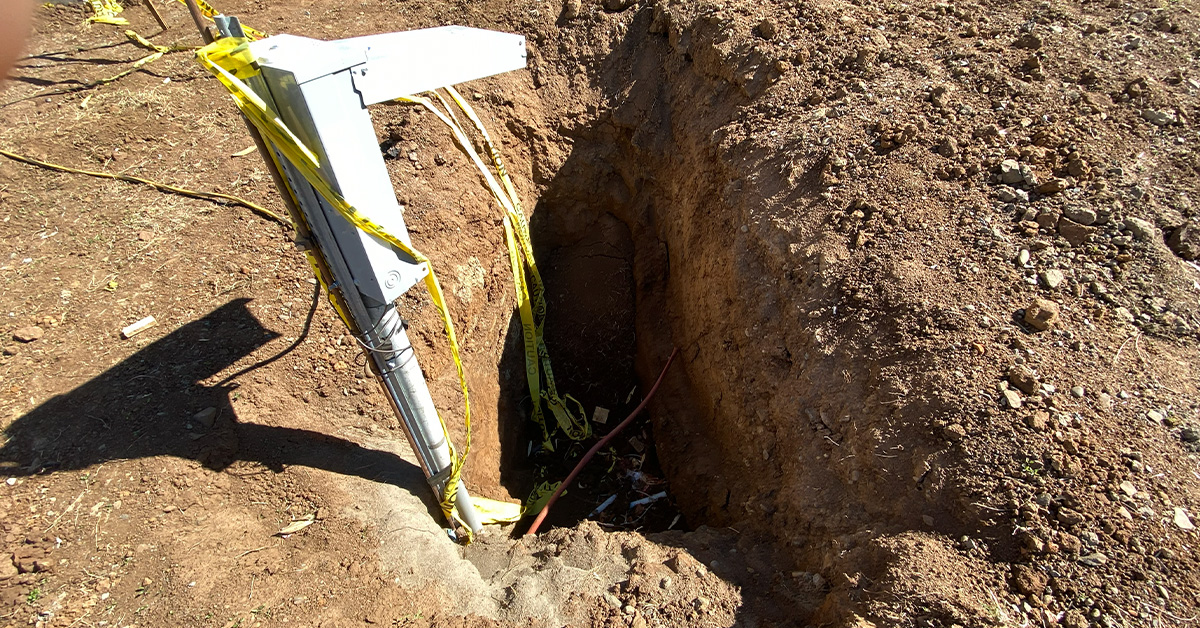
2. Underground Utilities


Why it matters:
Before backfill, this is your only visual record of:

  • Pipe locations
  • Routing
  • Depth
  • Separation between systems

This documentation is gold for future maintenance and avoiding utility strikes apart from an 811 call.


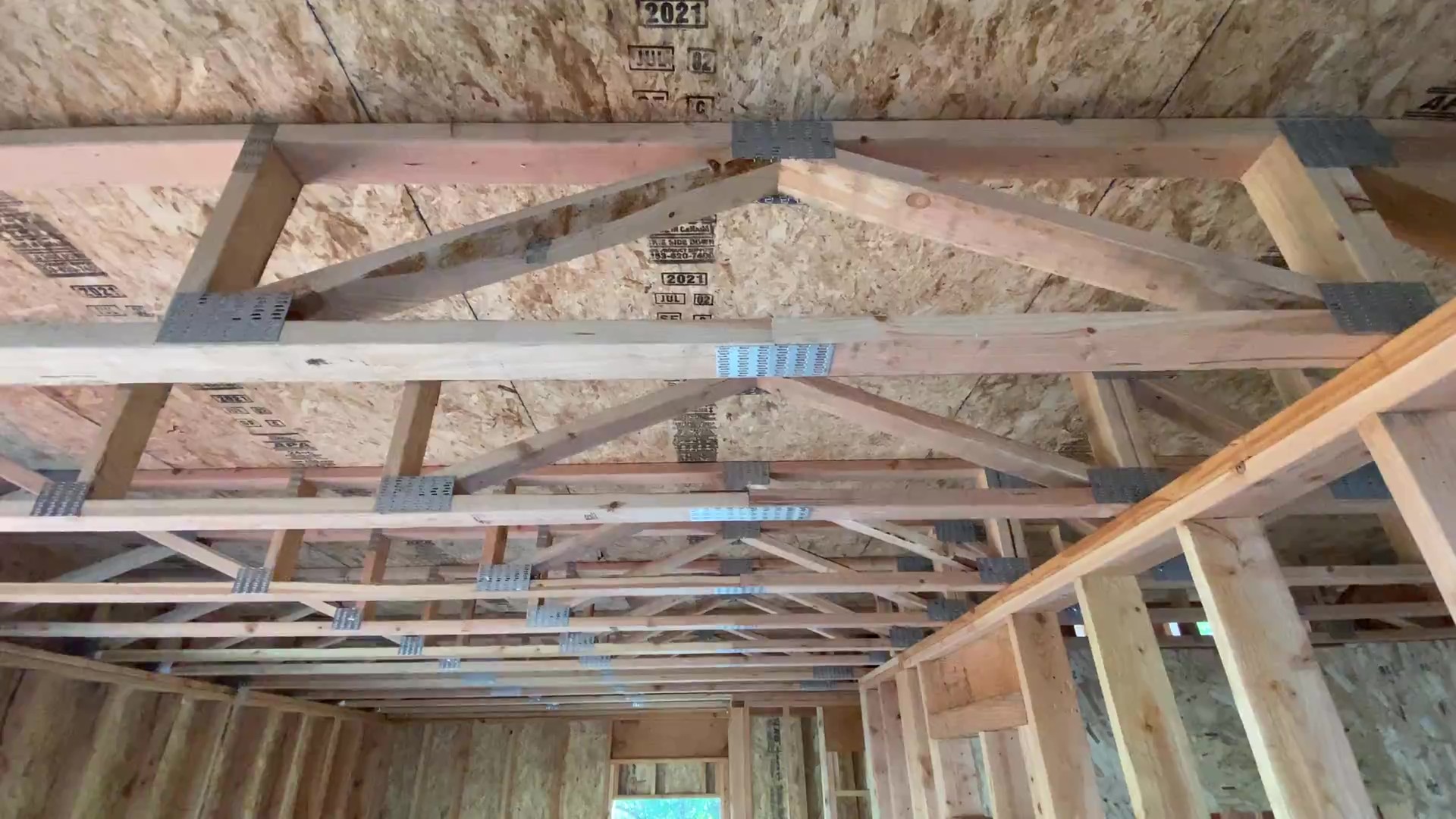
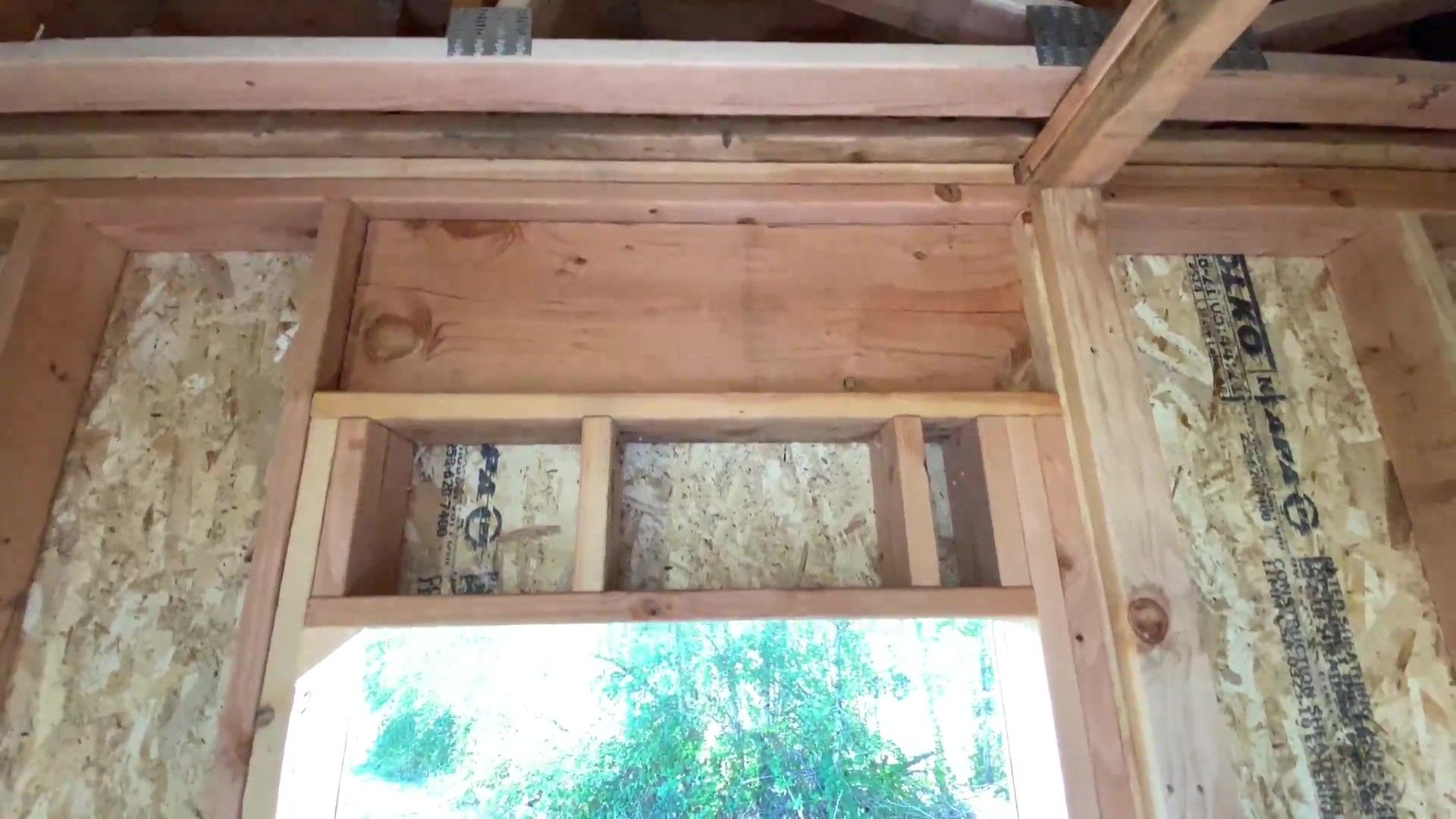
3. Framing
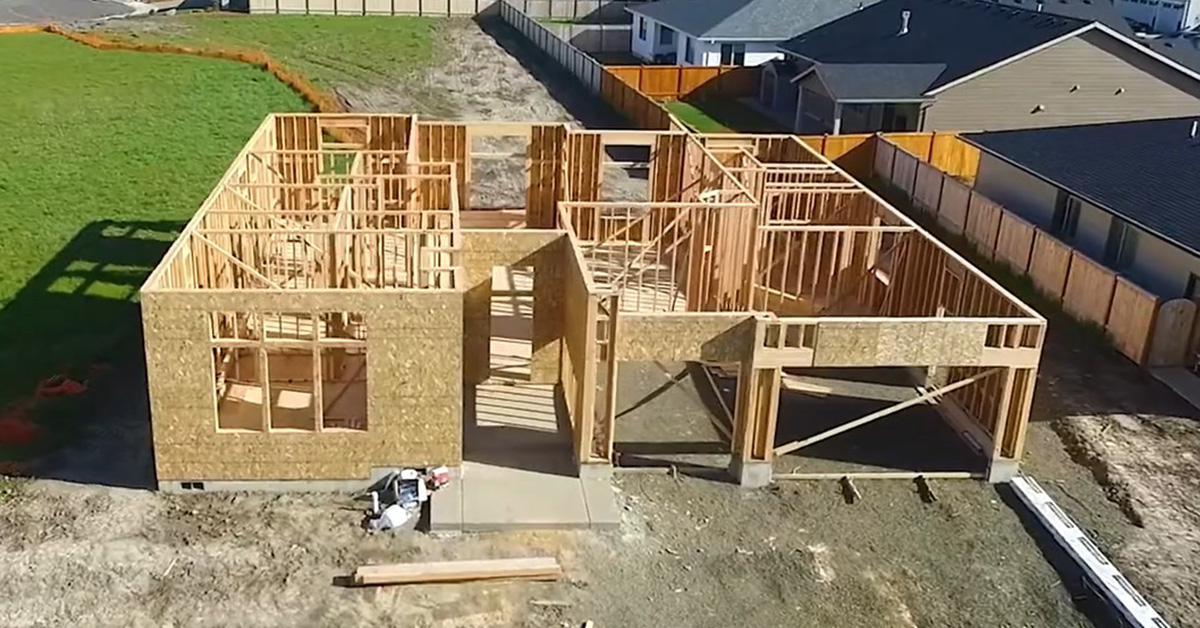
Why it matters:

Framing shows:

  • Structural layout
  • Rough openings
  • Backing for future installs
  • Shear and load paths

It becomes the roadmap for every trade that follows.

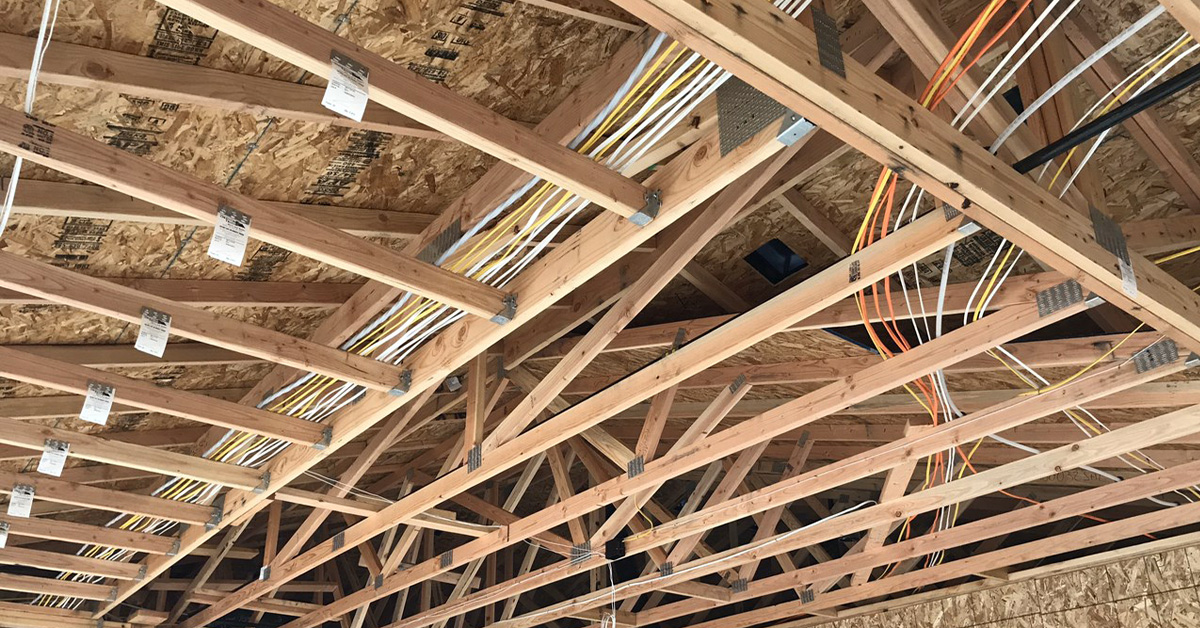
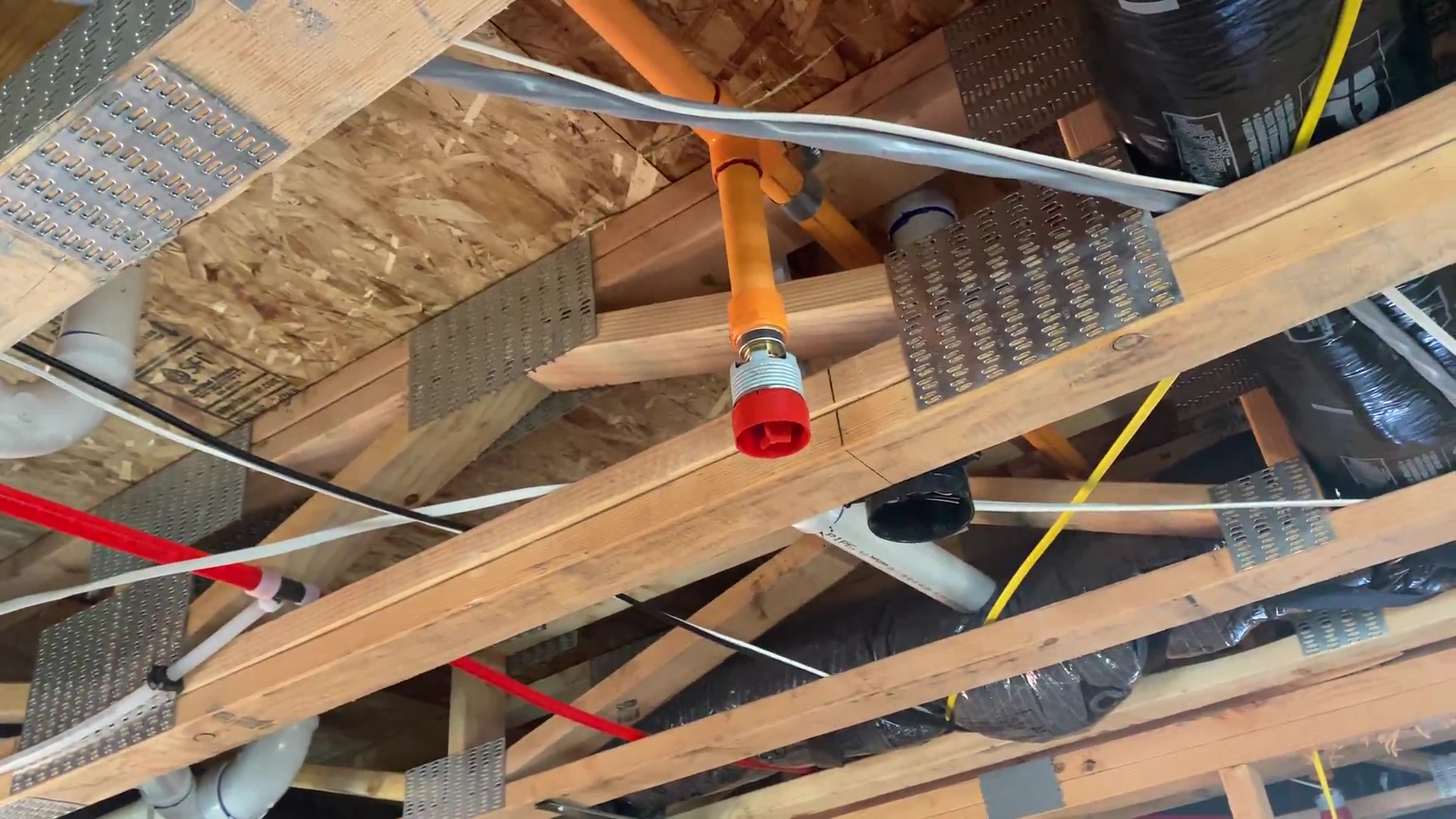
4. Rough MEP (Mechanical, Electrical, Plumbing)
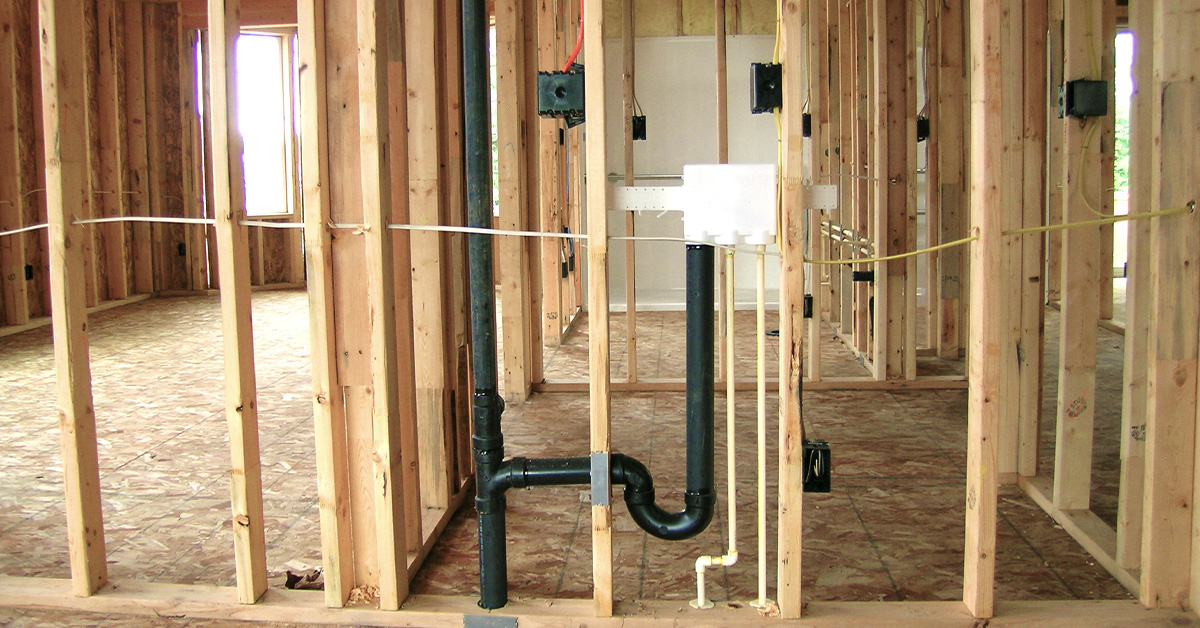
Why it matters:

This is the most requested documentation later.

Because once drywall goes up, you lose visibility into:

  • Wire paths
  • Pipe runs
  • Duct routing
  • Junction box locations

Future remodels depend on this.

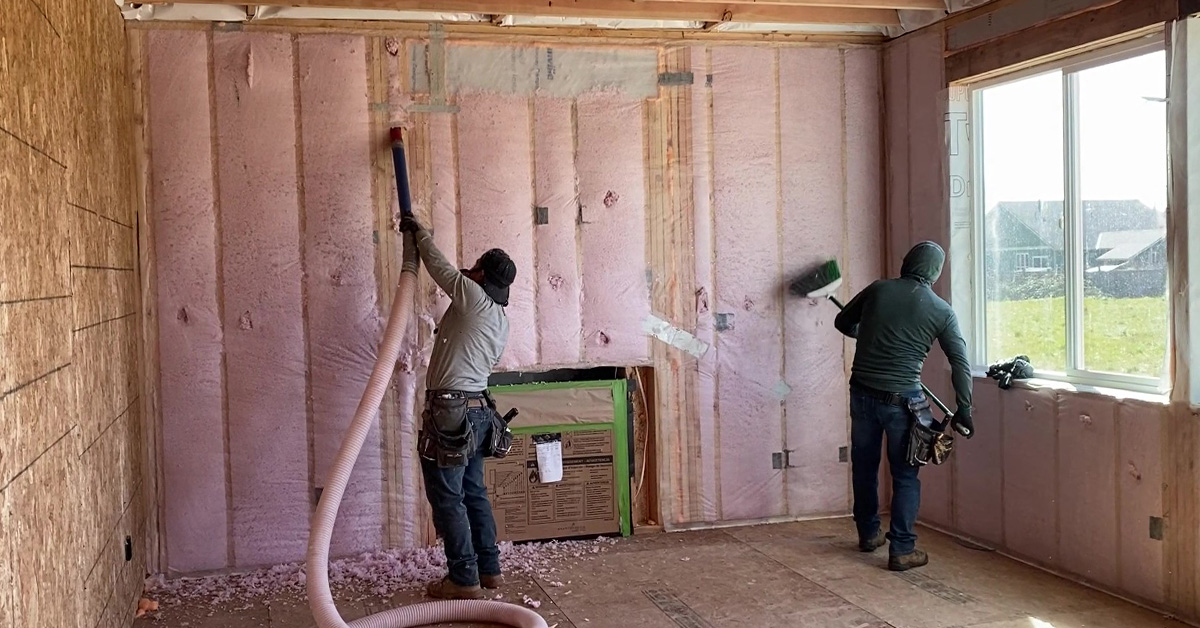
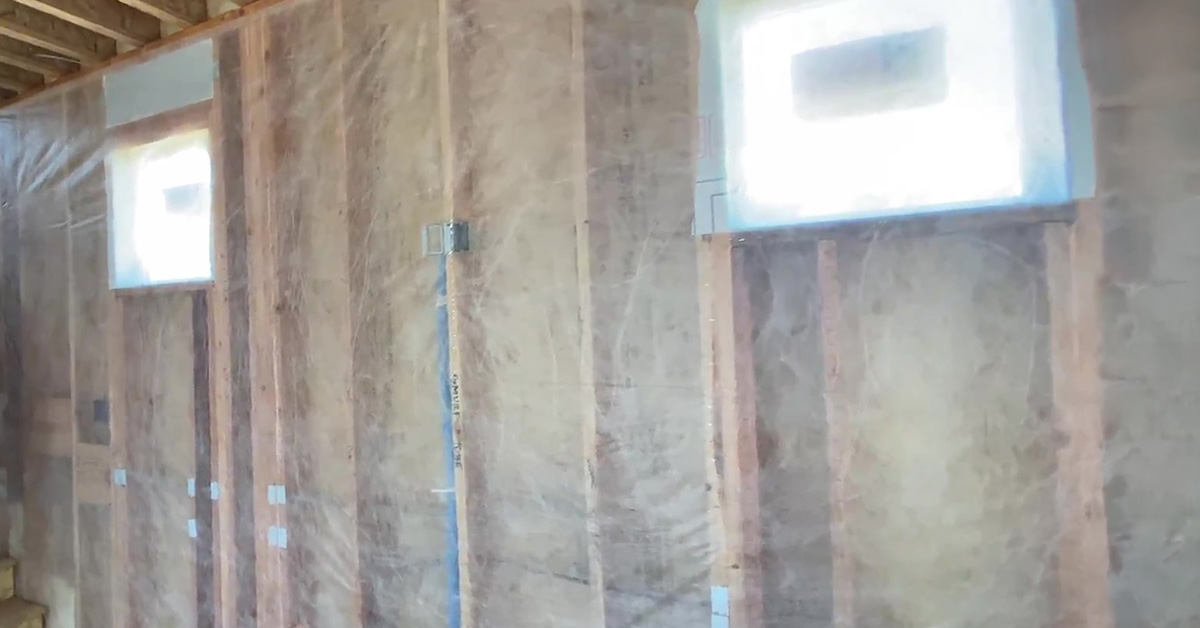
5. Insulation & Air Sealing
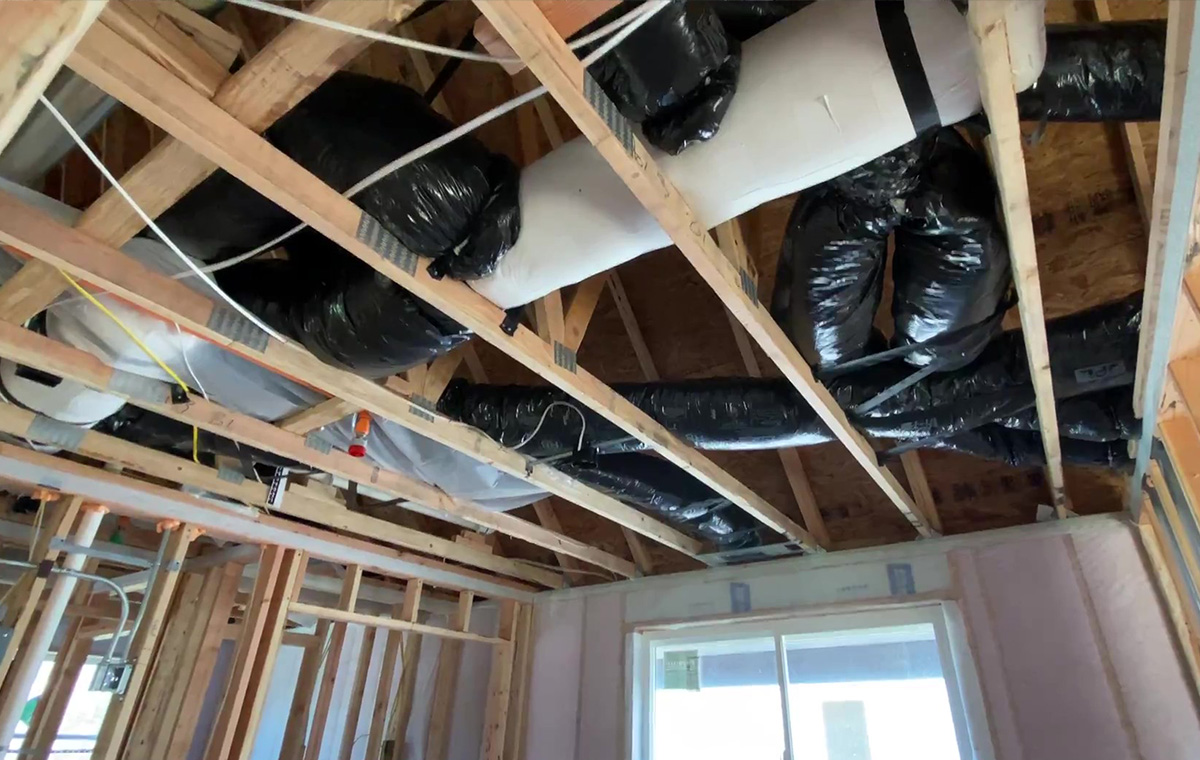
Why it matters:

Energy performance, comfort, and code compliance all live here.

You’re documenting:

  • Full coverage
  • Proper installation
  • Draft and gap sealing

This protects builders from performance call-backs.

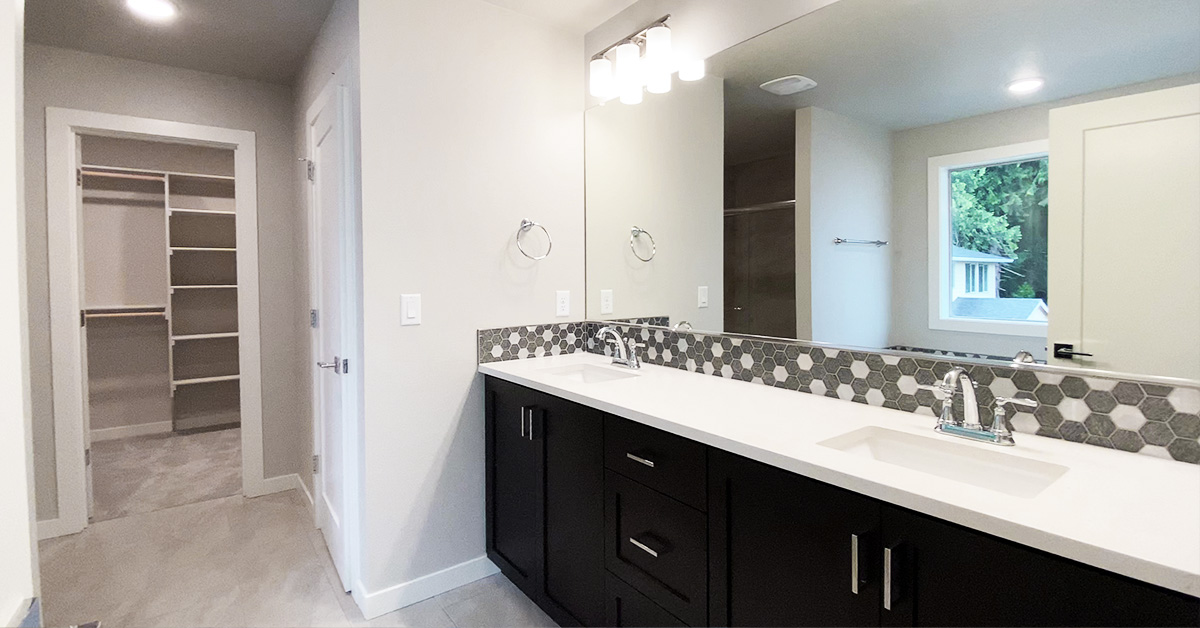
6. Drywall & Interior Close-In
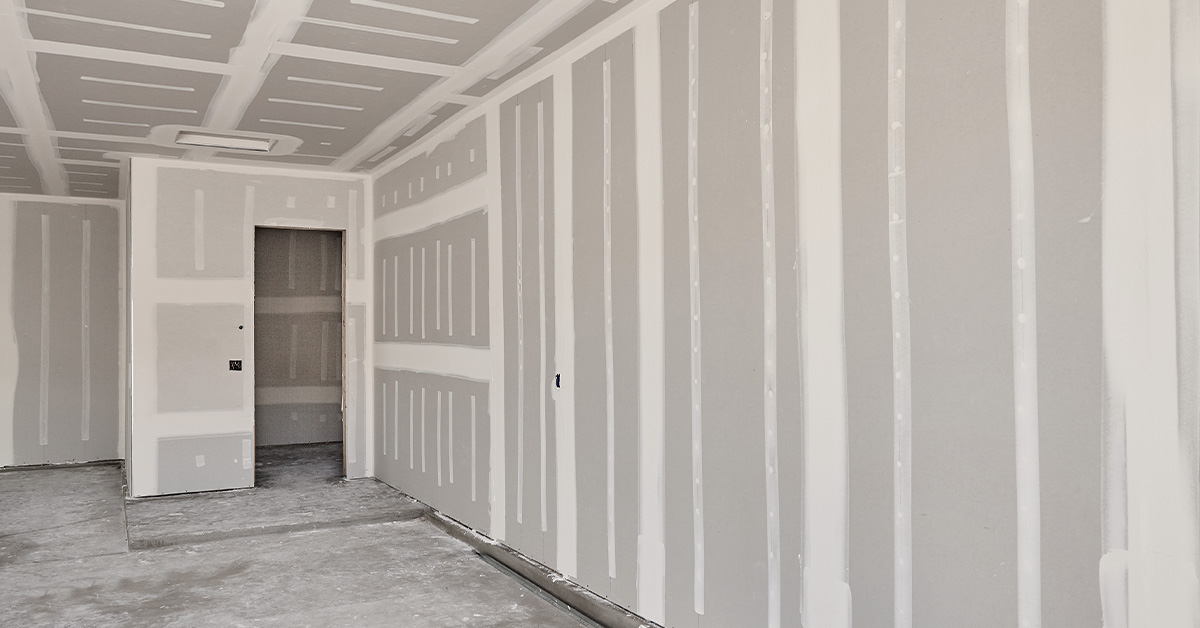
Why it matters:

This marks the transition from rough to finish.

It also locks in:

  • What’s behind the walls
  • Fire-rated assemblies
  • Moisture protection in wet areas

6. Drywall & Interior Close-In

Why it matters:

This is your:

  • As-built visual record
  • Warranty protection
  • Client handoff documentation

It’s also what owners and facilities teams rely on for years.

Why Milestone-Based Documentation Wins

Random jobsite photos are helpful.

Structured milestone documentation is powerful.

It gives you:

✅ A complete visual timeline
✅ Faster issue resolution
✅ Protection from liability
✅ Better client communication
✅ A permanent project record

Most importantly — it creates clarity at every stage of the build.
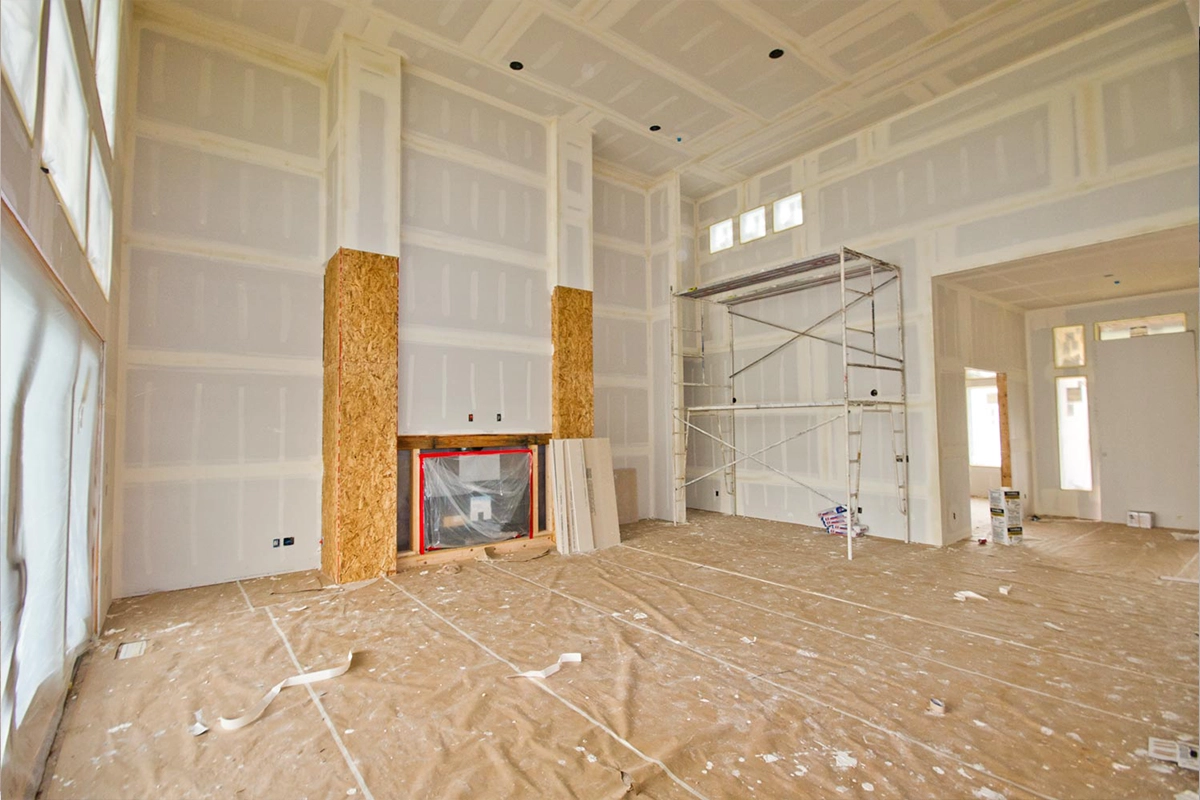
How Leading Builders Use This

The most organized teams tie each milestone to:

  • A site visit date
  • Progress percentage
  • Issue tracking
  • Trade breakdown
  • Downloadable reports

Not just for today — but for the entire lifecycle of the build.

Final Thoughts

You only get one chance to document what gets covered up.

Miss the moment — and it’s gone forever.

If your goal is to run tighter projects, reduce risk, and deliver a better client experience, start with these seven milestones and document them every time.

Need a Milestone Documentation System?

That’s exactly why we built ACTABUILD — to make every stage of the project:

  • Visually organized
  • Searchable
  • Shareable
  • Permanently documented

Because the best projects aren’t just built well.  They’re documented well.

Before drywall goes up, a construction project reaches one of its most important documentation windows. Framing, plumbing, electrical, HVAC, fire blocking, insulation areas, and structural details are still visible. Once the walls are closed, those details are much harder to verify without opening things back up.

Pre-drywall photo documentation helps builders, owners, developers, and project teams preserve a clear visual record of what was installed, where it was installed, and what the project looked like before key systems were covered.

For construction teams, this is not just about taking pictures. It is about creating organized proof that can be used later for coordination, warranty questions, future renovations, owner updates, and dispute prevention.


What is Pre-Drywall Photo Documentation?

Pre-drywall photo documentation is the process of capturing detailed jobsite photos before wall, ceiling, and floor cavities are covered. This typically happens after rough-in work is complete and before drywall installation begins.

The goal is to document visible conditions such as:

  • Framing layout
  • Electrical runs
  • Plumbing lines
  • HVAC ductwork
  • Low-voltage wiring
  • Blocking locations
  • Firestopping areas
  • Insulation prep
  • Mechanical, electrical, and plumbing systems
  • Areas that may need future access or verification

For many projects, this stage becomes one of the most valuable photo records in the entire build.

Why This Stage Matters So Much

Once drywall is installed, much of the project becomes hidden. If a question comes up later, the team may have to rely on memory, scattered phone photos, old text messages, or costly investigation.

Pre-drywall documentation gives the project team a visual reference before the work disappears behind finished surfaces.

This can be especially useful when someone needs to answer questions like:

  • Where is that water line located?
  • Was blocking installed behind this wall?
  • Where do the electrical runs travel?
  • What did this room look like before drywall?
  • Was this issue present before finishes were installed?
  • What systems are behind this wall before we drill, cut, mount, or remodel?

A well-organized photo record can save time, reduce uncertainty, and give teams a clearer way to review what happened on site.

Helpful for Builders and General Contractors


Builders and general contractors deal with a lot of moving parts. Different trades are working in the same spaces, schedules shift, and decisions often need to be made quickly.

Pre-drywall photo documentation gives builders a way to preserve a clear record of important work before it is covered. This can help with internal review, trade coordination, and future questions from owners or project managers.
Instead of digging through loose folders or asking someone to scroll through hundreds of phone photos, the team can reference organized documentation tied to a project, milestone, room, or plan area.

Useful for Owners and Developers

Owners and developers may not be on site every day, but they still need confidence in the progress and quality of the work. Pre-drywall documentation gives them a better view of what happened during a critical phase of construction.

For multifamily, commercial, residential, and mixed-use projects, this type of documentation can become a useful long-term project record. It can support future maintenance, tenant improvements, warranty conversations, and asset management.

It also gives owners a clearer visual archive of the building before finishes hide the systems that support it.

Better Than Scattered Jobsite Photos

Most construction teams already take photos. The problem is that many photos are not organized in a way that makes them useful later.

They may be stored in:

  • Text messages
  • Personal phones
  • Shared drives
  • Email threads
  • Random folders
  • Project management comments
  • Camera rolls with no clear structure

The issue is not always a lack of photos. The issue is finding the right photo when it matters.

ACTABUILD is built around the idea that construction photos should be organized, searchable, and tied to the project. Instead of only capturing images, ACTABUILD helps connect those images to milestones, floor plans, rooms, project areas, and issues.

How ACTABUILD Handles Pre-Drywall Documentation

ACTABUILD helps construction teams document pre-drywall conditions with structured photo capture and app-based organization.

A typical pre-drywall documentation visit may include:

  1. Scheduling the documentation visit
    The project team identifies the milestone, location, and areas that need to be captured.
  2. Capturing still and 360 photos
    ACTABUILD documents key rooms, walls, systems, and visible conditions before drywall is installed.
  3. Organizing photos inside the app
    Photos can be tied to project areas, milestones, floor plans, and rooms so they are easier to find later.
  4. Documenting noticeable issues
    If something stands out during documentation, it can be noted, annotated, and tracked inside the platform.
  5. Sharing documentation when needed
    The visual record can be used for internal review, owner updates, warranty questions, future planning, and closeout support.

The goal is simple: photos from the field, organized in a way that helps the project team later.

Why 360 Photos Can Be Helpful Before Drywall

Still photos are useful for detail, but 360 photos can add context. A 360 image helps project teams look around a room or area and understand how systems relate to each other.

For pre-drywall documentation, 360 photos can be especially helpful because they capture a wider view of the space. This can make it easier to review wall cavities, ceiling areas, room layout, and system locations from one organized viewpoint.

When paired with still photos, 360 documentation gives teams both detail and context.

Floor/Site Plan Base Viewing Makes the Record More Useful

One of the biggest challenges with construction photography is location. A photo may show an important condition, but if no one knows exactly where it was taken, its value drops.

ACTABUILD helps solve this by organizing documentation around the project and connecting photos to floor plans or project areas. This makes it easier to understand where the photo belongs and what part of the building it represents.

For pre-drywall documentation, this can be especially valuable. If a question comes up later, the team can look back at the relevant area instead of searching through a pile of disconnected images.

Reducing Future Questions and Disputes

Construction projects can involve disagreements over timing, conditions, installation details, and responsibility. A clear photo record does not solve every problem, but it can provide useful context.

Pre-drywall documentation may help answer:

  • What was visible before drywall?
  • Was an item installed before the wall was closed?
  • Was a condition already present at a specific milestone?
  • What did the area look like before another trade began work?
  • Where are hidden systems located?

When documentation is organized and easy to reference, it can reduce confusion and support better conversations between builders, owners, developers, and trade partners.

Long Term Value After the Project is Complete

The value of pre-drywall documentation does not end when drywall goes up. It can remain useful long after the project is complete.

A good visual record can help with:

  • Warranty questions
  • Future repairs
  • Renovations
  • Tenant improvements
  • Maintenance planning
  • Owner reference
  • Closeout documentation
  • Insurance or damage review
  • Facility management

For buildings that will be maintained, improved, sold, leased, or occupied over time, knowing what is behind the walls can be a real advantage.

Why Should Pre-Drywall Photos Be Taken

The best time to capture pre-drywall documentation is after major rough-in work is visible and before wall cavities are covered.

This may vary by project, but it often comes after:

  • Framing is complete
  • Electrical rough-in is visible
  • Plumbing rough-in is visible
  • HVAC and mechanical systems are visible
  • Low-voltage wiring is installed
  • Blocking and backing are visible
  • Inspections are approaching or recently completed
  • Drywall is not yet installed

Timing matters. If documentation happens too early, some systems may not be installed yet. If it happens too late, important details may already be covered.

Who Should Consider Pre-Drywall Documentation?

Pre-drywall documentation is useful for many types of construction projects, including:

  • Custom homes
  • Production homes
  • Multifamily projects
  • Commercial tenant improvements
  • Office buildouts
  • Mixed-use buildings
  • Public-facing construction projects
  • Remodels and additions
  • Owner-builder projects
  • Developer-led projects

Any project with hidden systems, multiple trades, or long-term ownership value can benefit from a better visual record.

Pre-Drywall Documentation in Portland, Hillsboro, Beaverton, and Nearby Areas

Across the Portland metro area, construction teams are working on residential, commercial, multifamily, and mixed-use projects that involve many trades and many decisions. As projects become more complex, organized construction documentation becomes more important.

ACTABUILD provides construction documentation photography for projects in Portland, Hillsboro, Beaverton, Forest Grove, Tigard, Wilsonville, Vancouver WA, Salem, and surrounding areas.

Whether the project needs one pre-drywall visit or milestone documentation throughout the build, ACTABUILD helps capture the work and keep it organized inside the app.

Start Documenting Before the Walls Close

If your project is approaching the pre-drywall stage, this is the right time to capture what will soon be hidden.

ACTABUILD helps construction teams document visible work with still photos, 360 images, floor plan-based organization, and issue tracking inside the ACTABUILD app.

Start documenting your project before the walls close.

Related Posts