
When a Superintendent Leaves, Does the Project Knowledge Leave Too?

Construction projects rarely receive a clean pause when a superintendent leaves.
The superintendent may accept a better-paying position, get recruited by another company, be reassigned to a higher-priority project, or be replaced. Sometimes an illness, leave of absence, or unexpected personal situation creates the same problem with little warning.
The schedule keeps moving. Trades still need direction. Inspections are still approaching. Materials continue arriving, and unresolved issues do not disappear because the person who understood them is no longer onsite.
Someone has to step in. It may be a newly hired superintendent, another employee carrying two projects, a project manager spending more time in the field, or the company owner.
The immediate problem is not simply filling the position. It is closing the knowledge gap.
A Project Can Lose More Than a Superintendent
A construction schedule records what is supposed to happen. Plans and specifications define the work. Contracts establish responsibilities.
But much of the project's working knowledge develops in the field:
-
Which areas are actually ready for the next trade
-
Which work appears complete but still needs correction
-
What an inspector asked the team to address
-
Which material delivery is late
-
What was discussed during a site walk
-
Which owner or client concern requires follow-up
-
Why a particular activity was moved or delayed
-
Which issue could interfere with the next milestone
That information may be spread across text messages, emails, personal notes, conversations, and camera rolls. If the superintendent leaves, the person stepping in must reconstruct the project while also trying to keep it moving.
This creates two problems at once: a knowledge gap and a workload gap.
Construction photo documentation cannot replace the departing superintendent's experience or relationships. It can, however, give the next person an established source of project information instead of asking them to begin with scattered records and incomplete explanations.
A Folder of Photos Is Not a Transition Plan
Most construction teams already take plenty of jobsite photos. The problem is determining what those photos mean later.
An image may show a framed wall, rough plumbing, damaged material, or an unfinished connection. But without context, the replacement superintendent may not know:
-
Where the photo was taken
-
When the condition was observed
-
Which milestone or trade it relates to
-
Whether the image shows progress or a problem
-
Whether someone was assigned to follow up
-
Whether the condition was later corrected
Useful construction photo documentation connects the image to the project record. Field notes, milestones, locations, issues, and annotations preserve the meaning around the photograph.
Three parts of that record are especially helpful during a superintendent transition.
1. Field Notes Preserve the Running Story of the Project
Field notes give the incoming superintendent a place to understand what has been happening onsite.
A useful field note does not need to be a lengthy report. It should capture the information someone else may need in order to understand the day:
-
Work performed
-
Trades onsite
-
Areas affected
-
Delays or blockers
-
Materials delivered or still missing
-
Inspections completed or upcoming
-
Decisions requiring follow-up
-
Photos showing the visible condition
When these updates are recorded consistently, the new person can review the recent history instead of relying entirely on a rushed conversation or another employee's memory.
The field note also provides context for the office. If a project manager or owner has to cover the job temporarily, the record can help them see what occurred without searching through multiple message threads.
This is one reason jobsite documentation should be part of the normal workflow rather than something assembled only when a problem occurs.
2. Milestones Show Where the Project Actually Stands
A company-defined milestone structure gives the incoming superintendent an immediate framework for understanding the build.
Instead of opening a large gallery and trying to determine the sequence, the person stepping in can review documentation by stage. Depending on the project, that might include:
-
Existing conditions and preconstruction
-
Sitework and underground utilities
-
Foundation and structural work
-
Framing
-
Mechanical, electrical, and plumbing rough-ins
-
Insulation and pre-drywall conditions
-
Drywall and finishes
-
Punch work and closeout
The milestone record can help answer several urgent questions:
-
What stage is each area in?
-
Which trades have completed their work?
-
What is supposed to happen next?
-
Which work will soon be concealed?
-
Are any inspections or corrections still open?
-
Is the next trade actually able to begin?
Milestones do not replace the construction schedule. They add visual and field context to it. A scheduled activity may be approaching, but photos and updates can show whether the relevant area is ready.
For someone entering the project midstream, that distinction can make the difference between understanding the actual condition of the job and simply reading the planned dates.
3. Issues and Annotations Make Unresolved Work Visible
Active projects can contain dozens of open questions, corrections, and incomplete conditions. Some are minor. Others can affect inspections, trade handoffs, concealed work, or the schedule.
The replacement superintendent needs to know more than the fact that problems exist. They need to understand:
-
What the issue is
-
Where it is located
-
When it was identified
-
Which photograph shows the condition
-
What detail in the photograph matters
-
Who needs to respond
-
Whether follow-up documentation has been added
-
Whether the issue is still open or has been resolved
Annotations can point directly to the relevant part of an image. Issue records can keep the original condition, field explanation, status, and follow-up photos together.
Without that structure, an incoming team member may see a photo but miss the reason it was taken. They may also spend time investigating something that was already resolved—or assume an open issue was completed because no recent message mentions it.
Organized issues help turn disconnected observations into a usable list of project conditions requiring attention.
How a New Superintendent Can Use the Record
A documented project history does not eliminate the need for a site walk or team conversations. It makes those conversations more productive.
A practical transition review might look like this:
- Review recent field notes. Understand current activity, recent decisions, delays, and upcoming commitments.
- Review milestones by project area. See which phases and trades are complete, active, or approaching.
- Open the unresolved issues. Identify corrections, questions, and conditions that could interfere with upcoming work.
- Review photos by location. Use site plans, floors, rooms, or zones to connect the written record to the physical jobsite.
- Walk the project with the documentation. Confirm that the recorded status matches current conditions.
- Prioritize the next handoffs. Focus first on inspections, concealed work, trade readiness, and schedule-sensitive items.
This gives the incoming superintendent a structured way to get oriented. It also helps the company identify where the record is complete and where additional clarification is still needed.
Documentation Helps the Employee Carrying the Extra Load
Not every transition immediately results in a new hire. Another superintendent may have to cover the project while continuing to manage their existing work. A project manager or owner may temporarily assume field responsibilities.
That person has even less time to reconstruct the job.
Organized documentation can help them review the most important conditions before visiting the site, focus their conversations on unresolved items, and avoid repeatedly asking the field team to resend photos or explain previous decisions.
It does not remove the added workload. It reduces some of the time lost searching for information and rebuilding context.
The Documentation Process Must Exist Before the Transition
A company cannot recreate every site conversation, field decision, and visible condition after the person who understood them has already left.
The strongest transition record is created during normal project operations:
- Establish consistent project areas and milestones.
- Capture short field notes at meaningful intervals.
- Connect photos to locations, dates, phases, and trades.
- Record issues when they are discovered.
- Add annotations when a photograph needs clarification.
- Document corrections and close resolved issues.
- Review the record before important work is concealed.
The purpose is not to create administrative work for its own sake. It is to keep essential project knowledge connected to the company and the project rather than allowing it to live only in one person's memory or phone.
Protect Project Continuity Before Someone Leaves
Superintendent turnover is difficult because construction knowledge is built day by day. The person leading the job learns the history of the project, the people involved, the recurring problems, and the conditions behind schedule changes.
Not all of that experience can be transferred through software.
But the project should still have an understandable record of what happened, where work stands, which issues remain open, and what needs to occur next.
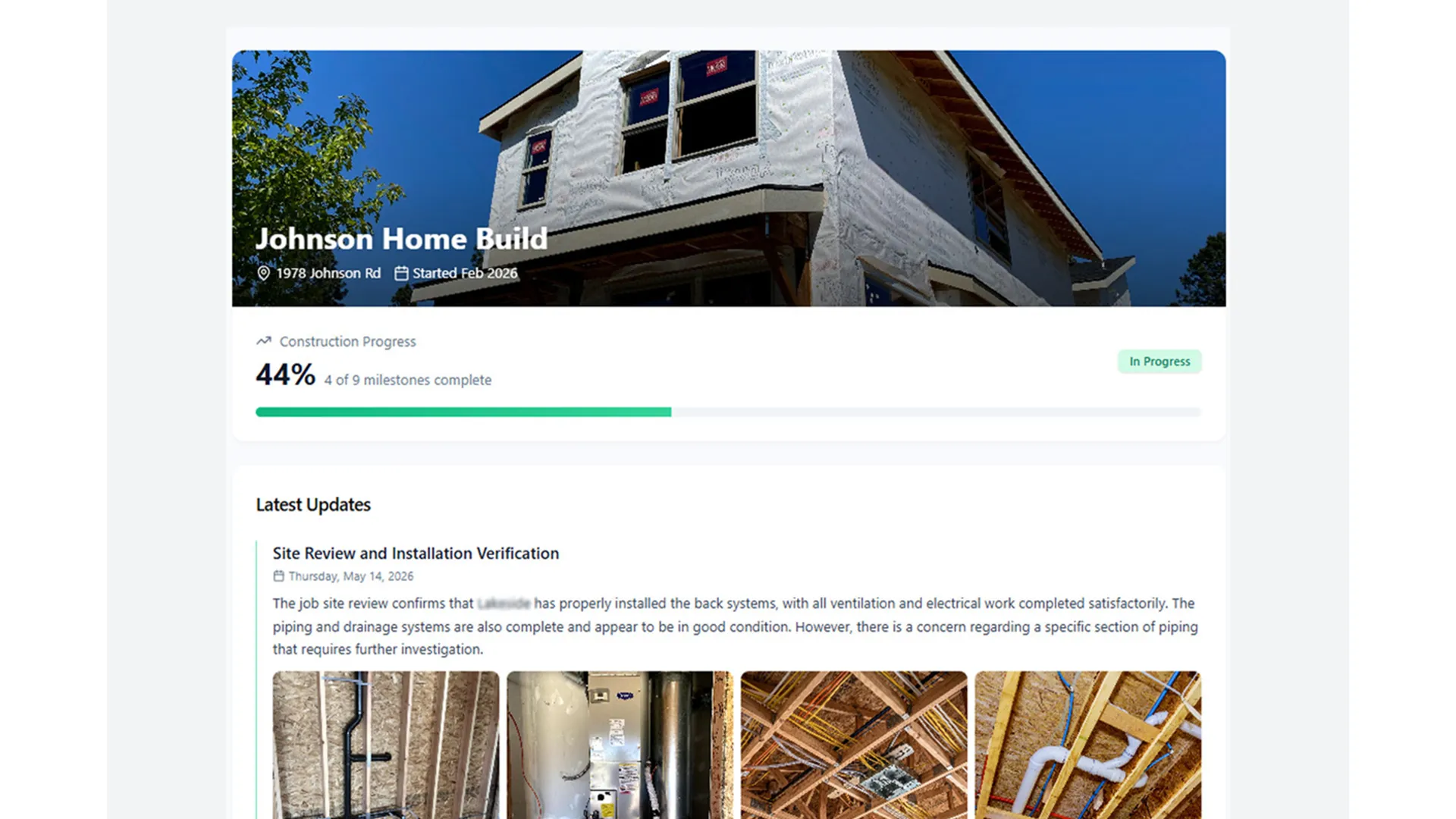
ACTABUILD organizes jobsite photos, field notes, milestones, project locations, issues, and annotations into a visual project record. When responsibilities change, the person stepping in has a clearer place to begin.
Build a project record that does not depend on one person's memory.
Frequently Asked Questions
Your content goes here. Edit or remove this text inline or in the module Content settings. You can also style every aspect of this content in the module Design settings and even apply custom CSS to this text in the module Advanced settings.
How does superintendent turnover affect a construction project?
When a superintendent leaves or is reassigned, the project can lose working knowledge about trade progress, field decisions, unresolved issues, upcoming inspections, and schedule-sensitive conditions. The replacement may need to reconstruct that information while continuing to manage the work.
How can construction photo documentation help during a superintendent transition?
Photo documentation gives the incoming superintendent a visual record of project conditions. When photos are connected to field notes, milestones, locations, issues, dates, and annotations, they can help explain what happened and where the project currently stands.
Can documentation replace a superintendent handoff meeting?
No. A direct handoff, site walk, and conversations with the project team remain valuable whenever they are possible. Organized documentation supports that process and provides a reference after the transition.
What should be documented before a superintendent leaves?
The record should include recent field activity, milestone status, unresolved issues, upcoming inspections and trade handoffs, delayed materials, significant decisions, location-based photos, and follow-up responsibilities.