
How Construction Documentation Builds Home Buyer Trust | ACTABUILD
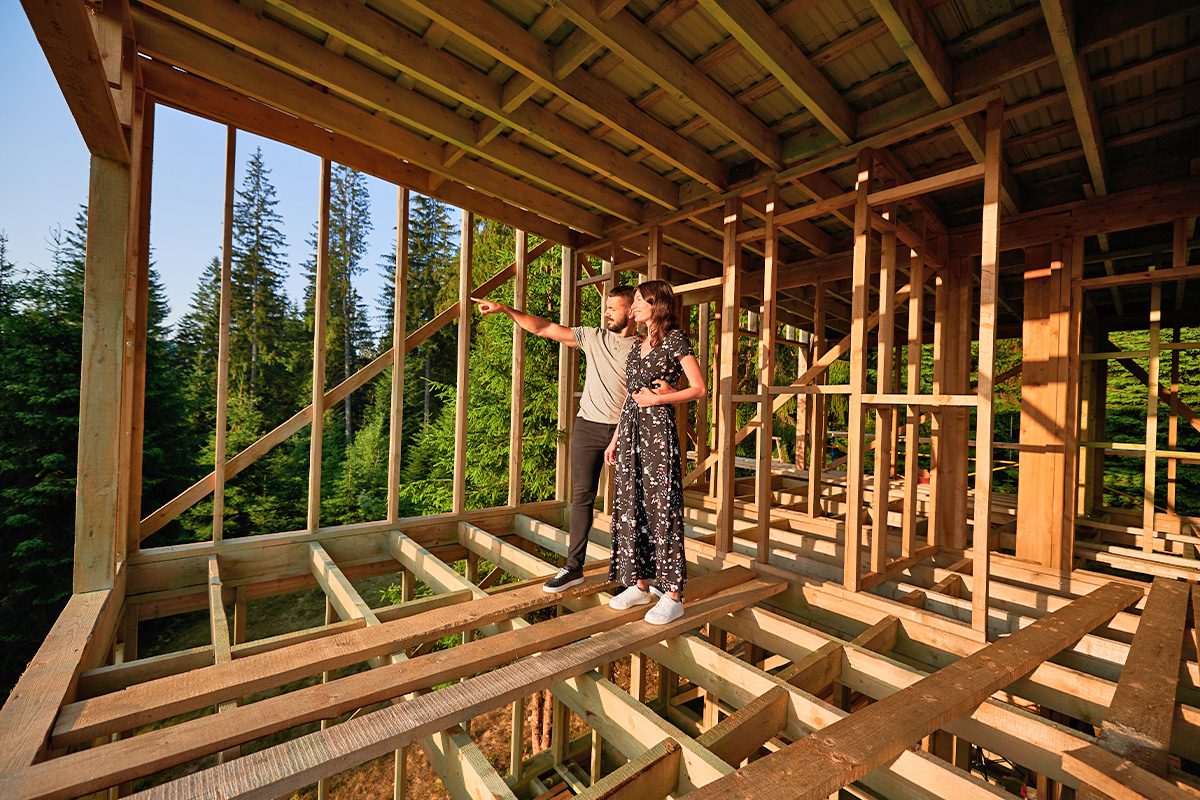
A finished home shows buyers the result. Construction documentation shows them what made that result possible.
Paint, flooring, cabinets, and fixtures may get the attention at closing, but they do not reveal the framing, rough-in work, waterproofing, insulation, or structural details that were covered along the way.
Home buyers are being asked to trust work they can no longer see. Milestone photos, field notes, and clear project updates give them something more concrete: a record of how their home came together.
Home Buyers Trust What They Can See
Most homeowners are not on the jobsite every day.
Even when they visit, they may not know exactly what they are looking at. A stage that looks messy or unfinished to a homeowner may actually be right on track. A phase that feels quiet may still involve important planning, scheduling, inspection, or trade coordination.
Without clear updates, silence can create uncertainty.

The homeowner may start wondering:
- What is happening now?
- What comes next?
- Why does this stage matter?
- Is the project moving forward?
- Should I be concerned about anything?
Those questions are normal.
A good builder can answer them. But a documented builder can show them.
Photos, field notes, milestone updates, and project records help turn invisible progress into something the homeowner can understand. Instead of asking the client to simply trust that progress is happening, documentation gives them a clear record of what was completed and why it matters.
The Work Behind the Walls Matters Most
Some of the most important construction work disappears before the home is finished.
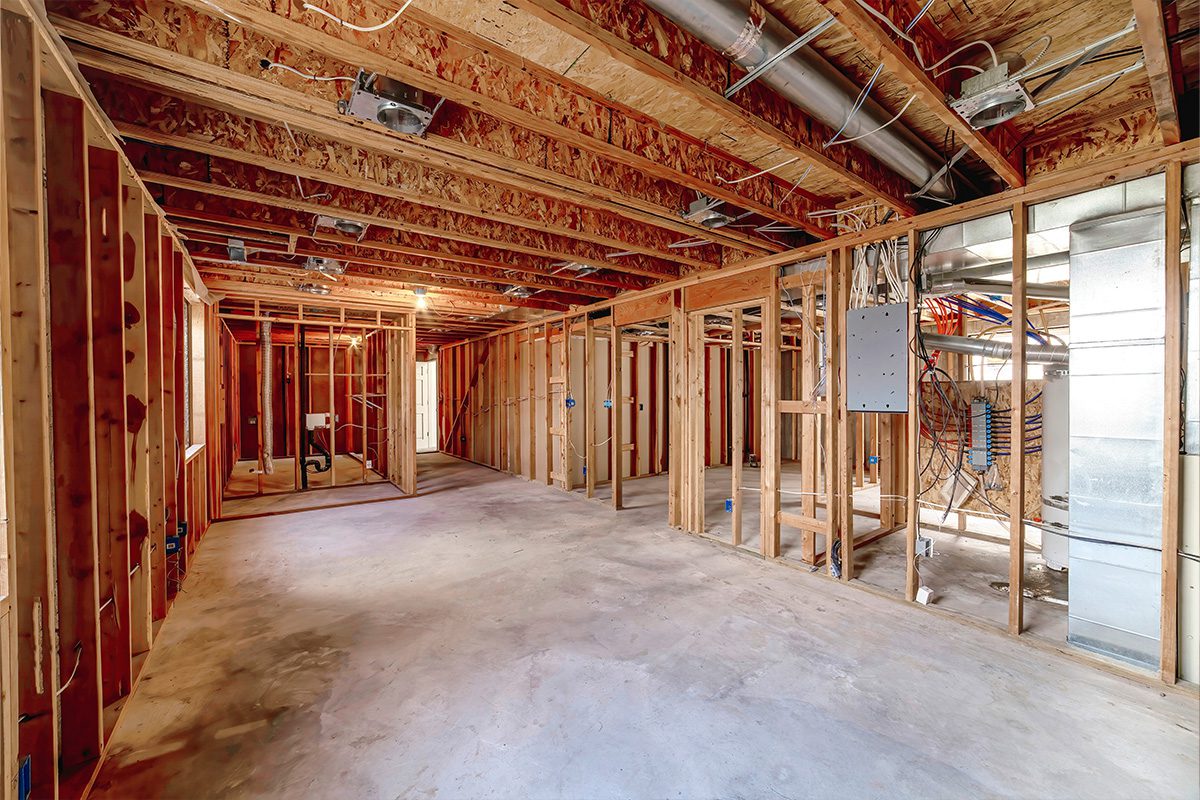
- Rough electrical gets covered.
- Plumbing lines get buried behind walls.
- HVAC runs disappear above ceilings.
- Blocking, framing details, waterproofing, insulation, and other key components become difficult or impossible to see later.
Once drywall goes up, much of that work is hidden.
That does not mean it becomes unimportant. In many ways, it becomes more important because it is harder to verify later.
This is where milestone documentation becomes valuable.
A clear record at foundation, framing, rough-in, pre-drywall, insulation, drywall, finishes, and pre-close gives the builder and homeowner something to reference. It helps show what happened before the next stage covered it up.
That kind of record can build confidence.
It can also reduce confusion when questions come up later.
Months after closing, a homeowner may want to mount cabinets, add shelving, or understand where plumbing and electrical lines run. When the builder can retrieve organized pre-drywall photos for that particular room, documentation continues providing value long after the keys are handed over.
Documentation Builds Confidence Before Closing
By the time a homeowner reaches the final walkthrough, most of the project is already complete.
At that point, they are usually looking at finishes, punch list items, and visible details. But the trust they feel at closing was shaped long before that.
Trust is built when they understand the process.
Trust is built when updates are clear.
Trust is built when the builder communicates before the homeowner has to ask.
Trust is built when the homeowner can look back and see how the home came together over time.
A construction record does not replace good craftsmanship. It supports it.
It helps the homeowner see that the builder was paying attention through each stage of the project.
Documentation Also Protects the Builder
Construction documentation is not only for the client.
It also helps the builder.
When photos are scattered across text messages, phones, folders, and random updates, they are hard to use later. But when documentation is organized by project, stage, room, location, or milestone, it becomes a real project record.
That record can help answer questions such as:
- When was this work completed?
- What did this area look like before drywall?
- Was this item addressed before the next phase?
- Where was this system located?
- What was communicated to the homeowner?
- What did the project look like at each major milestone?
For builders, this is not just about taking more photos.
It is about creating better proof.
A simple, organized documentation process can reduce repeated questions, improve client communication, support internal accountability, and create a clearer record from start to finish.
Better Documentation Creates a Better Client Experience
A homeowner does not need to understand every technical detail of construction to feel informed.
But they do need to feel like they are not being left in the dark.
Milestone updates help do that.
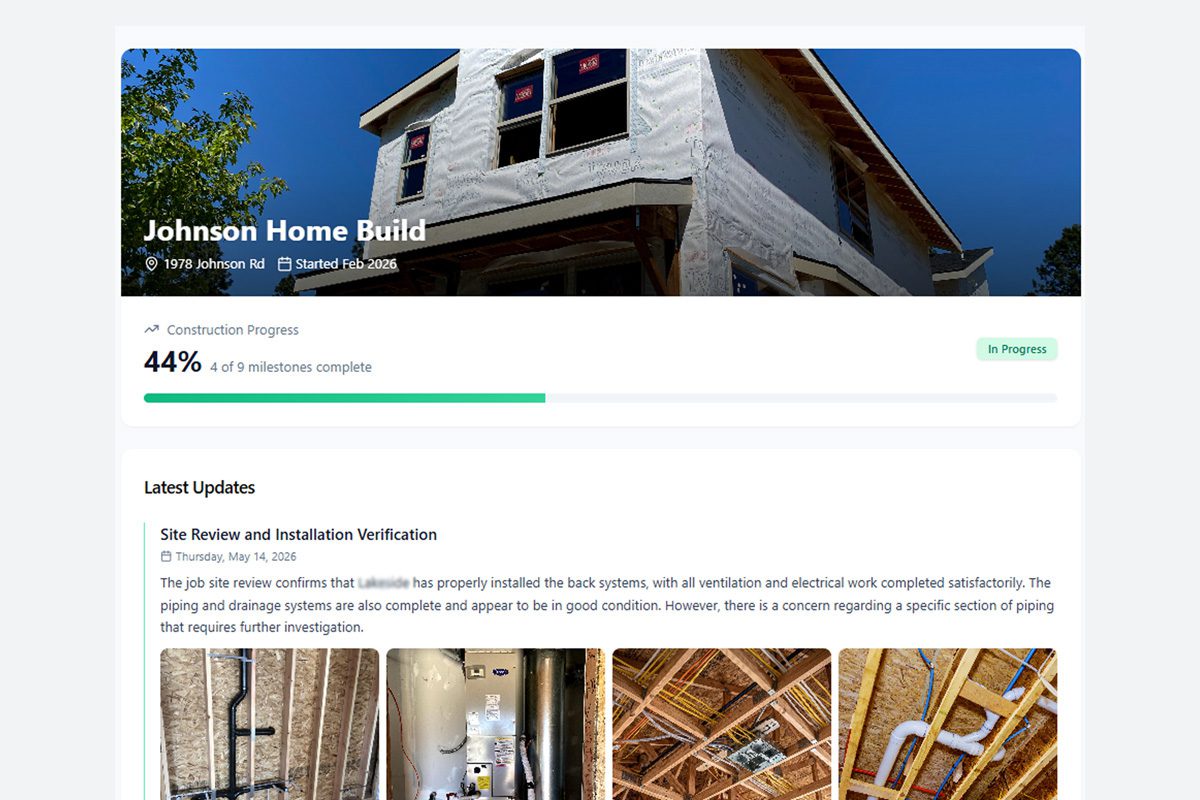
A good update does not need to be long. It can simply explain:
- What stage the project is in
- What work was completed
- Why that stage matters
- What is coming next
- What the homeowner should expect
When those updates include organized photos and notes, they become even more useful.
The homeowner can see progress. The builder can show the work. The project has a record.
That is how documentation becomes part of the client experience.
What You Document Becomes Part of the Story
Every build has a story.
There is the finished-home story that people see at the end.
But there is also the construction story: the work, planning, structure, systems, decisions, and details that made the finished home possible.
When that story is not documented, much of it disappears.
When it is documented, it becomes part of the trust the homeowner carries with them after the project is complete.
They are not just handed keys to a finished home.
They are shown the process that helped create it.
That matters.
Because in homebuilding, what you document is often what home buyers trust.
Get the Free Homeowner Milestone Update Email Campaign
Want an easier way to keep homeowners informed during a build?
Download the free Homeowner Milestone Update Email Campaign from ACTABUILD. It includes ready-to-use email templates builders can send at key stages of a construction project, from foundation through pre-close walkthrough.
Use it to create clearer communication, reduce repeated questions, and help homeowners feel confident throughout the build.