
Builders Risk Documentation: What Happens When a Project Burns to the Ground?
Imagine a construction project is moving along as expected.
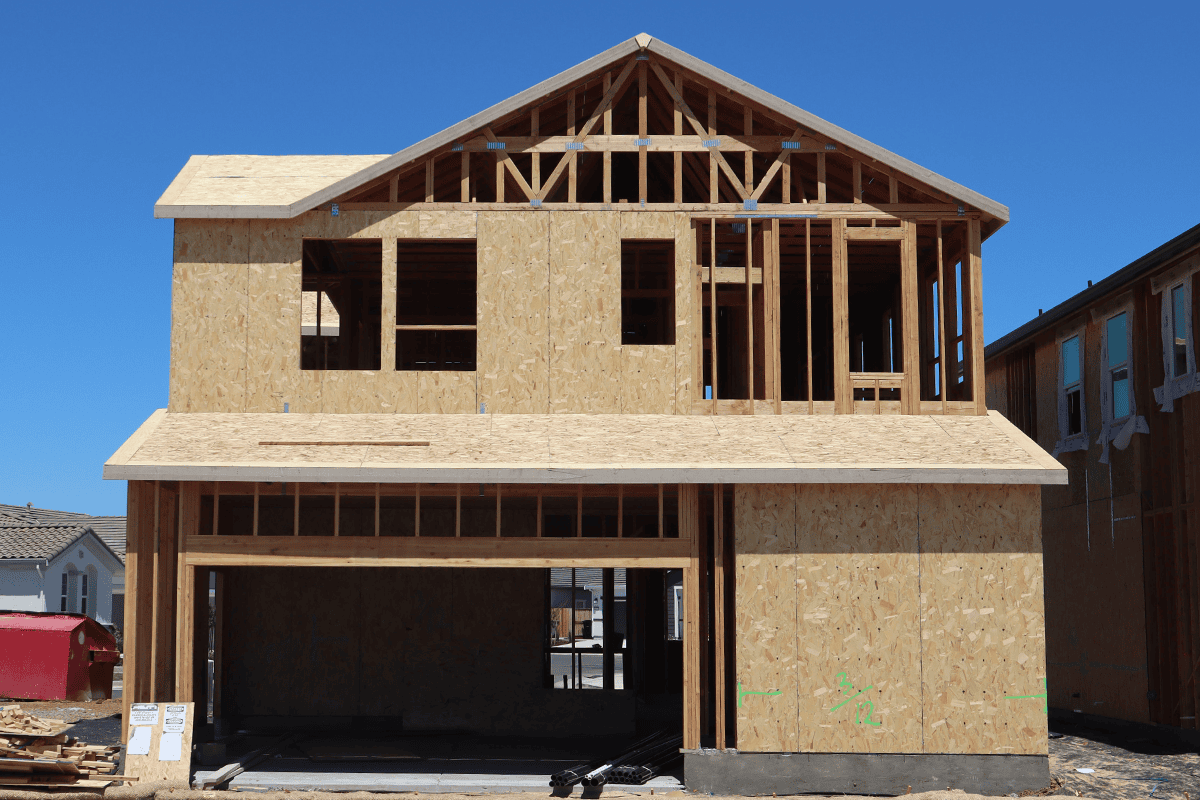
The foundation is complete. Framing is up. Rough plumbing, electrical, and HVAC are underway. Windows have been delivered. Materials are staged on site. The project is not finished, but a lot of money has already gone into the structure.
Then, overnight, a fire destroys the jobsite.
By morning, there is no clean walkthrough. No easy inspection. No simple way to point at the work and say, “This was installed,” “That was delivered,” or “This is how far along we were.”
The project team is left with a difficult question:
How do we prove what was there before the loss?
That is where builders risk documentation matters.
Builders risk documentation is the collection of construction records used to show what work was completed, what materials were present, and what condition the project was in before a covered loss. It may include dated photos, invoices, contracts, delivery records, schedules, daily logs, inspection records, and milestone reports.
How Project Records Can Support a Builders Risk Claim
Builders risk insurance is designed to help cover certain property while a project is under construction. But after a major loss, coverage is not only about the policy. It is also about the documentation that supports the claim.
A sample builder’s risk coverage form describes covered property as property that “has been installed, or is to be installed” at the reported location. That distinction matters because a loss may involve both work already built into the structure and materials sitting on site waiting to be installed.
If a project burns down, the claim may need to account for framing, mechanical systems, electrical rough-in, plumbing, exterior work, stored materials, temporary structures, and other jobsite property. The stronger the documentation, the easier it is to explain what existed before the fire.
Photos do not replace contracts, invoices, delivery tickets, schedules, or policy review. But they can give those records visual support.
The Hardest Part Is Proving the Point of Completion
After a fire, one of the biggest issues is proving how far along the project was before the loss.
The sample policy states that, in the event of loss, the value of the property is determined “as of the time of the loss.” It also says the value is based on the amount needed to replace or repair the structure to the same point of completion achieved immediately before the loss.
That is a critical idea for builders and general contractors.
If the project was 35% complete, 55% complete, or 70% complete, the documentation needs to help support that reality. After a fire, it may be difficult to prove progress by walking the site. The evidence may need to come from the records created before the loss happened.
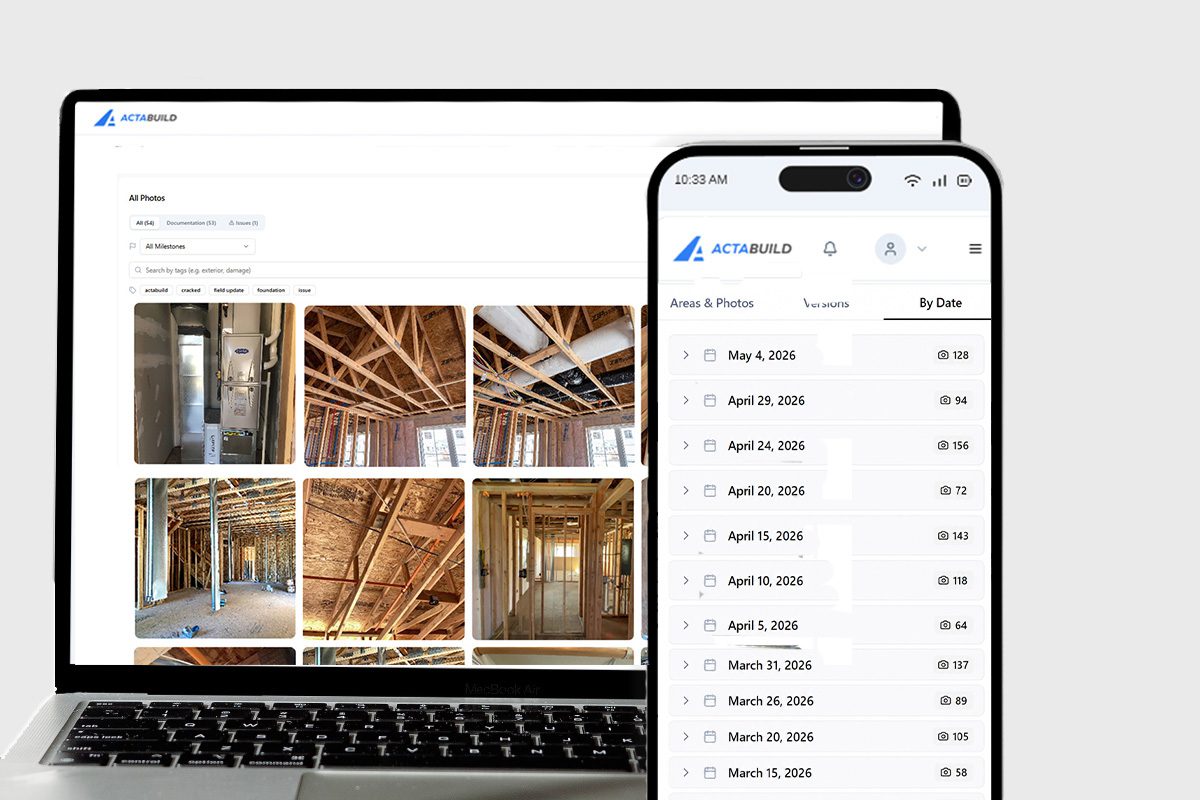
That is why dated milestone photos are valuable.
They help show the project’s condition at specific points in time.
Pre-Drywall Photos Can Become Critical Evidence
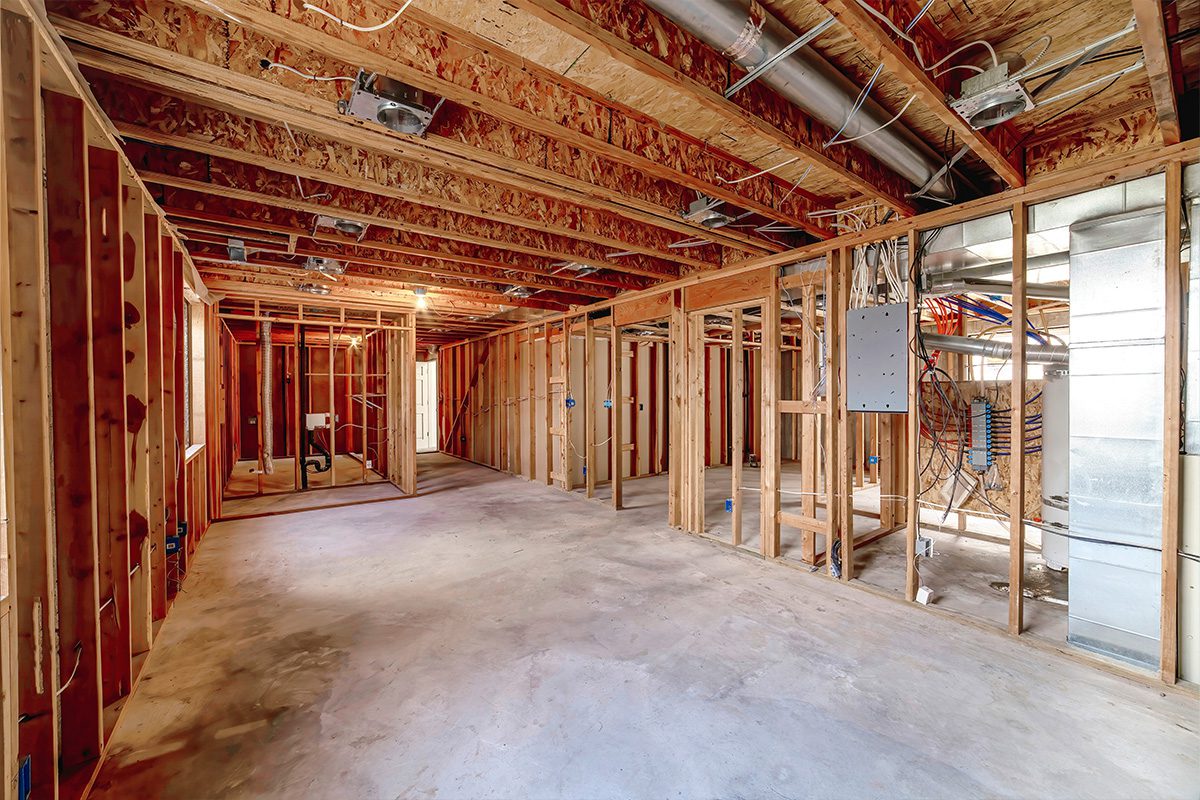
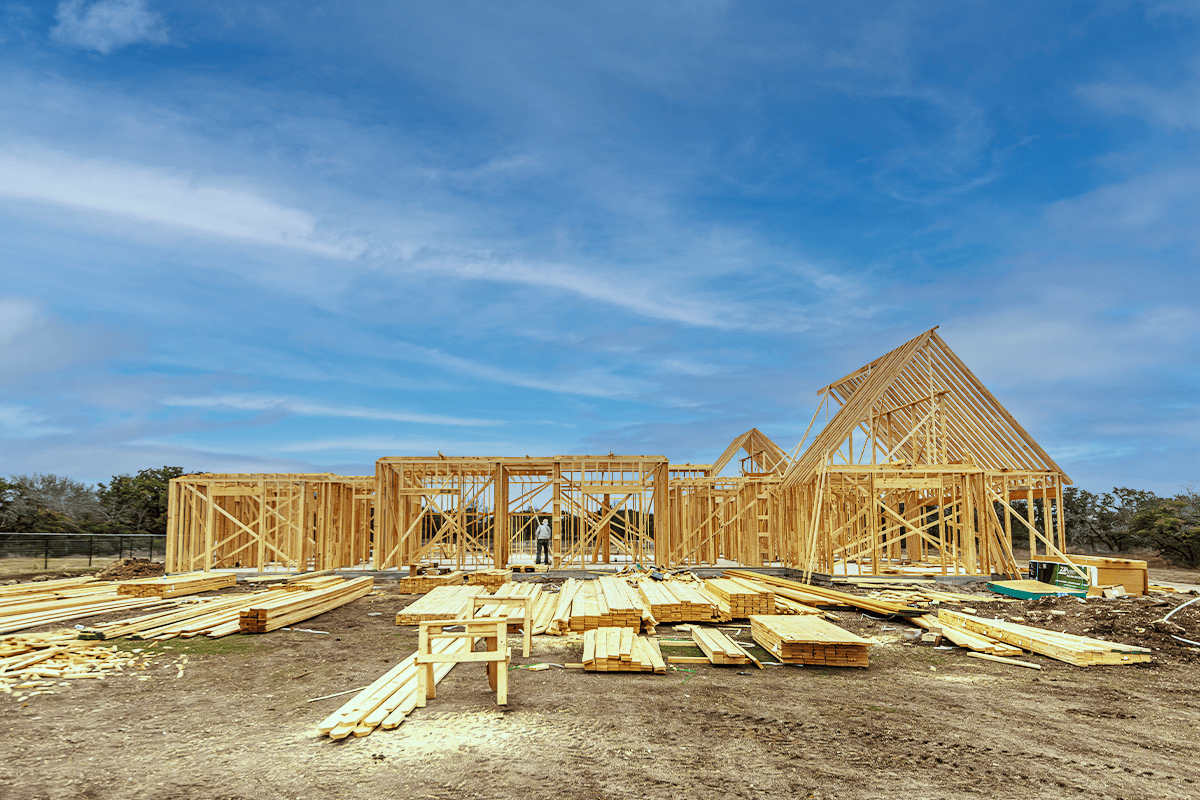
Pre-drywall documentation is one of the most important records a construction team can capture.
Before drywall, the jobsite reveals details that will later be hidden: framing connections, rough electrical, plumbing lines, HVAC ducting, fire blocking, insulation, low-voltage wiring, structural details, and other in-wall work.
If a fire destroys the project before drywall, there may be little left to inspect.
Without pre-drywall photos, the team may have to rely on subcontractor statements, invoices, schedules, or memory to explain what was complete. Those records may help, but visual proof can provide important context.
A photo taken at the right milestone can answer questions that are otherwise hard to settle later:
- Was the rough-in complete?
- Which rooms had work installed?
- Were materials already incorporated into the structure?
- What stage had the project reached before the fire?
- What systems were visible before they were damaged or destroyed?
Pre-drywall photos are not just progress updates. They are a visual record of hidden work.
Stored Materials Need Documentation Too
A fire does not only damage installed work.
It can also destroy materials that were delivered but not yet installed.
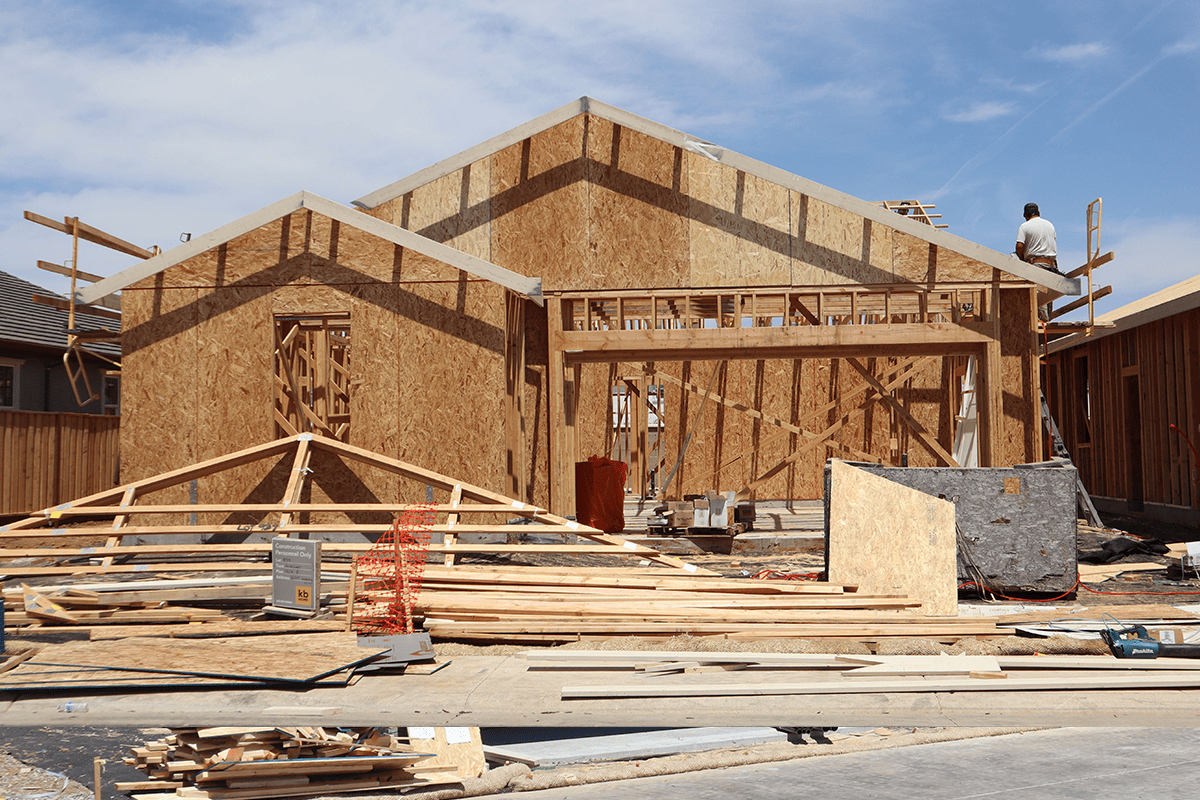
Windows, doors, cabinets, appliances, lumber, roofing materials, fixtures, mechanical equipment, electrical gear, insulation, and other high-value items may be sitting on site before they become part of the structure.
The sample policy makes a separate point about uninstalled building materials, stating that if a loss involves building materials that have not been installed, the value is based on the amount necessary to replace them with comparable type or quality.
That makes material documentation important.
Photos of deliveries, stored materials, labels, staging areas, equipment, and exterior site conditions can help show what was physically present before the loss.
A stack of windows in the garage may not seem important on a normal Tuesday.
After a fire, that photo may matter.
The Policy May Expect Accurate Construction Records
Documentation is not just a best practice. In some policies, accurate records are part of the reporting expectations.
The sample builder’s risk form states that the insured will keep accurate construction records regarding covered property, including the total estimated completed value and records of contracts of sale.
That does not mean every policy uses the same wording. Policy terms vary, and contractors should review their own coverage with their insurance professional.
But the principle is clear:
A construction project needs a record.
That record should not be built after the loss. It should be built while the project is being built.
The Problem With Scattered Jobsite Photos
Most construction teams are already taking photos.
The problem is that those photos are often scattered.
They may be sitting in:
- A superintendent’s camera roll
- Text messages
- Email attachments
- Shared drives
- Subcontractor updates
- Project management comments
- Random folders
- Personal devices
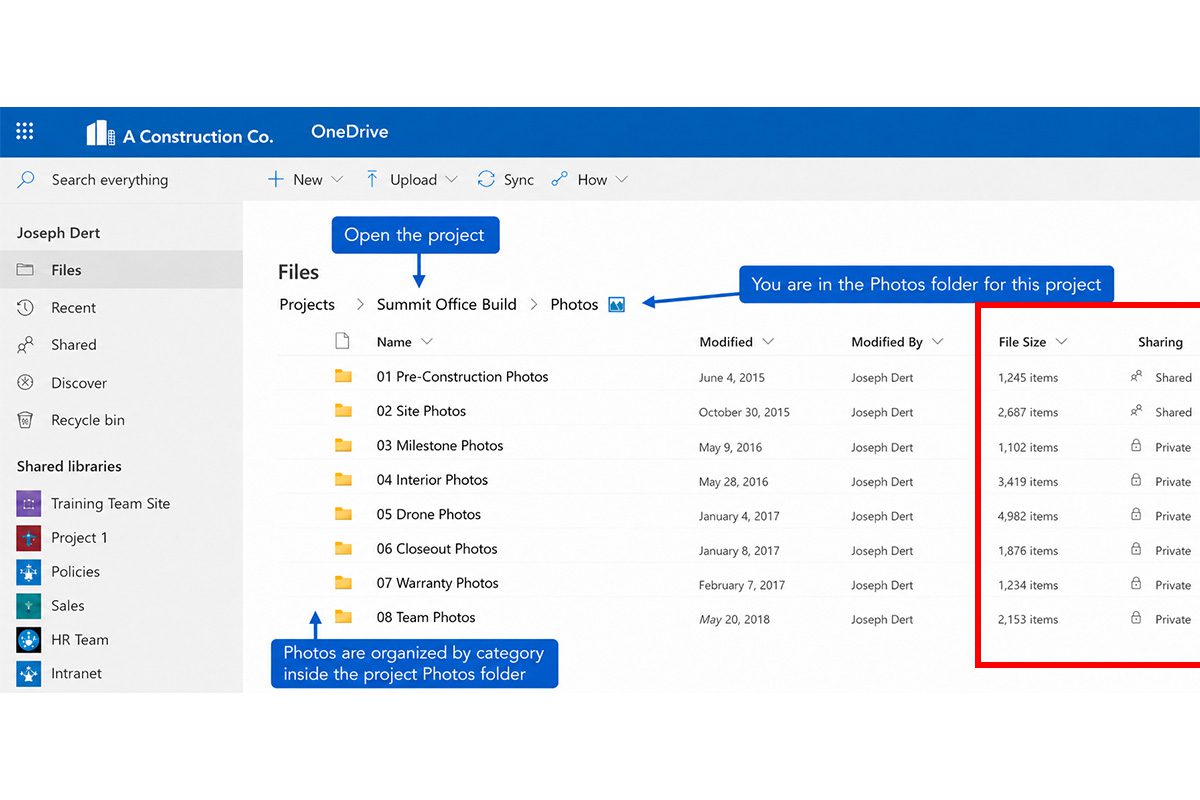
That might work for a quick update, but it becomes a problem when the team needs to reconstruct the project timeline after a fire.
The question is not simply, “Did anyone take photos?”
The better question is:
Can we find the right photos, from the right date, tied to the right milestone, location, and project record?
If the answer is no, the documentation may not be as useful as the team hoped.
What Builders Risk Documentation Should Include
Every project is different, but a strong builders risk documentation process should include more than occasional progress photos.
- Capture date and time
- Project and jobsite location
- Room, floor, unit, or area
- Construction milestone
- Description of the work shown
- Material labels, model numbers, or quantities when appropriate
- Delivery and storage location
- Supporting invoice or delivery ticket
- Person or company providing the record
- Secure backup and retention process
| Document | What It Can Help Establish |
|---|---|
| Dated milestone photos | Project condition and completion stage |
| Pre-drywall photos | Installed work that later became concealed |
| Delivery photos and tickets | Materials present at the jobsite |
| Invoices and contracts | Costs, scope, and purchased materials |
| Daily logs | Work performed and site activity |
| Inspection records | Milestones reached before the loss |
Construction teams should consider documenting:
- Site conditions before work begins
- Foundation and underground work
- Framing progress
- Rough plumbing
- Rough electrical
- Rough HVAC
- Fire blocking and structural details
- Insulation
- Pre-drywall conditions
- Exterior progress
- Stored materials
- Major deliveries
- Installed equipment
- Temporary structures
- Site access and staging areas
- Inspection milestones
- Issue photos
- Final conditions before turnover
The goal is not to take endless photos with no purpose.
The goal is to create a usable project record.
Documentation Helps Answer the Claim Questions
After a major fire, the project team may need to answer questions like:
What work had been completed?
What was installed?
What materials were stored on site?
What had been delivered but not installed?
What stage was the project in?
What areas were affected?
What records support the value of the loss?
Good documentation helps answer those questions with more confidence.
It creates a bridge between the construction schedule, invoices, delivery records, daily logs, and the actual condition of the jobsite before the loss.
Build the Proof Before You Need It
No contractor wants to imagine a project burning to the ground.
But the worst time to start thinking about documentation is after the fire trucks leave.
At that point, the team is trying to recreate what used to be there.
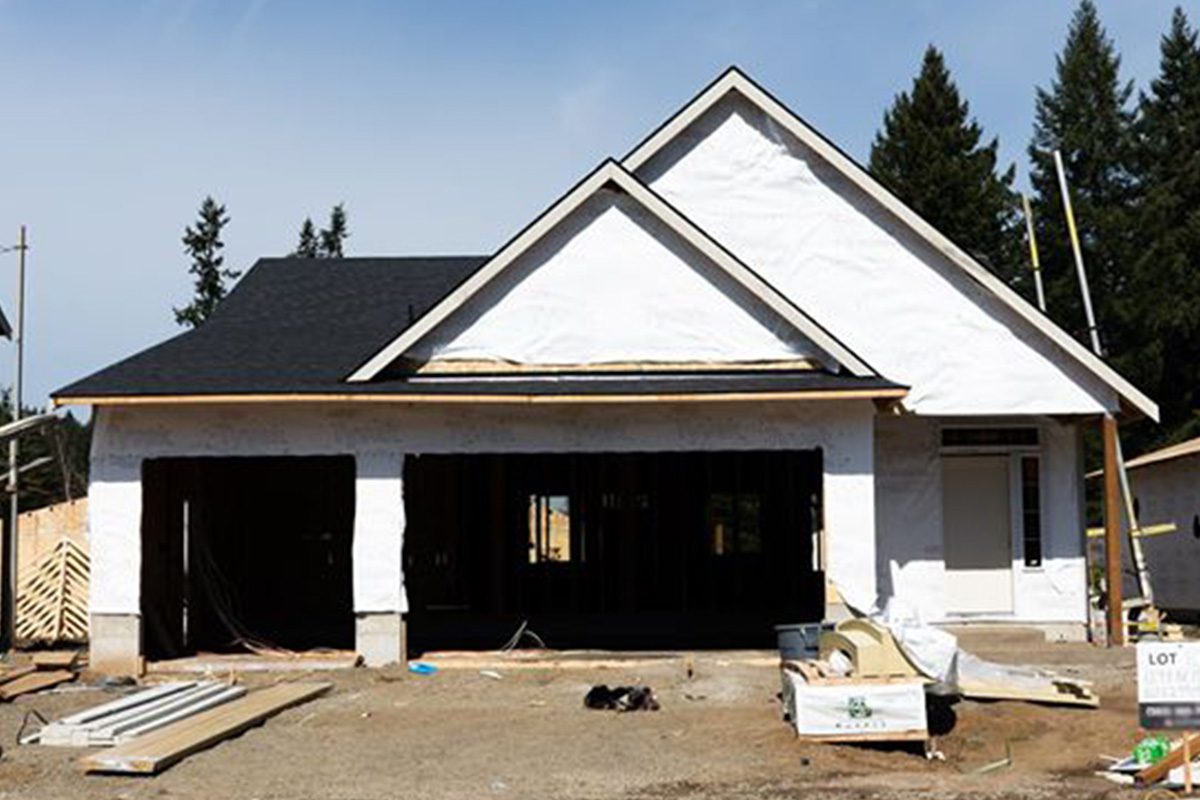
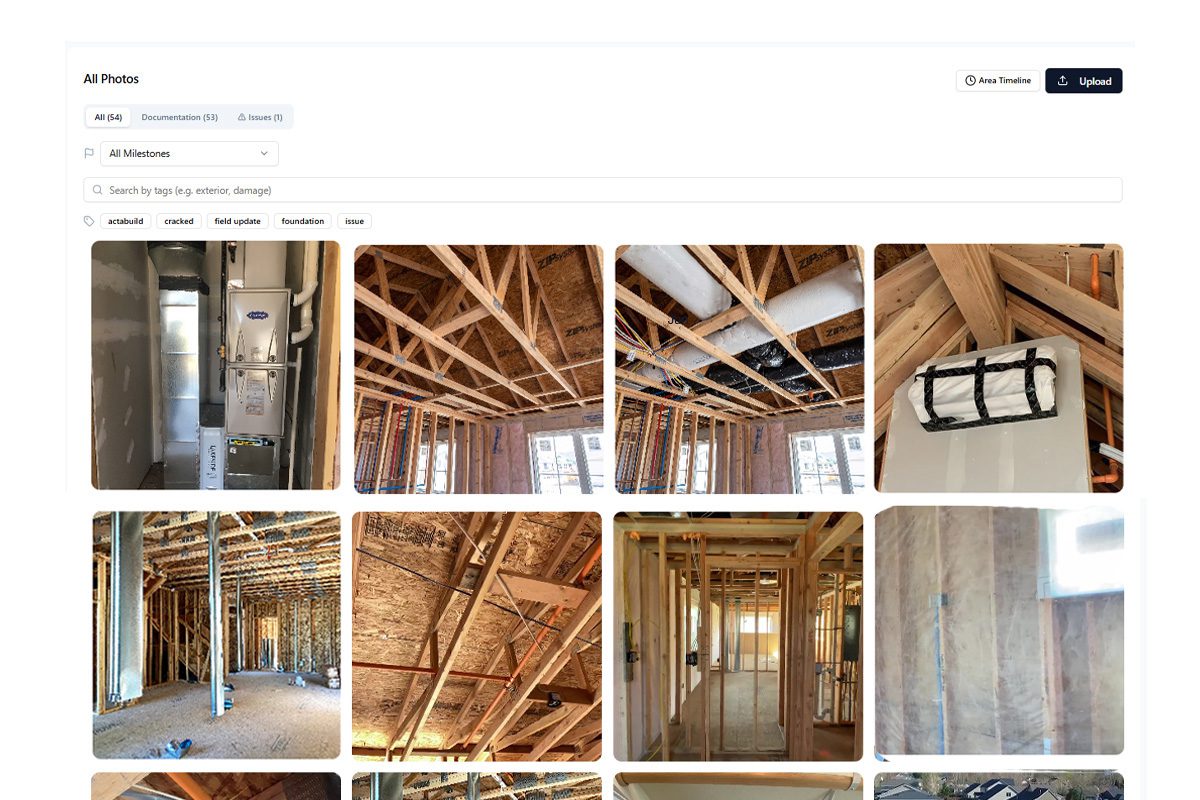
A better approach is to document the project as it progresses. Capture the milestones. Photograph the hidden work. Record stored materials. Keep exterior site photos. Organize everything by project, date, location, and stage.
Because when something goes wrong, the quality of the record matters.
Make Builders Risk Documentation Part of the Jobsite Process
Builders risk documentation should not depend on memory, habit, or scattered photos.
It should be part of the normal jobsite rhythm.
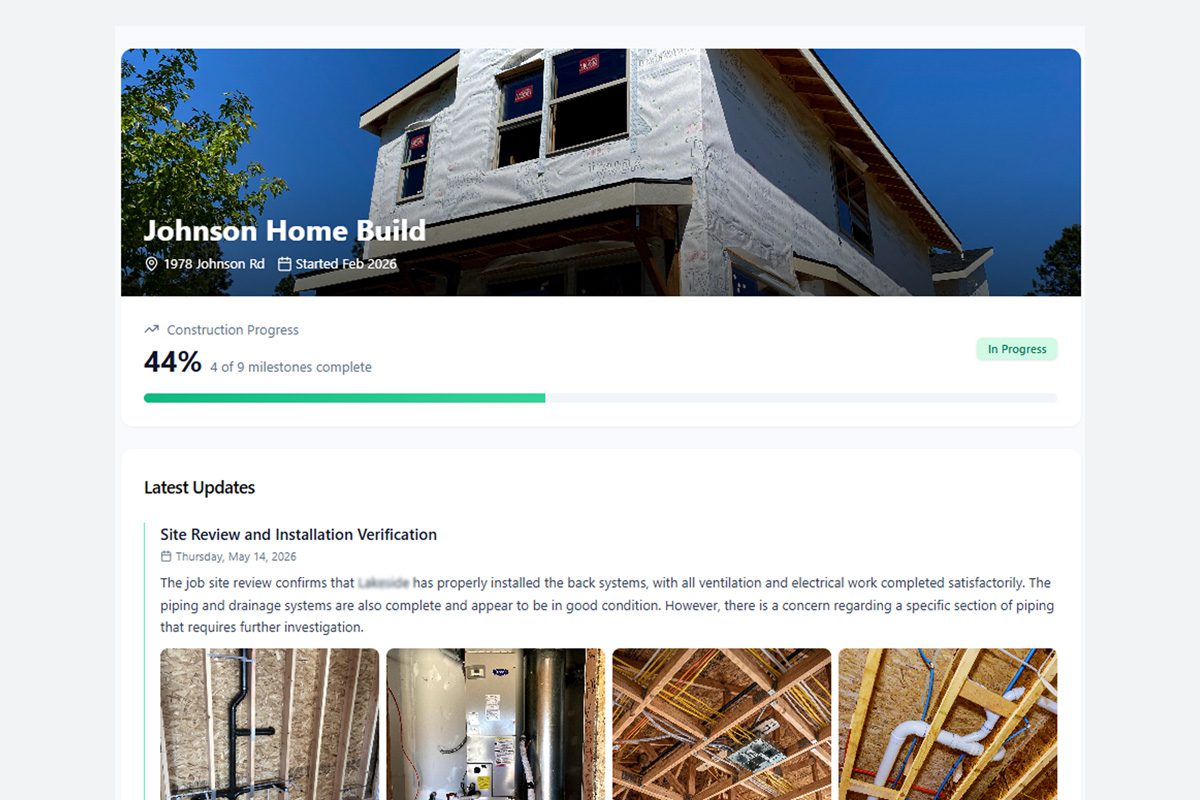
ACTABUILD helps construction teams organize jobsite photos, pre-drywall documentation, exterior progress photos, stored material records, issue photos, and milestone updates so important project information is easier to find when it matters most.
A fire can destroy the jobsite.
It should not destroy the project record.
Disclaimer: This content is provided for general informational purposes only and should not be considered legal, insurance, or financial advice. Builders risk coverage, policy terms, and claim requirements vary by insurer, jurisdiction, and project. Always consult your insurance carrier, broker, attorney, or other qualified professional regarding your specific situation.