
Jobsite Documentation for Construction Projects

Construction moves fast. Details get covered up. Photos get buried in text messages. Field updates get scattered across emails, spreadsheets, and phone calls.
ACTABUILD helps builders, contractors, and construction teams create a clearer record of the jobsite with organized photos, 360 walkthroughs, field notes, and milestone documentation.
Whether you need better internal records, clearer owner updates, or a simpler way to document what happened on site, ACTABUILD helps turn everyday jobsite activity into useful project documentation.
What Is Jobsite Documentation?
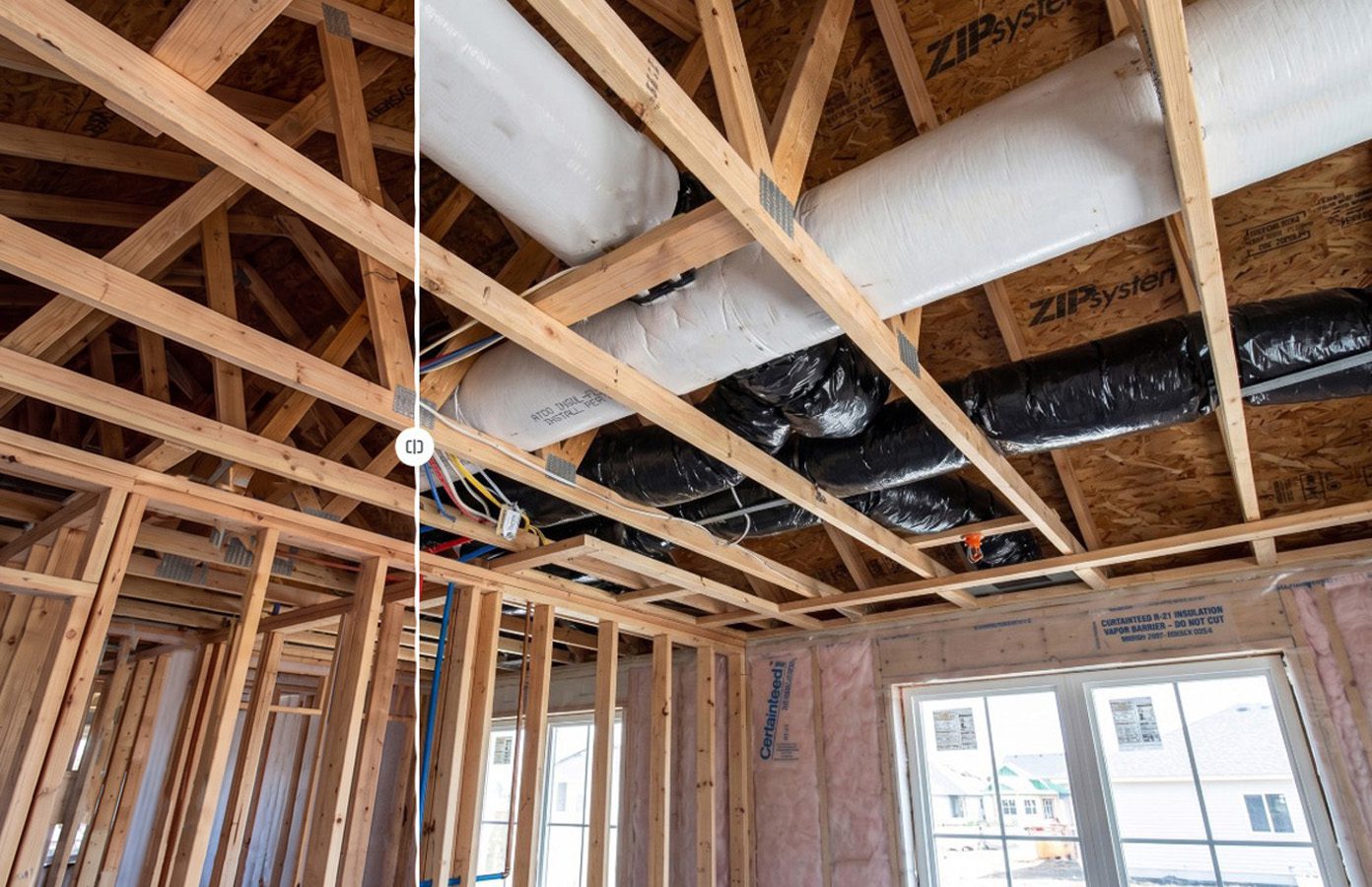
Jobsite documentation is the process of capturing and organizing important project information throughout a construction project.
That can include photos, 360 images, field notes, progress updates, inspection records, issue tracking, milestone reports, and closeout documentation.
Good jobsite documentation answers simple but important questions:
What work was completed?
- When was it completed?
- Who was involved?
- What did the jobsite look like at each stage?
- Were any issues found?
- What needs to happen next?
- Where are the photos, notes, and records when someone needs them later?
The goal is not just to take more photos. The goal is to create a clear, searchable, useful record of the project.
Why Jobsite Documentation Matters
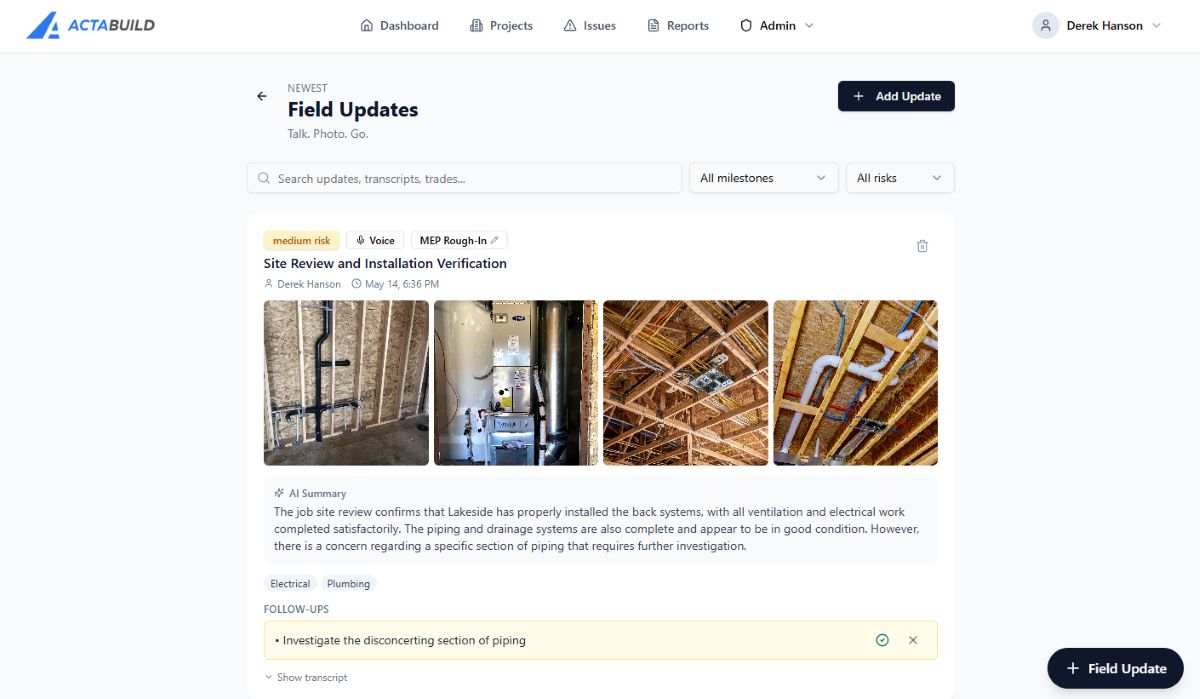
A construction project has hundreds of moving pieces. Once work gets covered up, hidden, or completed, it becomes harder to verify what happened.
That is why documentation matters.
A clear jobsite record can help teams:
Reduce confusion between the field and office
Answer owner questions faster
Document work before it gets covered up
Track progress across key milestones
Create better photo reports
Support warranty and service questions later
Reduce back-and-forth phone calls
Improve accountability across teams
Keep important project details from getting lost
Most construction teams are already taking photos. The problem is that the photos are often scattered across phones, text threads, cloud folders, and emails.
ACTABUILD helps organize that information into a project record that is easier to understand, share, and use.
The Problem With Most Jobsite Documentation

Most construction documentation breaks down for one of three reasons.
1. Photos are taken, but not organized
Someone on site takes the right photo, but later nobody can find it. It might be on a phone, in a text message, inside a folder, or buried in a long thread.
2. Updates require too much manual work
Field teams are busy. If documenting the job requires logging into a complicated system, writing long updates, or filling out repetitive spreadsheets, it often gets skipped or delayed.
3. The people who need the information do not have it
Owners, project managers, superintendents, builders, trades, and office teams often need different views of the same project. Without a clear system, everyone ends up asking for updates separately.
ACTABUILD is designed to make jobsite documentation easier to capture, organize, and share.
What Should Be Documented on a Jobsite?
The best jobsite documentation captures the project at important stages, especially before work is covered up or hard to access.
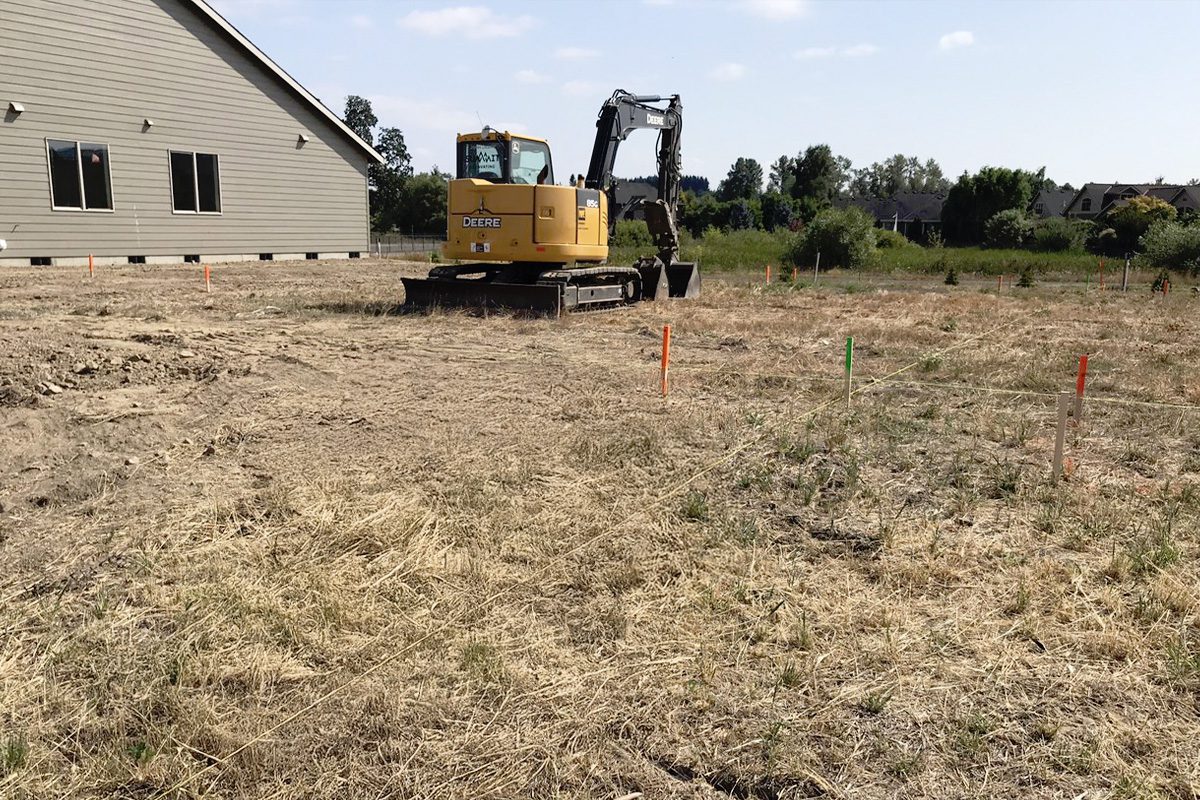
Site Conditions
Existing conditions
Access points
Material staging
Site prep
Excavation
Weather-related conditions
Potential hazards or constraints
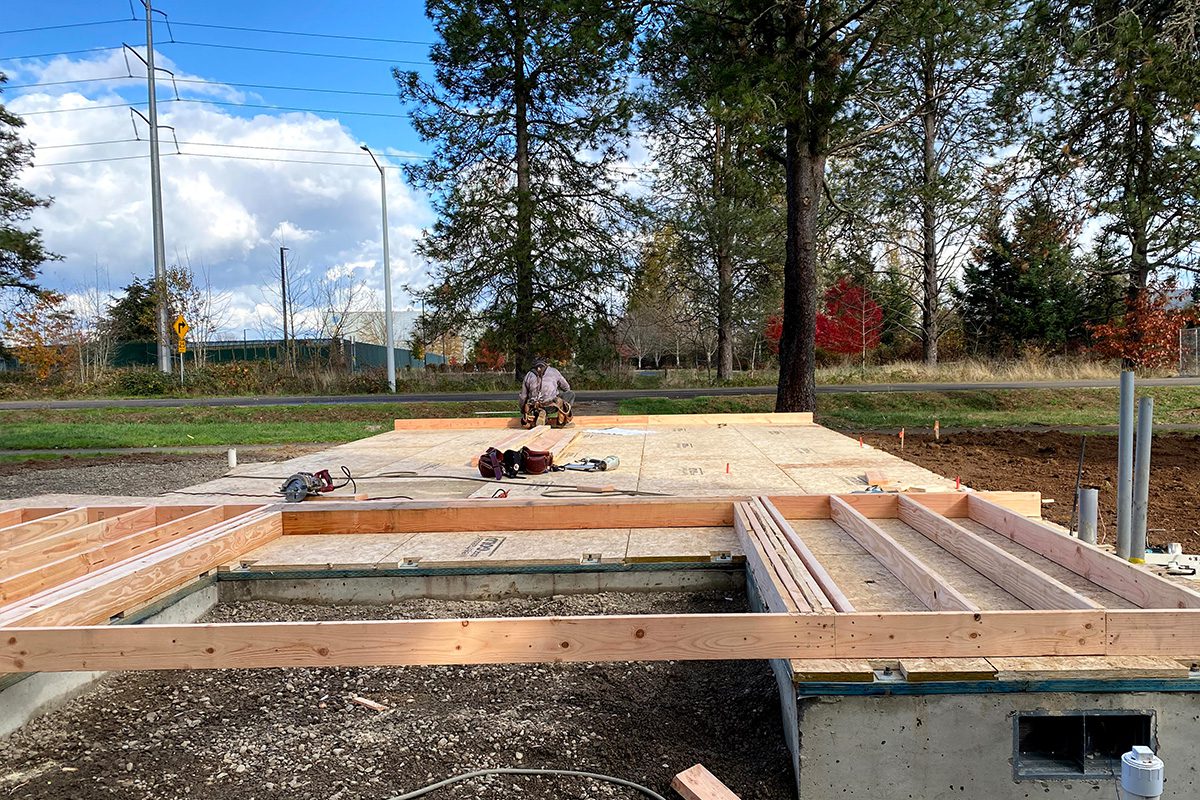
Foundation and Structural Work
Footings
Foundation walls
Slabs
Framing
Shear walls
Structural connections
Blocking
Beams, posts, and load-bearing details
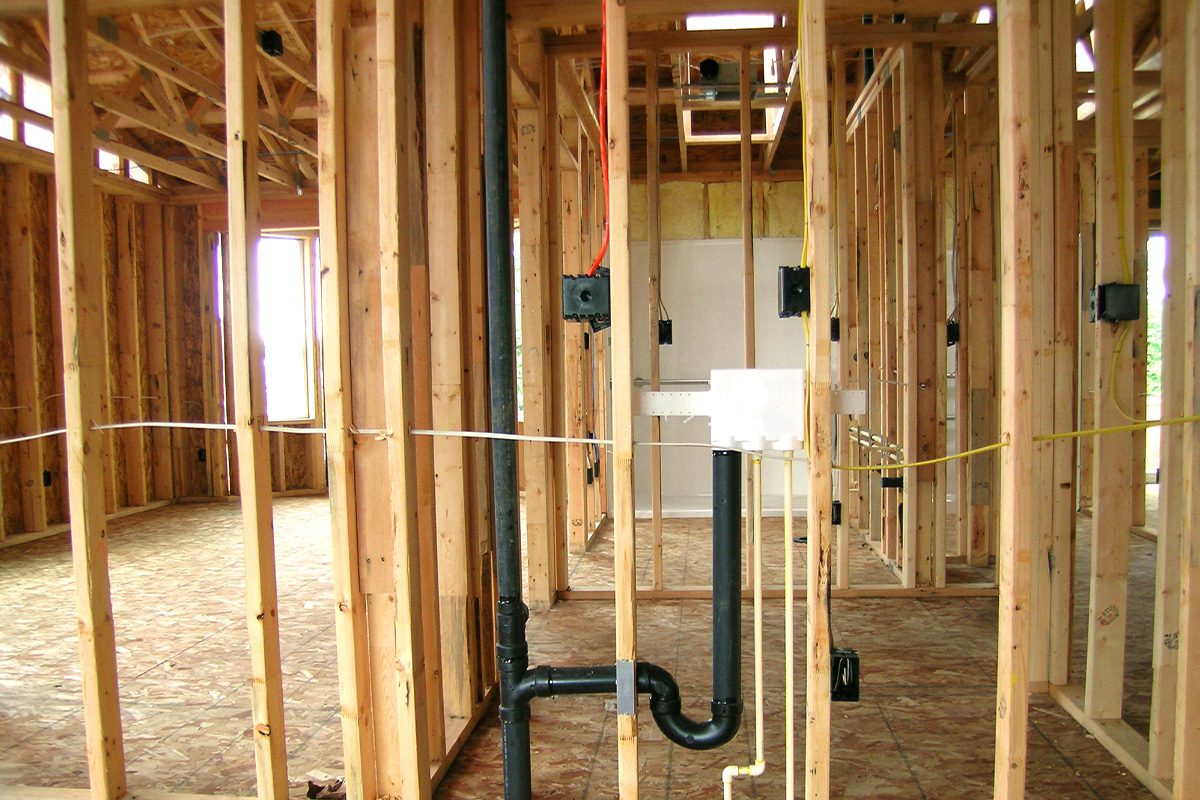
Rough-In Work
Electrical rough-in
Plumbing rough-in
HVAC rough-in
Low-voltage wiring
Mechanical systems
Utility locations
Pipe and wire routing
Behind-the-wall details
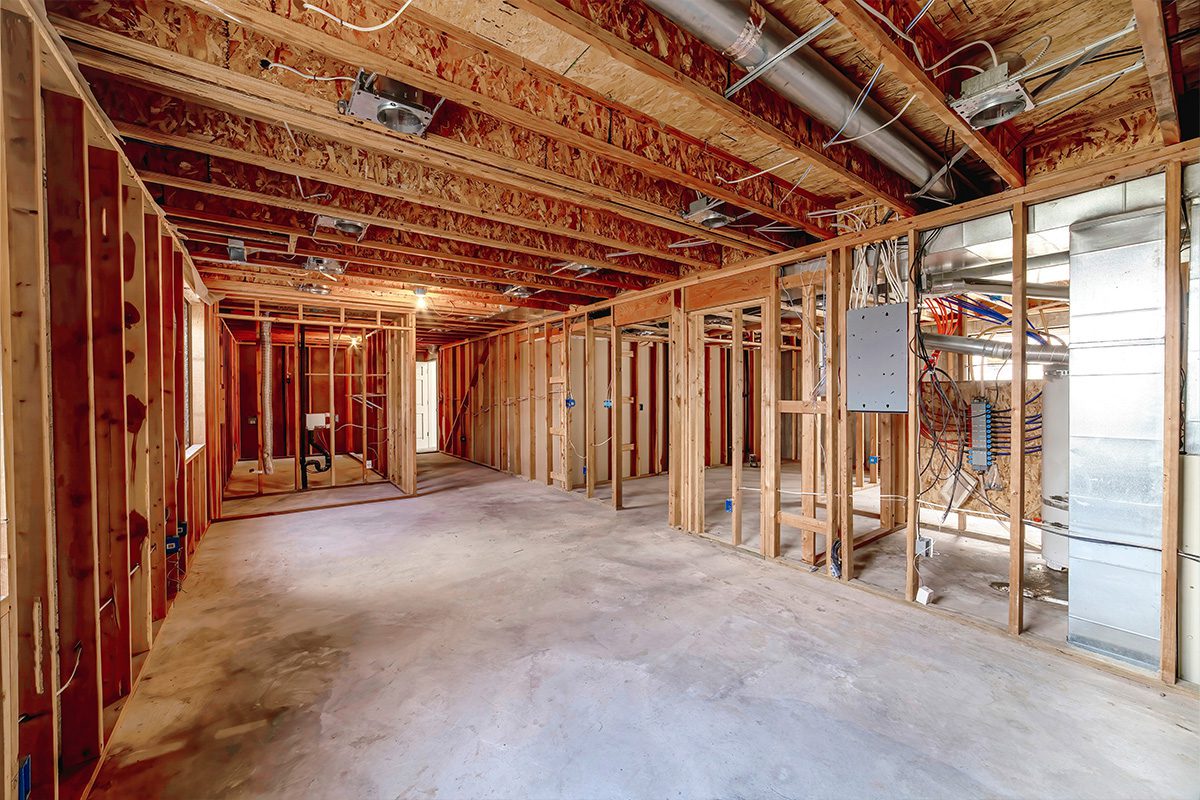
Pre-Drywall Conditions
Wall cavities
Insulation
MEP locations
Blocking locations
Framing details
Tub and shower valve locations
Vent runs
Ceiling and attic conditions
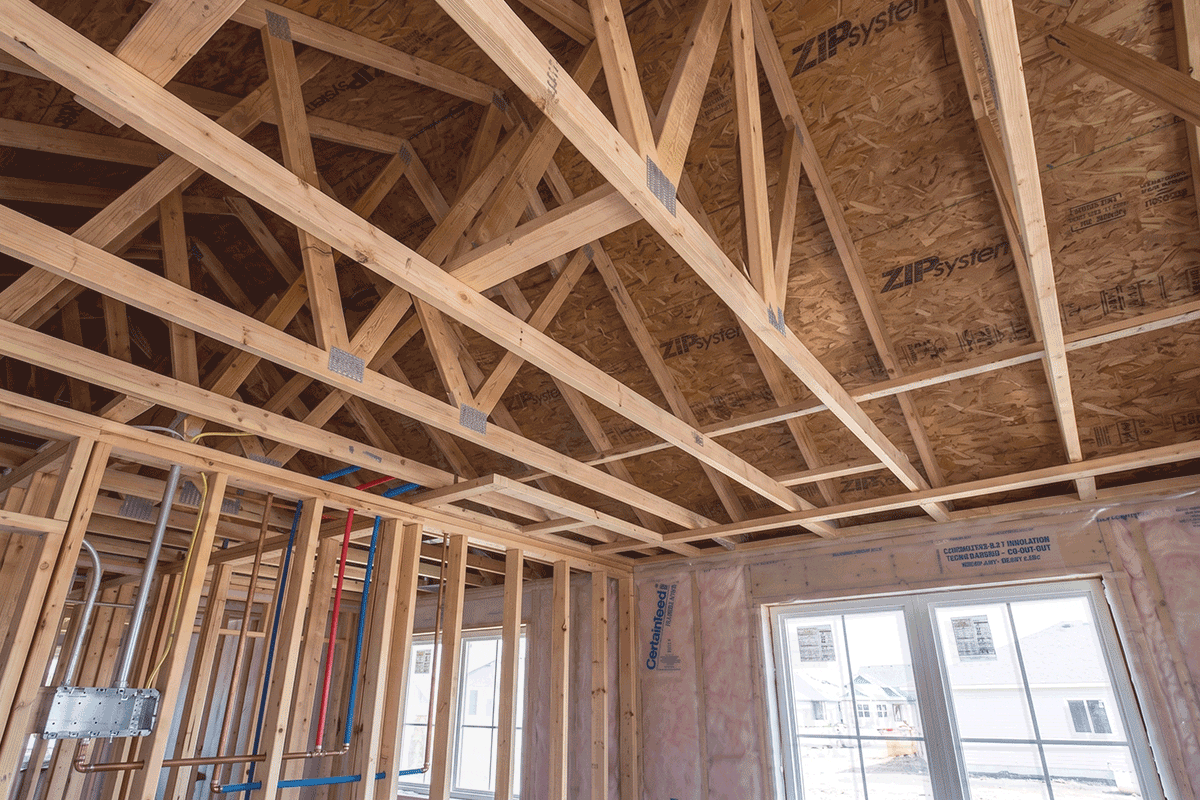
Progress Milestones
Foundation complete
Framing complete
Rough-in complete
Insulation complete
Drywall complete
Finish work
Punch list
Pre-close or turnover
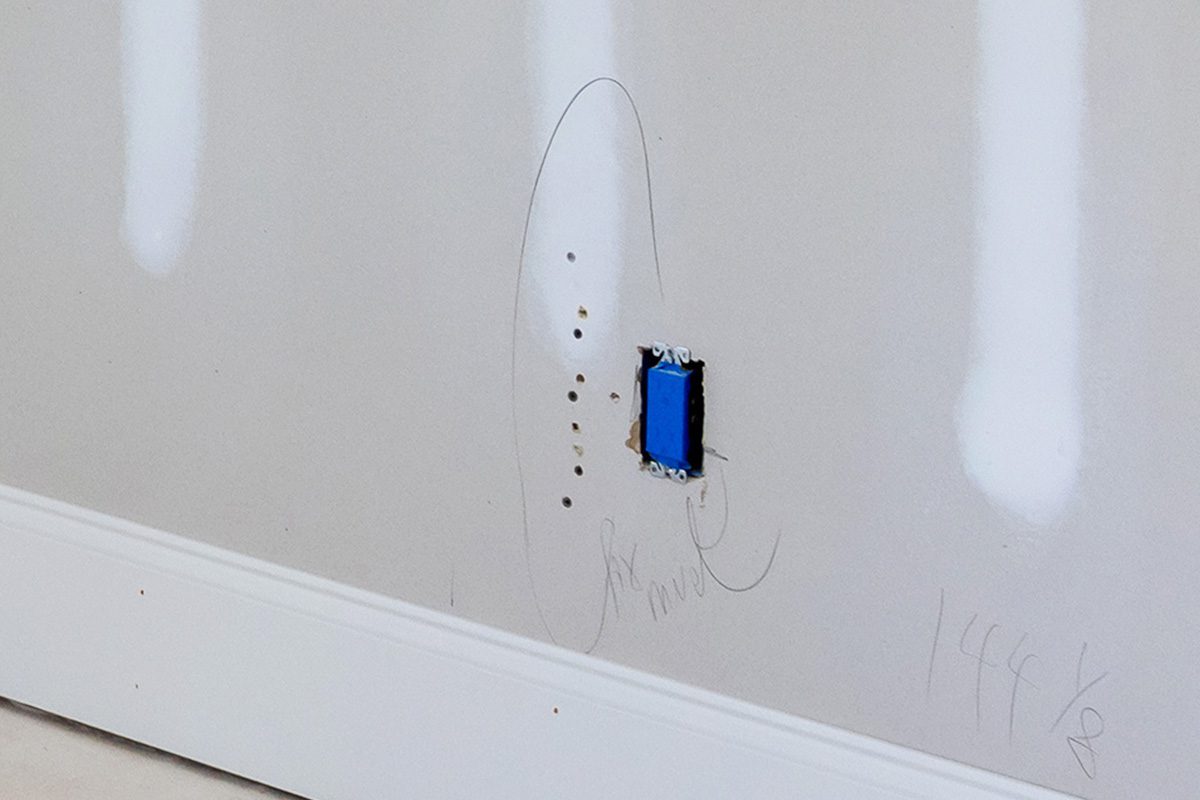
Issues and Changes
Open issues
Damage
Rework
Change requests
Inspection corrections
Missed details
Resolved items
Before-and-after documentation
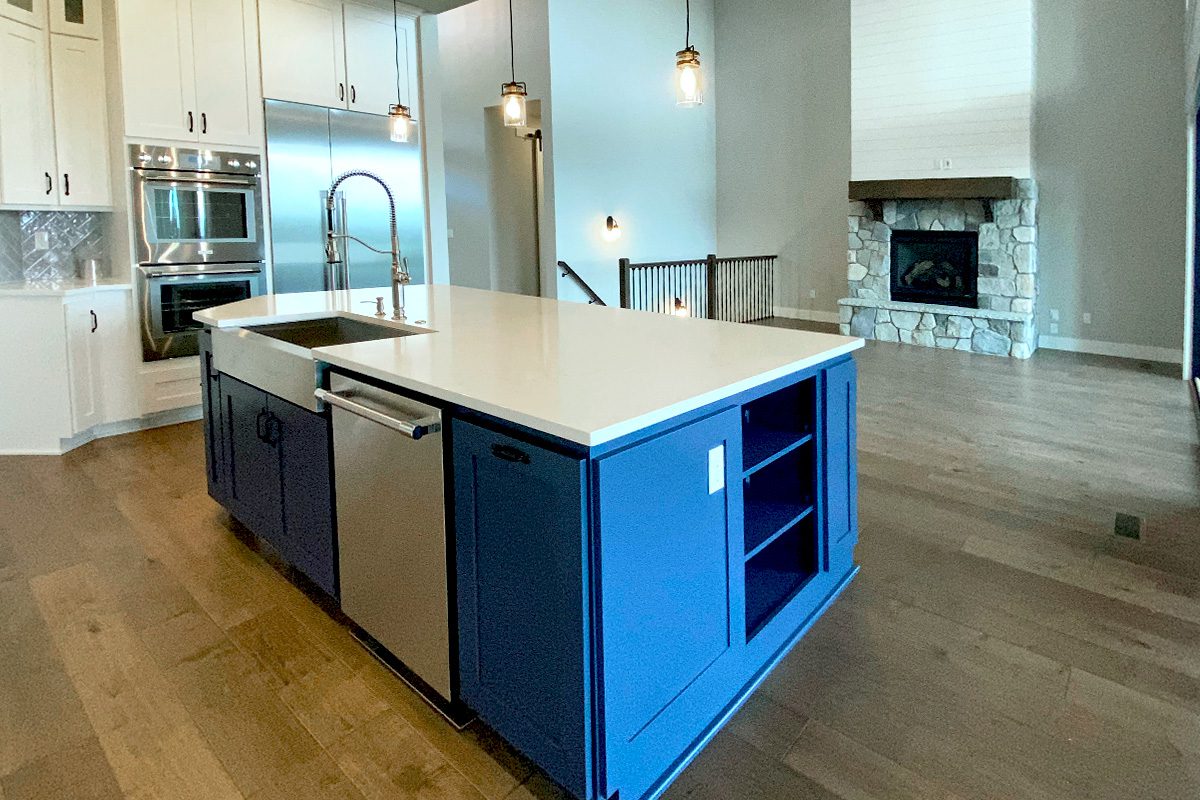
Closeout Records
Final photos
Room-by-room documentation
System locations
Warranty-related details
Owner handoff records
Completed punch list items
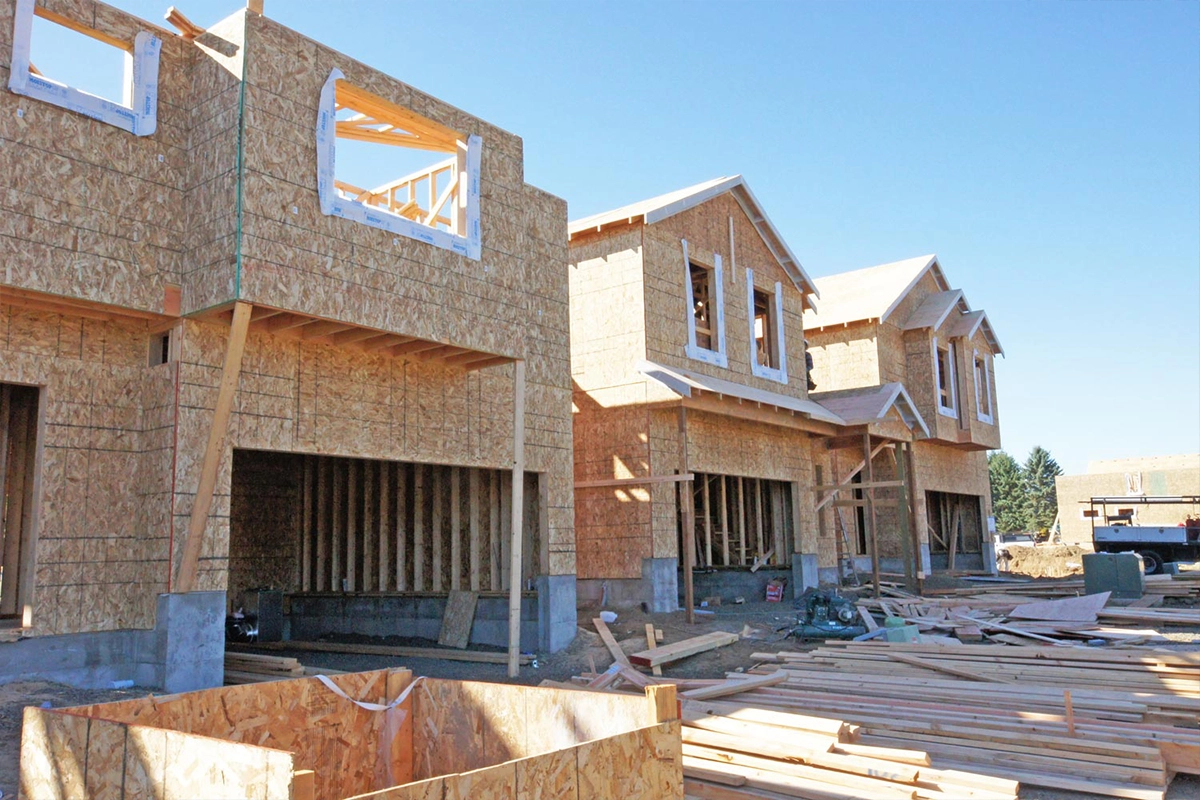
See jobsite photo documentation examples that show how photographs can create a visual record across the life of a project.
When Should Jobsite Documentation Happen?
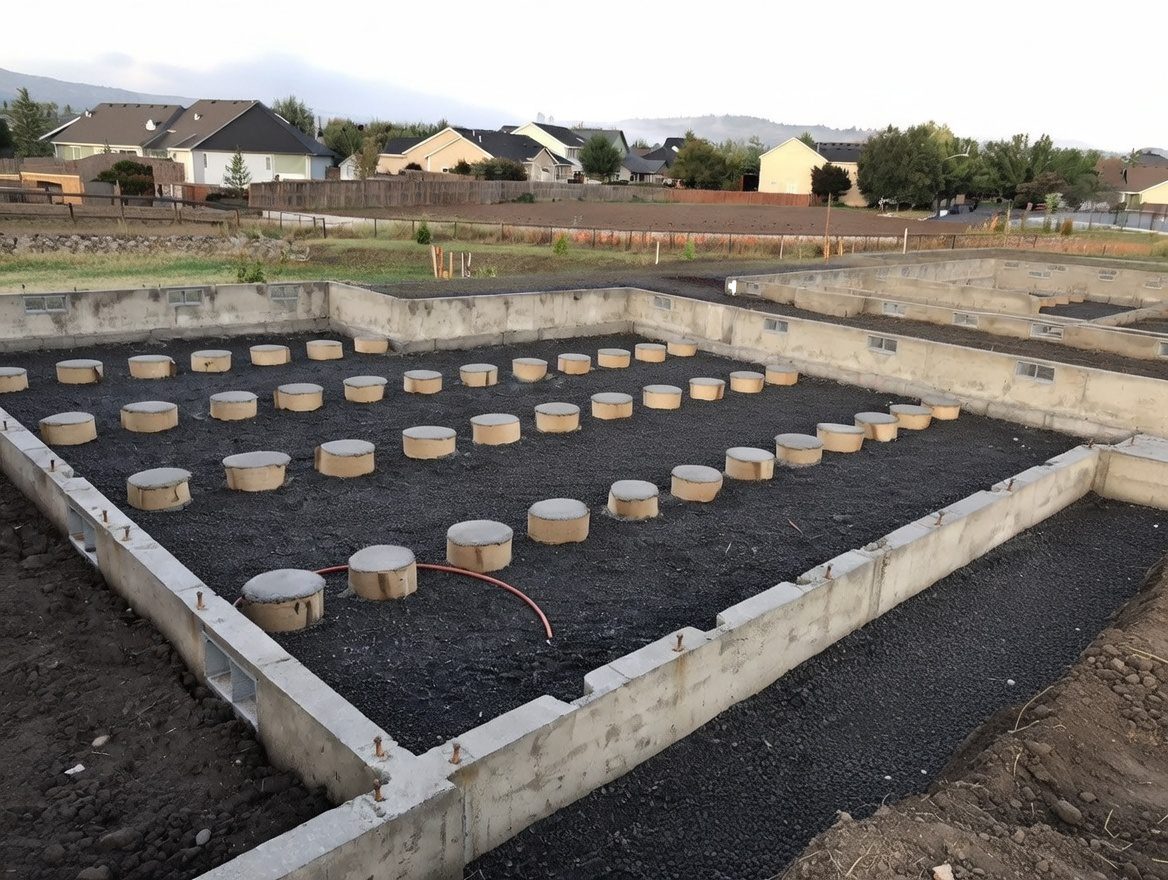
Jobsite documentation works best when it follows the natural rhythm of the project.
Instead of randomly taking photos, construction teams should document key milestones.
Important documentation moments include:
- Before work begins
- After site prep
- Before concrete is poured
- After framing
- After rough-in
- Before insulation
- Before drywall
- After drywall
- During finish work
- At punch list
- Before owner walkthrough
- At project closeout
The most important rule is simple:
Document the work before it gets covered up.
Once drywall, concrete, insulation, flooring, or finishes go in, many important details become difficult or impossible to see.
Who Needs Jobsite Documentation?
Jobsite documentation can help almost every group involved in a construction project.
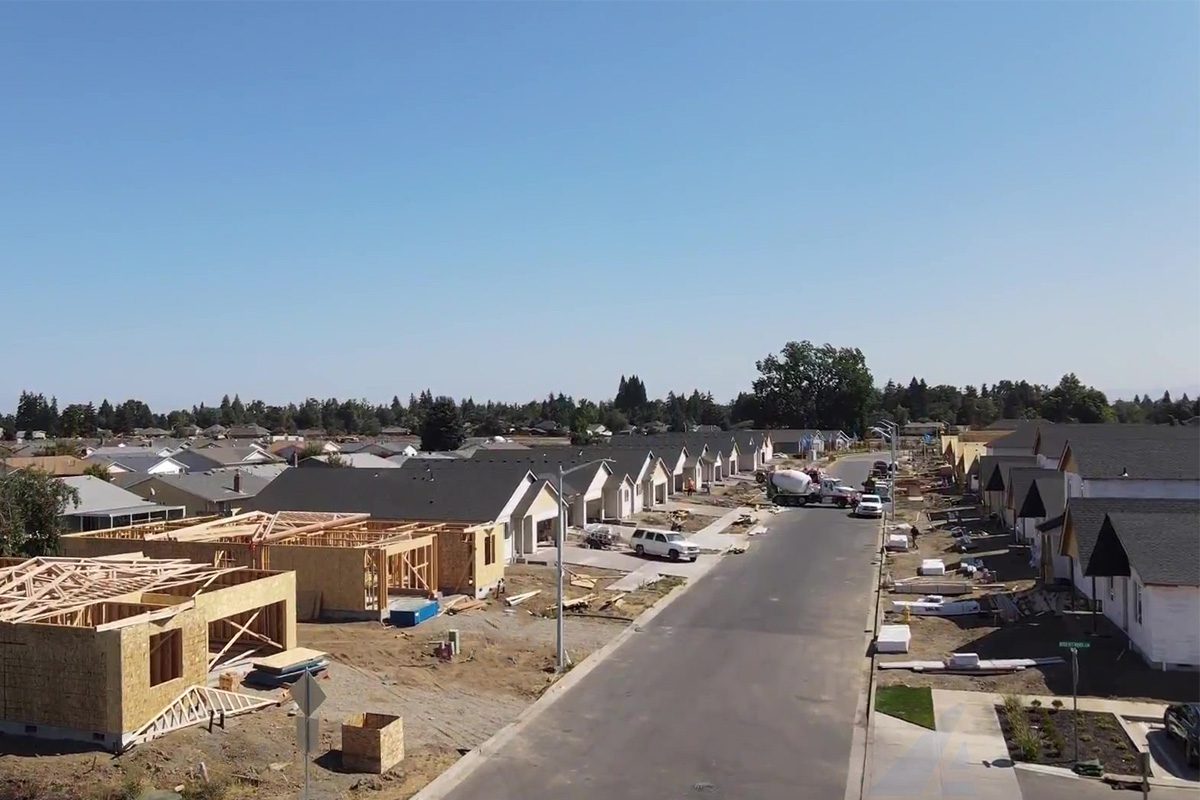
Home Builders
Home builders can use jobsite documentation to keep better records, improve homeowner communication, and document key milestones before the project moves forward.

General Contractors
GCs can use jobsite documentation to track progress, coordinate trades, document issues, and create a clearer project history.
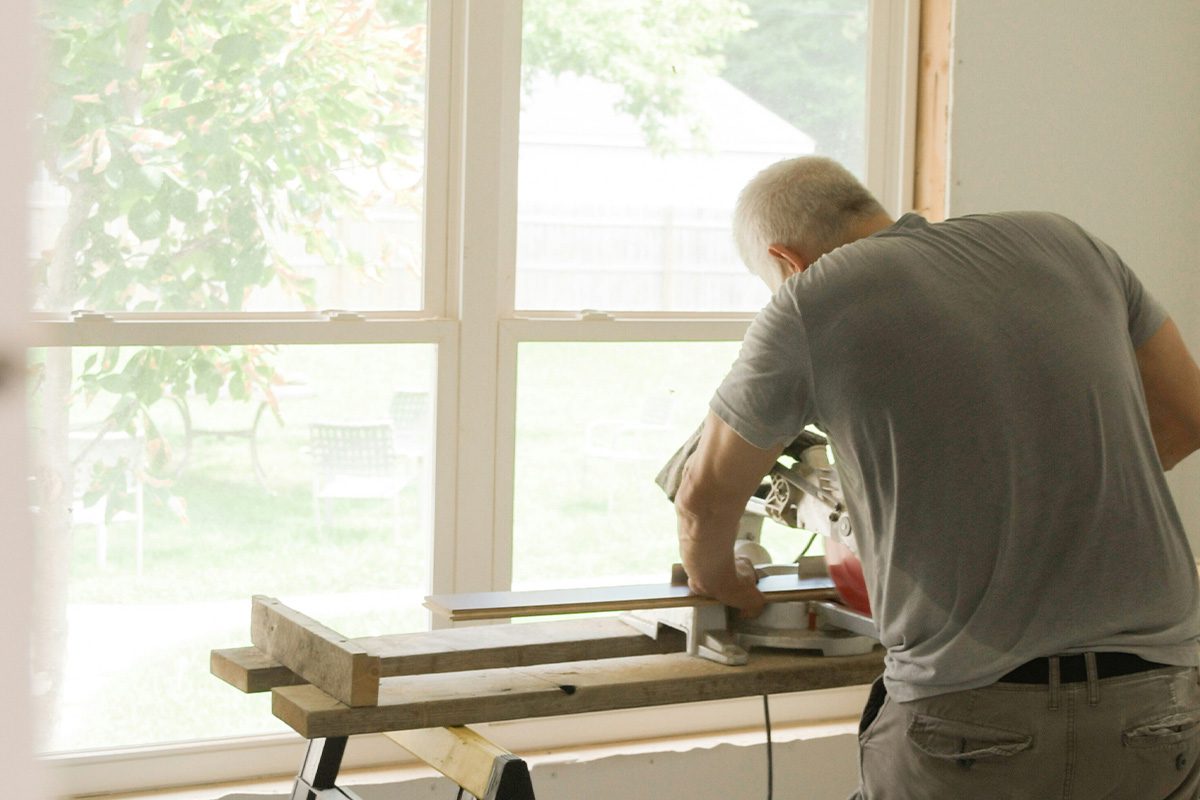
Remodelers
Remodeling projects often involve hidden conditions, changes, and surprises. Documentation helps capture what was found, what changed, and what was completed.
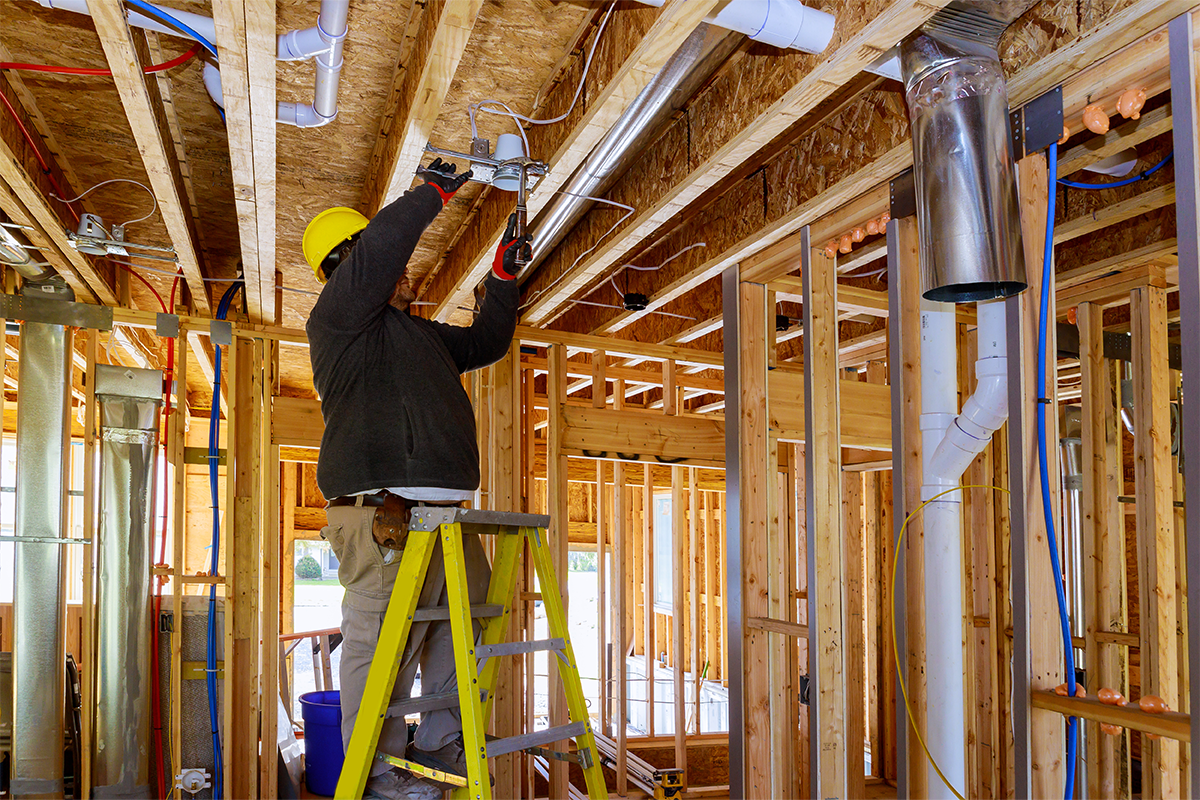
Trade Contractors
Electricians, plumbers, HVAC contractors, low-voltage installers, and other trades can use documentation to show completed work, answer questions, and reduce repeated update requests.
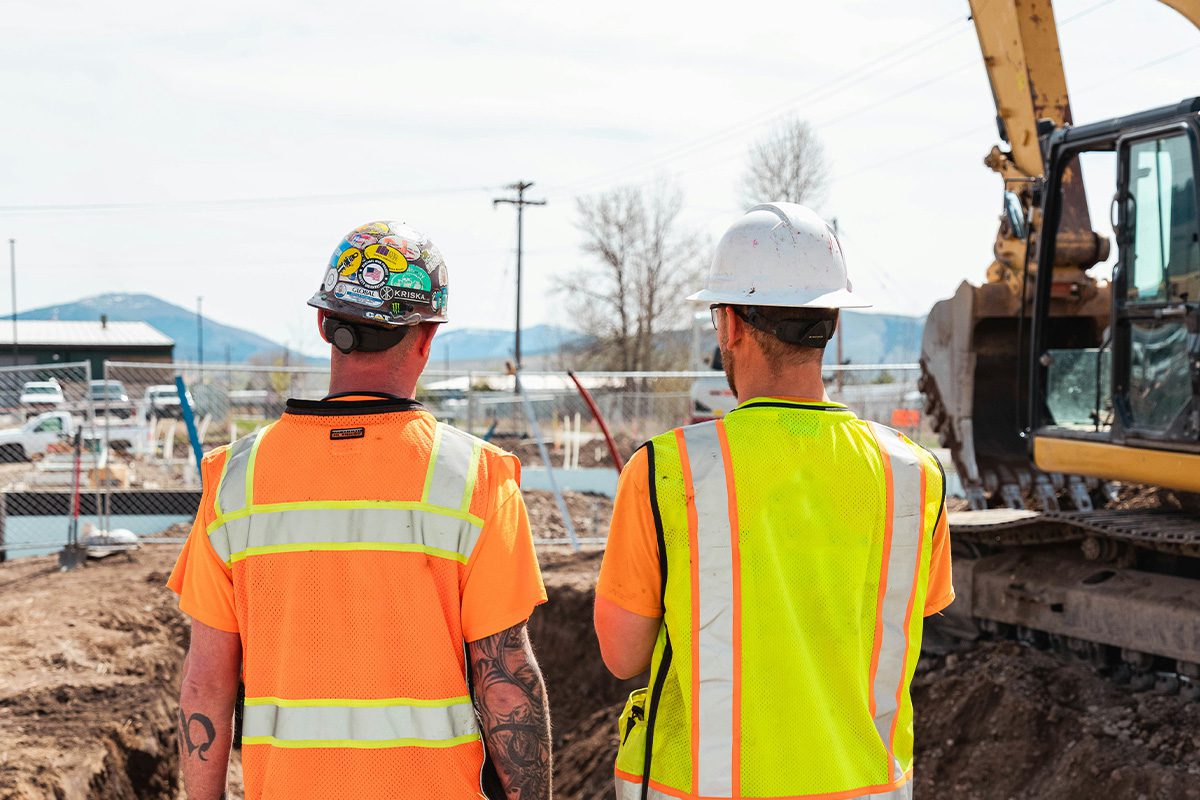
Project Managers and Superintendents
Project leaders can use documentation to monitor progress, review field conditions, communicate with stakeholders, and keep the office aligned with the site.

Owners and Developers
Owners benefit from clearer visibility into project progress, especially when they cannot be on site every day.
Jobsite Documentation Methods and Tools
There are several ways to document a jobsite. The best system often combines multiple methods.
Standard Photos
Photos are the foundation of most jobsite documentation. They help capture progress, issues, and completed work.
But photos need to be organized by project, room, milestone, trade, and date to be useful later.
360 Photos
360 photos help capture entire rooms or spaces instead of isolated angles. They are especially useful for rough-in documentation, pre-drywall walkthroughs, and remote project review.
Field Notes
Field notes explain what happened, what changed, what was completed, and what needs attention. They add context that photos alone cannot always provide.
Annotations
Arrows, circles, boxes, and notes help identify specific details in a photo or 360 view.
Milestone Reports
Milestone reports package key photos, notes, and updates into a cleaner summary that can be shared with owners, clients, office teams, or project stakeholders.
Checklists
Checklists help teams document the right things at the right time, especially during important stages like rough-in and pre-drywall.
How ACTABUILD Helps With Jobsite Documentation

ACTABUILD helps construction teams move from scattered jobsite information to organized project documentation.
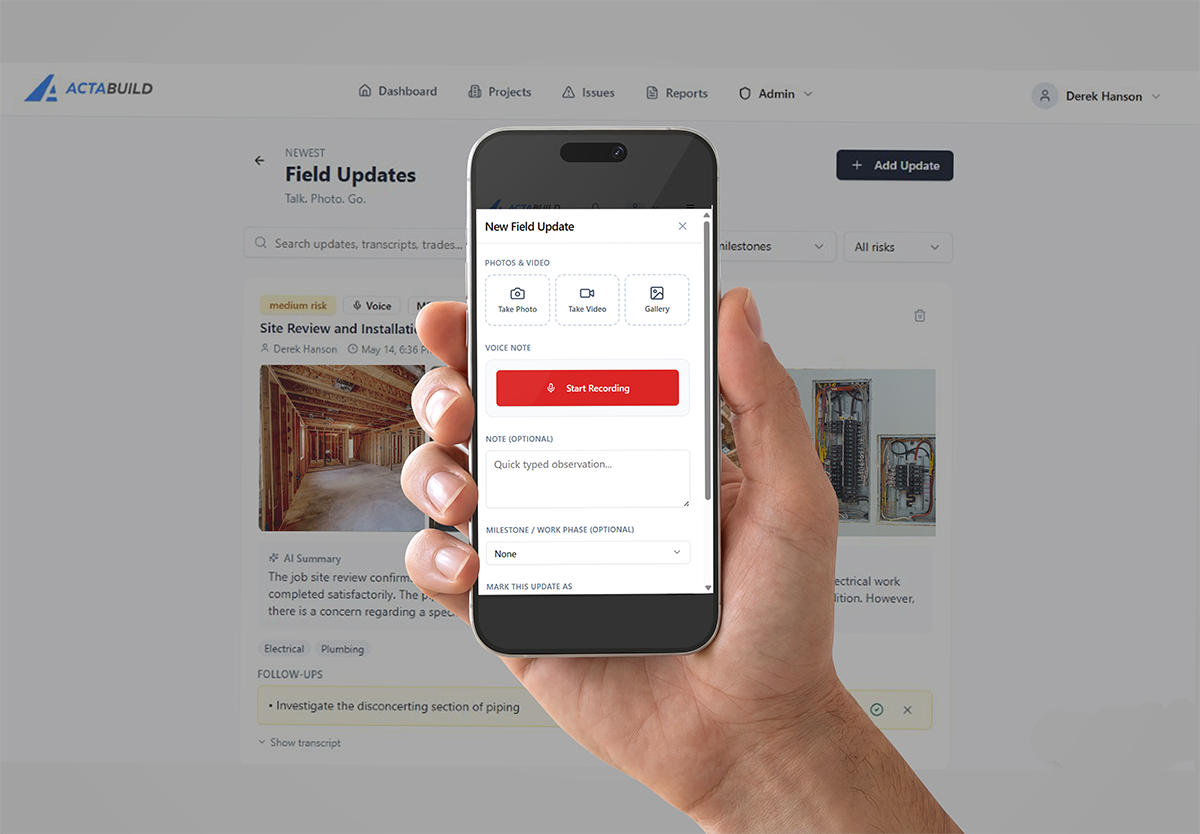
Instead of relying only on text threads, random photo folders, or manual spreadsheet updates, ACTABUILD helps teams capture and organize jobsite information in one place.
With ACTABUILD, you can document:
- Project photos
- 360 walkthroughs
- Field updates
- Room and area details
- Milestone progress
- Issues and observations
- Pre-drywall conditions
- Rough-in work
- Photo reports
- Closeout records
ACTABUILD is built around a simple idea:
The jobsite should be easier to see, easier to understand, and easier to document.
Built for Real Construction Workflows
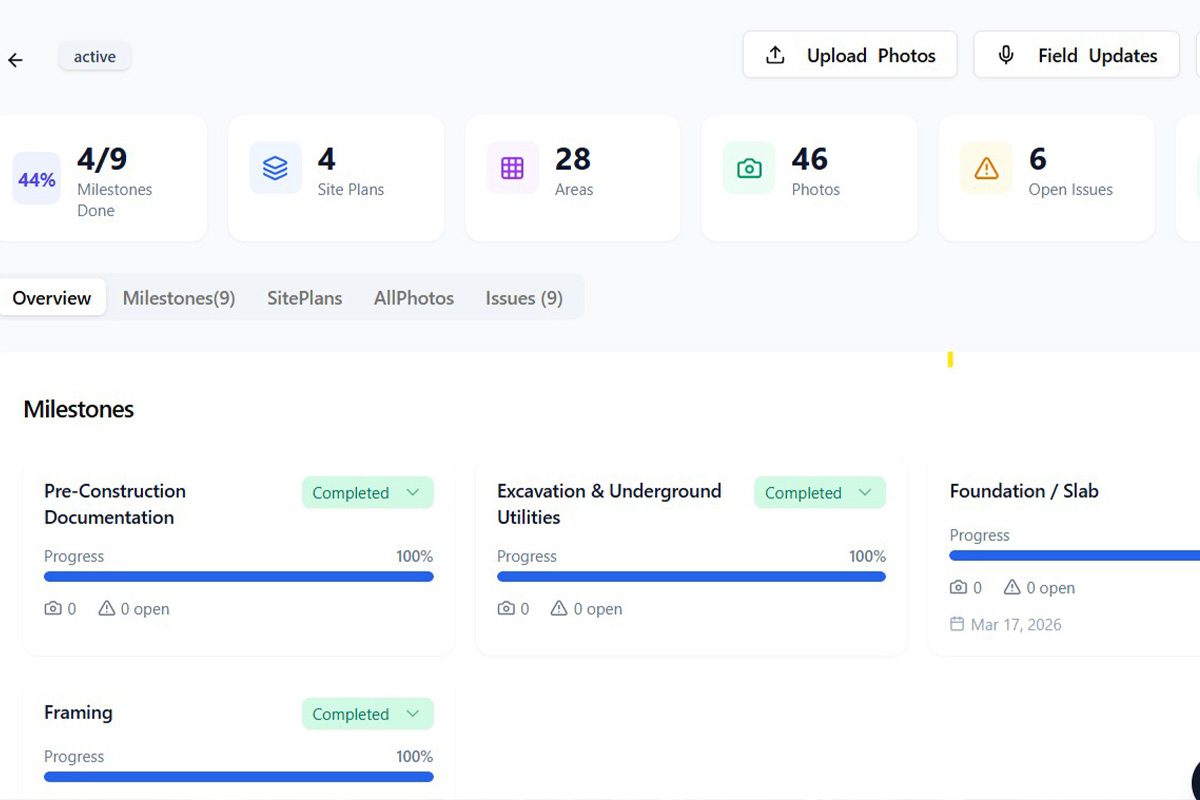
ACTABUILD is designed for the way construction teams actually work.
Field teams do not need more busywork. Owners do not need vague updates. Project managers do not need to dig through endless folders to find one photo.
ACTABUILD helps reduce documentation friction by making it easier to capture the information once and reuse it across the project.
Use ACTABUILD to:
- Capture photos by project and milestone
- Create visual records before work is covered up
- Add context with field notes
- Use 360 photos for better visibility
- Create documentation reports
- Share progress with owners or stakeholders
- Keep project records organized from start to finish
Jobsite Documentation for Home Builders
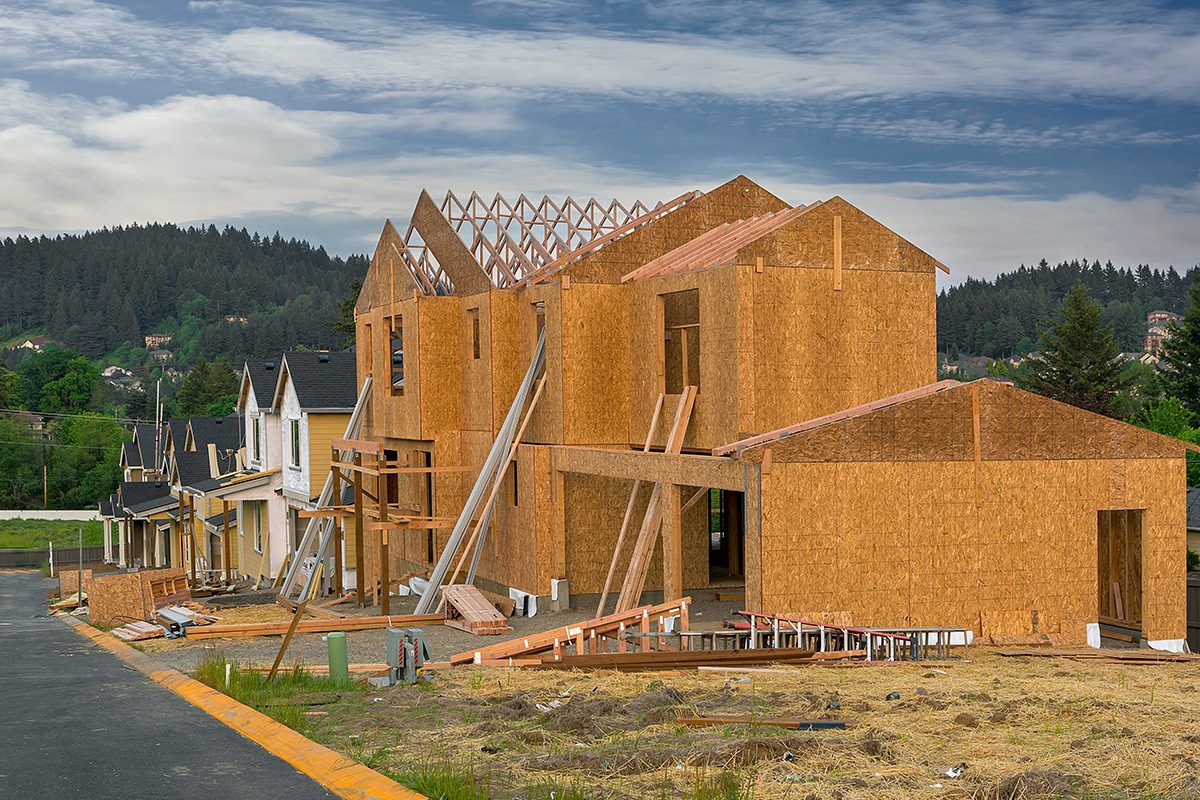
Home builders can use jobsite documentation to improve communication, reduce homeowner uncertainty, and create a stronger project record.
Instead of waiting for homeowners to ask, “What is happening at the house?” builders can use milestone documentation to show progress clearly.
Examples include:
- Foundation updates
- Framing progress
- Rough-in documentation
- Pre-drywall photos
- Insulation updates
- Drywall progress
- Finish updates
- Punch list documentation
- Pre-close records
This helps homeowners feel more informed while giving builders a better record of the work.
Jobsite Documentation for Trades

Trade contractors often get pulled into repeated update requests.
“What got done?”
“Can you send photos?”
“Did your crew finish that area?”
“Where is that line located?”
“Can you update the spreadsheet?”
ACTABUILD helps trades document work in a way that is easier to capture and easier to share.
This is useful for:
Electrical rough-in documentation
Plumbing rough-in documentation
HVAC documentation
Low-voltage documentation
Mechanical documentation
Service and warranty records
The goal is to reduce repetitive updates while making completed work easier to verify.
Done-for-You Jobsite Documentation
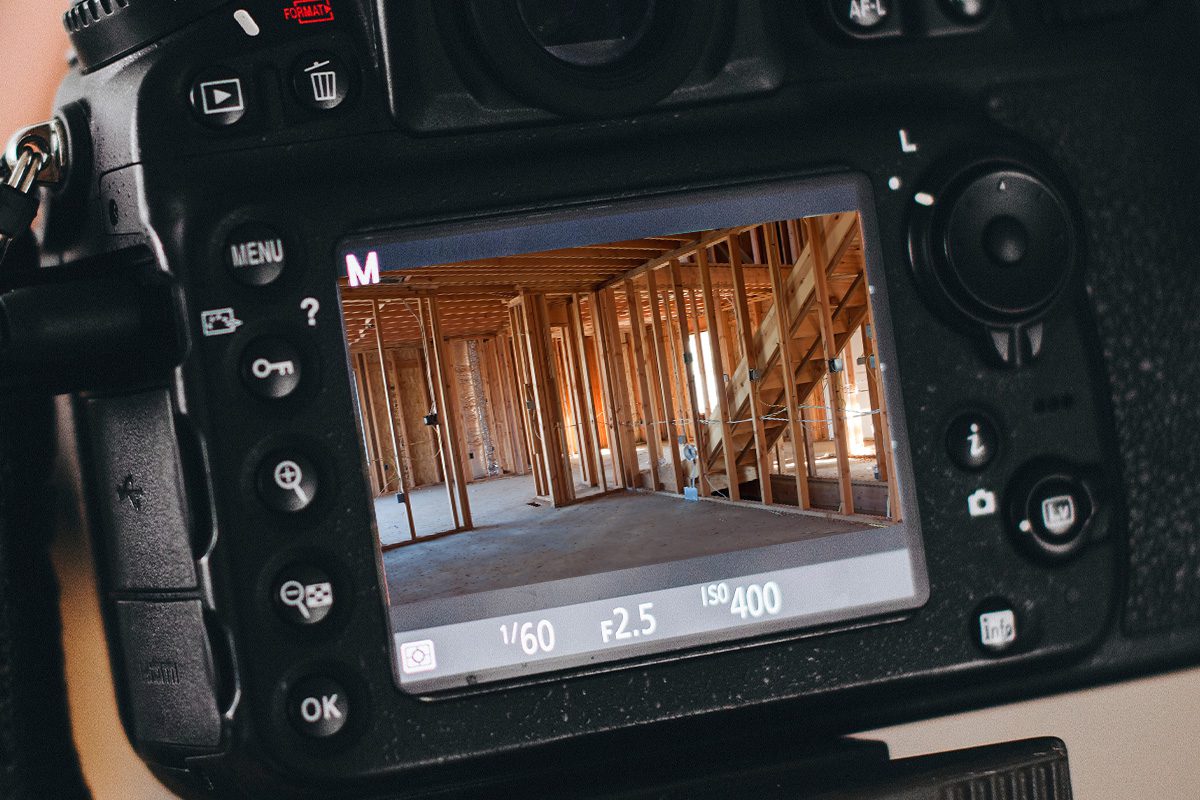
Not every team has the time, staff, or equipment to document every milestone consistently.
ACTABUILD can also help with done-for-you jobsite documentation.
This is ideal for builders, contractors, and project teams that want better documentation without adding more work to their field team.
A done-for-you documentation visit may include:
Interior and exterior photos
360 room documentation
Milestone progress photos
Rough-in or pre-drywall records
Issue documentation
Annotated images
PDF photo reports
Project documentation summaries
Start With the Most Important Milestones
If you are not sure where to begin, start with the stages where documentation has the most long-term value.
The best starting points are:
Pre-drywall documentation
Rough-in photo documentation
360 walkthroughs
Milestone photo reports
Closeout documentation
These are the moments where visual records are most useful later.
Jobsite Documentation Checklist
A good documentation system should answer:
- Are photos organized by project?
- Are photos tied to rooms, areas, or milestones?
- Are important hidden conditions documented before cover-up?
- Can the office find photos without asking the field?
- Can owners receive clear milestone updates?
- Can issues be tracked visually?
- Can reports be generated when needed?
- Can the project record be used after closeout?
If the answer is no, your documentation system may be costing your team time.
Frequently Asked Questions About Jobsite Documentation
What is jobsite documentation?
Jobsite documentation is the process of capturing and organizing important construction project information, including photos, 360 images, field notes, progress updates, issues, and milestone records.
Why is jobsite documentation important?
It helps construction teams create a clear record of what happened on site. This can reduce confusion, improve communication, document hidden work, support warranty questions, and make project information easier to find later.
What should be included in jobsite documentation?
Jobsite documentation may include progress photos, rough-in photos, pre-drywall photos, 360 walkthroughs, field notes, issue tracking, inspection-related records, milestone updates, and closeout reports.
When should construction projects be documented?
Projects should be documented at key milestones, especially before work is covered up. Important stages include site prep, foundation, framing, rough-in, insulation, pre-drywall, drywall, finishes, punch list, and closeout.
Who uses jobsite documentation?
Jobsite documentation is useful for builders, general contractors, remodelers, trades, superintendents, project managers, owners, and developers.
Are regular photos enough?
Photos are important, but they are only useful if they are organized. A strong documentation system connects photos to the right project, date, room, milestone, trade, and context.
How are 360 photos used in jobsite documentation?
360 photos capture a wider view of the jobsite and help teams review rooms, walls, rough-in work, and site conditions remotely. They are especially useful before drywall or finishes cover important details.
Can ACTABUILD document the project for us?
Yes. ACTABUILD can help with both jobsite documentation systems and done-for-you documentation services, depending on the needs of your project.
START DOCUMENTING TODAY
Important project details should not disappear into text threads, forgotten folders, or memory.
Get Help Documenting Your Next Project