
How to Create Reliable Construction Progress Documentation
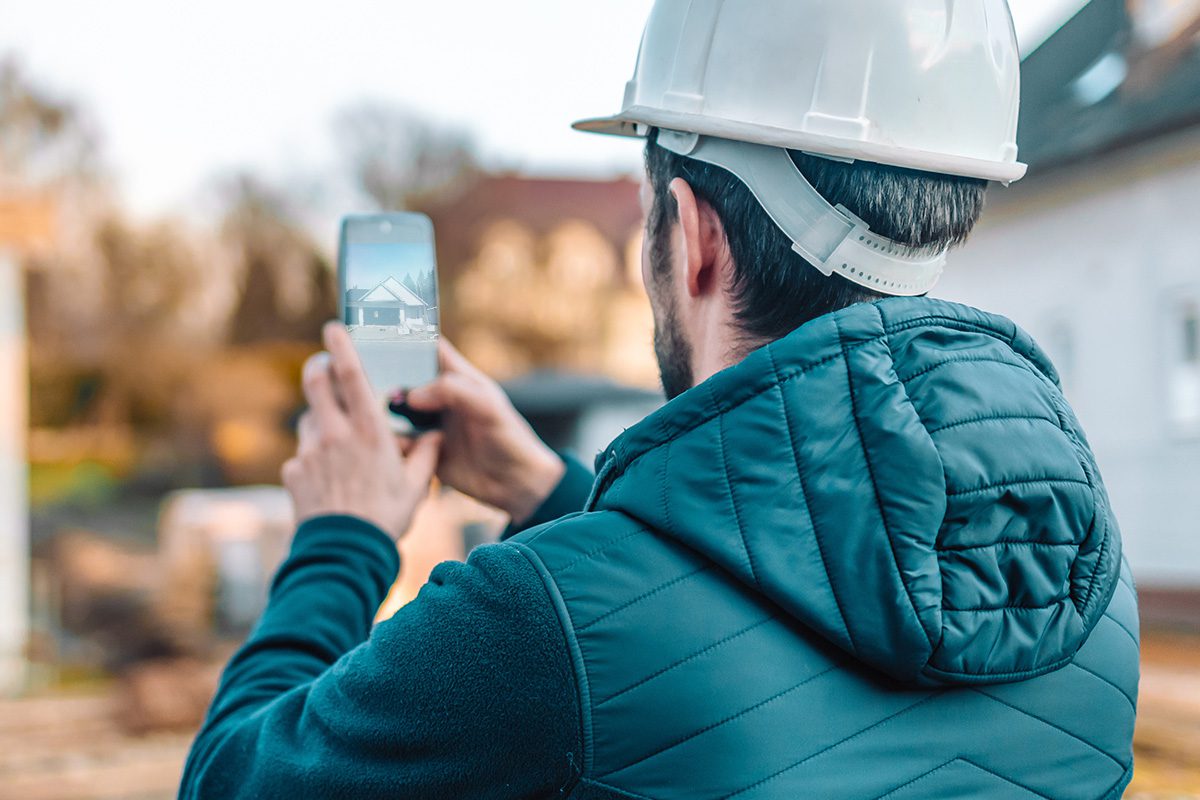
The problem is rarely that no one took a progress photo. It is that weeks or months later, no one can tell exactly where it was taken, what had been completed or why someone thought it mattered. The image exists, but the project context has been lost.
Construction progress documentation turns those individual photos into an understandable project record by connecting each image to its location, date, construction phase and reason for capture. That is the difference between having a collection of jobsite photos and having documentation your team can actually use.
What Is Construction Progress Documentation?
Construction progress documentation is the ongoing record of how work advances from existing conditions through completion. It gives the project team a way to look back at what was present, what was installed, what changed and which issues were addressed along the way.
The record may include:
- Standard construction photographs
- 360-degree jobsite images
- Site plans and photo locations
- Dates and timestamps
- Construction milestones
- Field notes and updates
- Issues and corrective work
- Photo annotations
- Progress reports
- Owner and stakeholder updates
Photos are usually the foundation of the record, but photographs alone are not the complete system.
A folder called “July Progress Photos” may tell someone when the images were collected. It does not necessarily explain which building, floor, room, wall or work activity each image represents. Effective jobsite documentation preserves those connections so the images remain understandable after the immediate site visit.
What Should Be Included in the Progress Record?
The contents of a progress record will vary by project, contract requirements and company procedures. The goal is not to photograph everything indiscriminately. It is to document the conditions and transitions that may be important later.
Existing conditions
Photographs taken before work begins establish a starting point. These may show adjacent structures, access areas, existing finishes, site conditions or portions of a building affected by remodeling work.
The starting record provides a visual reference for evaluating what changed during construction.
Materials and installed work
Deliveries, stored materials and completed installations can be documented as they appear on the jobsite. These photographs become more useful when they are connected to the relevant phase, trade and project location.
Progress records may cover excavation, underground utilities, structural framing, roofing, waterproofing, mechanical systems, electrical work, plumbing, insulation and finishes.
Work that will become concealed
Some of the most valuable opportunities for documentation occur shortly before the work disappears behind concrete, drywall, insulation, flooring or other finishes.
This does not mean every concealed component requires the same level of coverage. The project team should identify which installations, locations and transitions need to remain visible in the record.
For a more focused discussion of this stage, see why pre-drywall photo documentation matters.
Issues and corrective work
When an issue is discovered, a single photograph may show the original condition but not what happened afterward. A more complete record connects the initial observation with its location, description, status and follow-up photographs.
Documenting both the issue and the corrected condition creates a clearer sequence than leaving the images disconnected in separate messages or camera rolls.
Milestones and completion
Major phases give project teams natural documentation points. ACTABUILD’s guide to construction milestones worth documenting provides a more detailed look at these stages.
Finishes, punch-list conditions and final photographs can then complete the record as the project moves toward closeout.
When Should Construction Progress Be Documented?
Progress documentation should happen when something meaningful has occurred—not only when someone remembers to take pictures.
Useful documentation points commonly include:
- Before work begins
- At defined project milestones
- Before work becomes concealed
- When important materials arrive
- When a site condition changes
- When an issue is discovered
- After corrective work is completed
- Before an owner or stakeholder
- During punch-list work
- At substantial completion and closeout
A consistent schedule can help establish the habit, but timing should also follow the work. A weekly visit may miss an underground installation that is exposed for only two days. Milestone-based documentation helps the process respond to what is actually happening on the jobsite.
Teams planning a site visit can use this guide to determine what to capture during a construction milestone visit.
Who Is Responsible for Construction Progress Documentation?
Responsibility varies by company, project and contract requirements, but it should be assigned before work begins. If progress documentation is treated as something everyone can do—but no one specifically owns—it is more likely to become inconsistent.
On many projects, responsibility is shared:
- Project manager or superintendent: Establishes what must be documented, when documentation is required and how records should be organized.
- Field personnel: Capture progress photos and field notes while the work is visible.
- Subcontractors and trade partners: Document their installations, concealed work and completed corrections when required.
- Project administrator or office team: Reviews records, prepares reports and distributes stakeholder updates.
- General contractor or builder: Maintains the overall project documentation process and verifies that important stages have been recorded.
One person should still own the process, even when several people contribute to it. That owner should confirm that documentation is complete, consistently labeled and connected to the correct project location or milestone.
The responsible parties should also be identified in the company’s procedures and any applicable project or contract requirements. Documentation software can make participation easier, but the process still needs clear ownership.
This fits especially well with the article’s main point: a reliable record depends on a defined system, not merely on asking everyone to “take plenty of pictures.”
What Makes a Construction Progress Photo Useful?
A useful progress photograph answers more than “What am I looking at?”
It should also help someone determine:
- Which project it belongs to
- Where it was taken
- When it was captured
- Which milestone or construction phase it represents
- Which trade or work category is shown
- Why the condition was documented
- Whether it relates to an issue or field update
Location might be identified by building, floor, room, unit, zone or position on a site plan. The best method depends on the project, but the naming needs to remain consistent.
“Bedroom 2” and “north bedroom” may make sense to different people while work is underway. Months later, inconsistent names make searching and comparing photographs more difficult.
Wide photographs can establish location and surrounding context. Detail photographs can then show a specific connection, installation or issue. When the subject is not immediately obvious, an arrow, circle or short annotation can help direct attention to the relevant condition.
Camera filenames and timestamps can still be useful, but they rarely preserve all of this information by themselves.
Construction Progress Photography Versus Progress Documentation
Construction progress photography captures the visible condition of the project at a particular moment. It is an essential part of the documentation process.
Progress documentation adds the structure that makes those photographs usable as a project record.
|
Construction progress photography |
Construction progress documentation |
|
Captures the visible condition |
Preserves the condition and its project context |
|
Produces individual images |
Connects images into a project history |
|
Shows what was visible |
Identifies where, when and why it was captured |
|
May be stored by date or folder |
Organizes records by project, location, milestone and issue |
|
Supports visual review |
Supports reporting, communication and follow-up |
The distinction is not photography versus documentation. Photography supplies the visual evidence; documentation preserves its meaning.
How Construction Photo Documentation Supports Progress Reporting
Progress reports become easier to understand when the included photographs are already connected to milestones, locations, field notes and issues.
Instead of searching through several phones or asking someone to resend an image, the team can select photographs from an organized project record. That can support:
- Internal project reviews
- Owner and developer updates
- Homeowner communication
- Lender or stakeholder updates
- Issue follow-up
- Milestone summaries
- Project closeout
The report should fit its audience. A project manager may need detailed information about an unresolved condition, while an owner may need a shorter summary of what changed since the previous update.
ACTABUILD is construction photo documentation software designed to organize photographs around projects, site plans, locations, milestones, issues and field updates. The objective is not simply to store more images. It is to make those images easier to understand, retrieve and include in reports.
If your team is developing its reporting format, review what should be included in a construction photo report.
A Repeatable Construction Progress Documentation Process
A reliable system does not need to make field documentation burdensome. It should give the team a repeatable method that can be followed while work is underway.
1. Define what needs to be documented
Identify important milestones, concealed installations, recurring updates and conditions requiring follow-up. Consider project-specific requirements rather than relying on one universal checklist.
2. Establish consistent project and location names
Determine how buildings, floors, units, rooms and zones will be identified. Use the same terminology across photographs, site plans, field notes and reports.
3. Capture context before details
Begin with a wider view that establishes location and orientation. Follow it with closer photographs showing the installation, material or issue.
This sequence helps someone understand a detail photograph without needing the original photographer to explain it.
4. Connect each record to the work
Assign photographs to the relevant project, location, milestone or trade. If a photograph documents an issue, connect it to the issue record rather than leaving it isolated in the general photo collection.
5. Review the record before work is concealed
Before drywall, concrete, insulation or finishes cover the work, check whether the necessary areas have been captured clearly. Missing coverage is easier to correct while the installation is still visible.
6. Generate and share updates consistently
Choose an appropriate reporting cadence for the project and audience. Use the organized record to prepare updates without rebuilding the project history from scattered sources each time.
These steps can be incorporated into broader construction photo management best practices.
From Project Start to Closeout
Construction progress documentation becomes more valuable as the record develops over time.
Early photographs show where the project began. Milestone records show how major portions of the work advanced. Concealed-condition photographs preserve views that are no longer available. Issue records show what was discovered and how the team responded. Final images complete the visible history.
Together, these records can help the project team understand:
- What was installed
- Where work was located
- What changed during construction
- Which issues were identified
- Whether follow-up photographs were captured
- What the completed project contained
The final record is clearer when organization begins at the start of the project. Sorting photographs at closeout may recover some information, but it is difficult to recreate context that was never recorded.
Build a Progress Record, Not Just a Photo Collection
Reliable construction progress documentation is not about taking the most photographs. It is about creating a project record that another person can understand and use.
That requires a consistent connection between the image, project, location, milestone and reason it was captured. When those connections are established throughout the build, photographs can support clearer updates, faster retrieval and a more complete closeout record.
See how ACTABUILD organizes construction photos, site plans, milestones, issues, field updates and reports into one understandable project history.
Frequently Asked Questions
What is construction progress documentation?
Construction progress documentation is the ongoing record of how a project changes from its starting conditions through completion. It commonly includes progress photographs, locations, dates, construction phases, field notes, issues, corrective work and reports.
Unlike a general photo collection, progress documentation connects each image to the project context needed to understand it later.
How often should construction progress be documented?
Documentation should occur at meaningful project events rather than only at arbitrary intervals. Important times include before work begins, at major milestones, before work becomes concealed, when issues are discovered, after corrective work and during project closeout.
A regular reporting schedule can supplement these events, but it should not replace milestone-based documentation.
What is the difference between construction progress photography and construction photo documentation?
Construction progress photography captures the visible condition of a project at a particular time. Construction photo documentation organizes those images with details such as project, location, date, milestone, trade, issue and field context.
Photography creates the visual material. Documentation turns that material into an understandable project record.